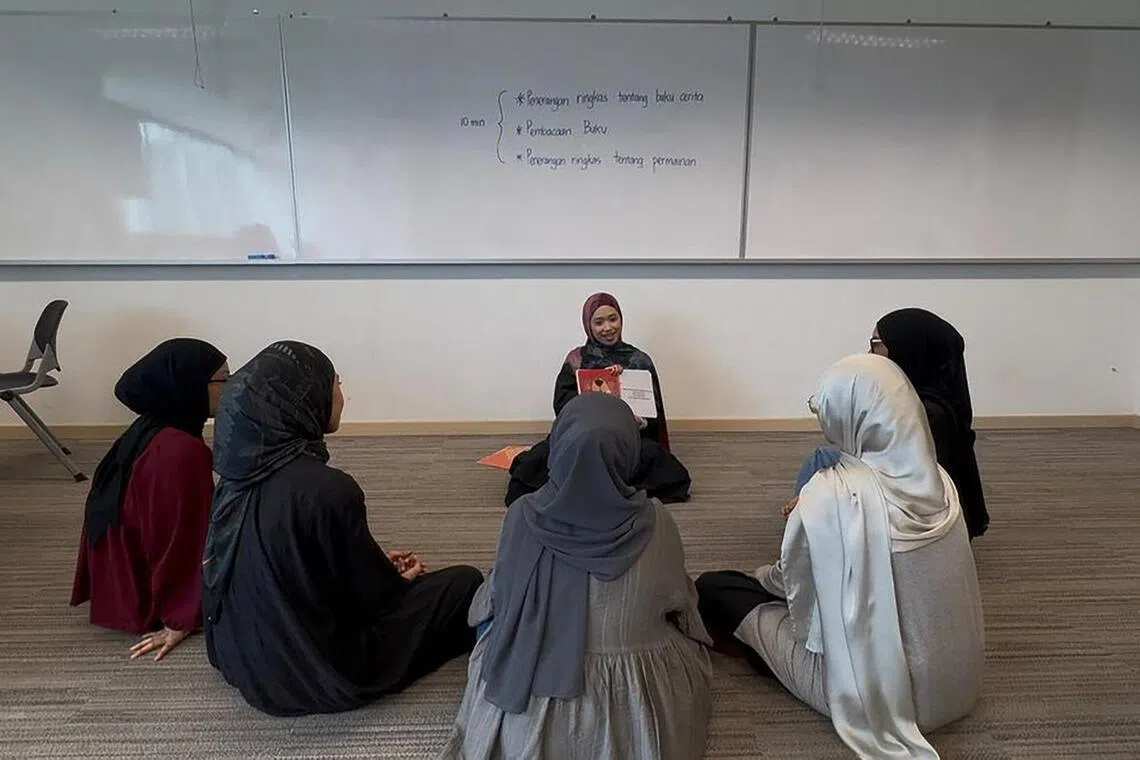
Kindergartens in a specific region have seen a notable increase in the number of educational institutions offering lessons in Chinese, Malay, and Tamil languages, rising from 160 in 2021 to 270 by March 2026. This increase of 70% reflects a growing interest from parents and communities in teaching their children native languages.
This initiative is part of efforts to enhance cultural and linguistic identity, as native languages are considered an essential part of cultural heritage. Teaching these languages at an early age contributes to improving children's communication and social interaction skills.
Details of the Increase
Statistics show that the number of kindergartens offering educational programs in the three languages—Chinese, Malay, and Tamil—has experienced significant growth. This growth reflects the social and cultural changes in the communities where these languages are spoken. There is also an increasing interest from parents in teaching their children their native languages, which contributes to strengthening cultural identity.
Many educational institutions are striving to develop curricula that meet children's needs, making learning more engaging and effective. Additionally, there are training programs for teachers to ensure high-quality education delivery.
Background & Context
Historically, native languages have been considered an important part of cultural identity, and many communities have made efforts to preserve their languages. In recent years, awareness of the importance of teaching native languages has increased, especially in light of globalization, which threatens to reduce linguistic diversity.
Chinese, Malay, and Tamil are significant languages in many countries, spoken by millions of people. Therefore, promoting the teaching of these languages in early childhood is a strategic step toward preserving these languages and ensuring their continuity.
Impact & Consequences
The benefits of teaching native languages go beyond merely enhancing cultural identity. Teaching children their native languages contributes to improving their overall language skills, positively affecting their academic performance. Studies indicate that children who learn two or more languages at an early age have better critical thinking and problem-solving abilities.
Moreover, this trend fosters understanding and communication between different cultures, contributing to building more cohesive and diverse communities. There are also positive economic impacts, as individuals who speak multiple languages are more competitive in the job market.
Regional Significance
In the Arab region, this experience could serve as a model. Many Arab countries are experiencing a decline in the use of local languages, highlighting the need to enhance the teaching of native languages in schools. This step can contribute to strengthening cultural and linguistic identity and improving children's communication skills.
Furthermore, enhancing language education in early childhood can open new avenues for cultural and economic cooperation between Arab countries and those that speak these languages, contributing to strengthening cultural and economic ties.
In conclusion, the increase in kindergartens offering lessons in Chinese, Malay, and Tamil represents a positive step toward enhancing cultural and linguistic identity. It is important for Arab communities to benefit from this experience to promote their languages and cultures, contributing to building a better future for children.