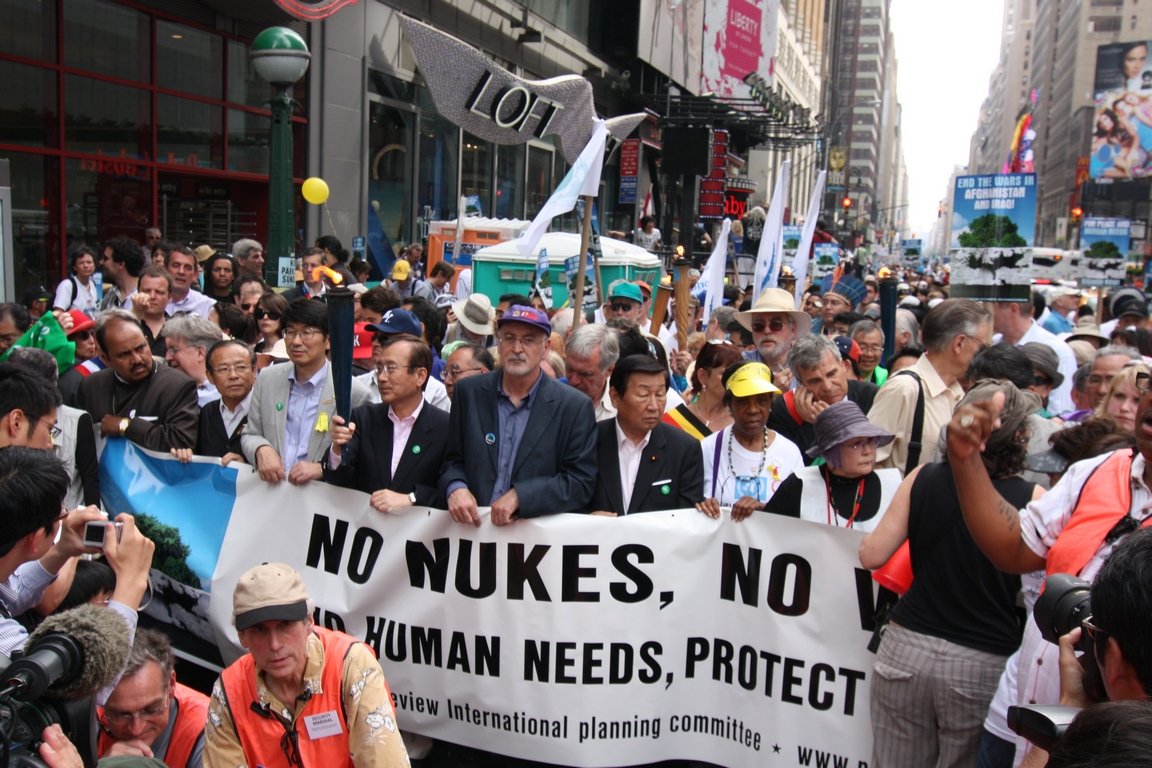
The eleventh review conference of the Nuclear Non-Proliferation Treaty (NPT) kicks off today in New York City, held every five years. This conference comes at a highly sensitive time, as concerns grow regarding the treaty's effectiveness in addressing current geopolitical challenges, particularly amid escalating conflict between the United States and Iran, as well as tensions with Israel.
The Nuclear Non-Proliferation Treaty is considered one of the most important international agreements aimed at preventing the spread of nuclear weapons and promoting cooperation in the peaceful use of nuclear energy. However, recent years have seen a deterioration of trust among member states, raising questions about the future of this treaty.
Event Details
The conference will last for one week, during which representatives from member states will gather to discuss the current challenges facing the treaty. Discussions are expected to address issues related to nuclear programs in countries such as Iran and North Korea, as well as nuclear disarmament in conflict regions.
Reports indicate that major powers, including the United States and Russia, may struggle to reach consensus on how to address these issues. At the same time, developing countries express concern that focusing on nuclear weapons may hinder sustainable development efforts.
Background & Context
The roots of the Nuclear Non-Proliferation Treaty date back to 1968, when it was signed with the aim of preventing the spread of nuclear weapons and enhancing cooperation in the peaceful use of nuclear energy. Since then, the treaty has become a cornerstone of international efforts to reduce nuclear armament.
However, recent years have witnessed an increase in tensions between nuclear and non-nuclear states. Conflicts in the Middle East, particularly the Iranian dispute, have complicated the situation, leading to a breakdown of trust among treaty member states.
Impact & Consequences
The effectiveness of the Nuclear Non-Proliferation Treaty is vital for international security, as any collapse of this treaty could lead to a new nuclear arms race. Furthermore, the inability to reach consensus during the conference may bolster the position of countries seeking to develop their own nuclear programs, increasing the risks of military escalation.
Concerns are growing that instability in the Middle East could have negative repercussions on both regional and international security. If tensions persist, some countries may turn to developing nuclear programs as a means to enhance their national security.
Regional Significance
Arab countries are considered a crucial part of the nuclear equation in the region, with many nations seeking to develop nuclear programs for peaceful purposes. However, existing tensions may heighten fears of nuclear weapons proliferation in the area.
Arab states must work to enhance cooperation in nuclear disarmament and adopt clear policies regarding the peaceful use of nuclear energy to ensure that security situations in the region do not worsen.
The Nuclear Non-Proliferation Treaty Review Conference represents a critical opportunity for member states to reassess their commitments and strengthen cooperation towards achieving a world free of nuclear weapons. In light of current challenges, the international community must work collectively to ensure the sustainability of this treaty.