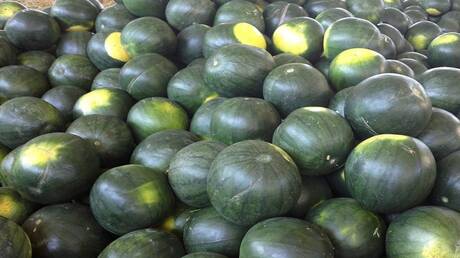
Mohamed Ali Fahim, head of the Climate Change Information Center at the Agricultural Research Center, has denied circulating rumors regarding the presence of 'cancerous watermelon' in Egyptian markets, stating that these claims lack any scientific basis. These statements come amid the seasonal recurrence of rumors that raise concerns among citizens.
In press statements, Fahim confirmed that the watermelon available in markets is safe for consumption, and there is no scientific evidence proving the existence of watermelon containing carcinogenic substances. He explained that these rumors often emerge during specific seasons, causing unwarranted fears among consumers.
Details of the Incident
Every year, especially during the summer, rumors arise about contaminated or carcinogenic food products, with watermelon being one of the fruits most affected by these rumors. These claims have raised concerns among many citizens, prompting them to refrain from purchasing this popular summer fruit.
Fahim pointed out that the Ministry of Agriculture and relevant authorities conduct regular inspections of agricultural crops, including watermelon, to ensure their safety. He confirmed that any agricultural product that does not pass these inspections will not be allowed into the markets.
Background & Context
Historically, Egypt has faced numerous crises related to food safety, with previous cases of contamination in certain agricultural products. These crises have led to increased public awareness regarding the importance of agricultural inspections and ensuring product safety. However, the rumors circulating about certain products, such as watermelon, negatively impact the trust between consumers and producers.
The rumors about 'cancerous watermelon' are part of a broader phenomenon concerning food safety in the region, where concerns about contamination and chemicals in agricultural products are on the rise. This reflects the need for more transparency and accurate information regarding food products.
Impact & Consequences
Rumors regarding the safety of food products can lead to negative impacts on the economy, as demand for agricultural products may decline, affecting farmers and traders. Additionally, these rumors may result in a loss of trust in local products, opening the door for imported goods.
In this context, it is crucial for the government and relevant authorities to enhance transparency and provide accurate information to consumers to build trust in local products. The media should also play a role in correcting misinformation and educating the public about the importance of agricultural inspections.
Regional Significance
Food safety issues are a significant concern across the Arab region, where many countries face similar challenges related to rumors about food products. Building trust in local products is vital for ensuring food security and economic stability.
Arab countries need to collaborate in sharing information and experiences regarding food safety to address common challenges and strengthen trust between consumers and producers.
In conclusion, it requires joint efforts from all stakeholders to ensure the safety of food products and enhance trust between consumers and producers. Accurate and transparent information should be the foundation in combating rumors that may negatively affect food security.