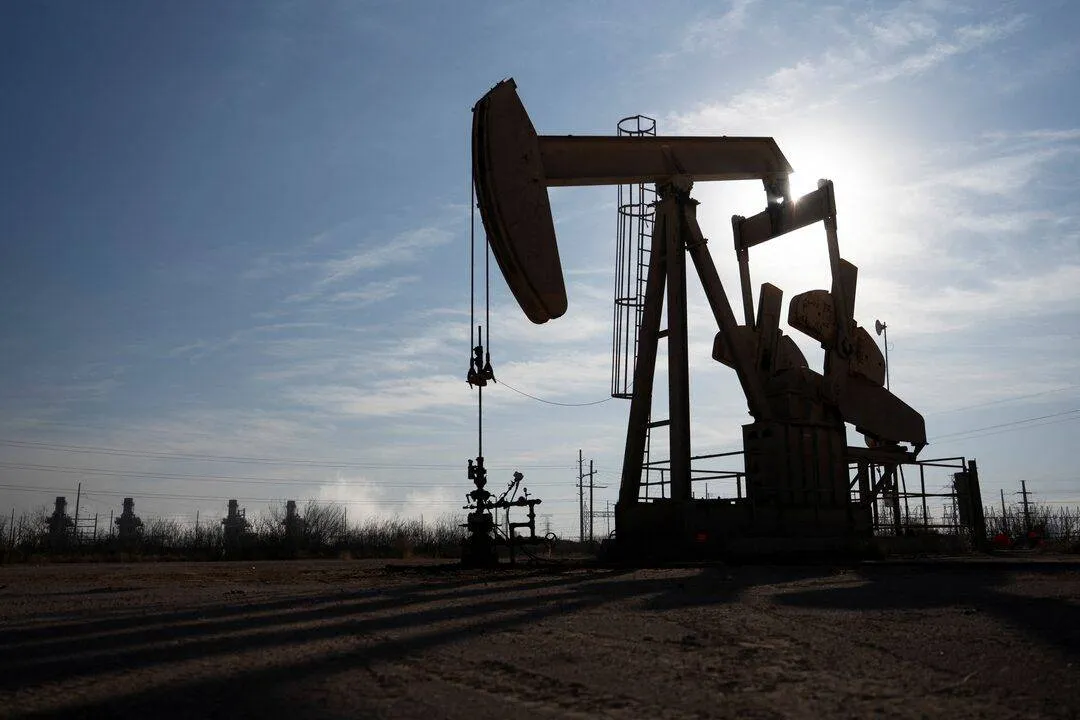
Oil prices rose by more than 2% on Wednesday, continuing gains from the previous session, as hostilities in the Middle East renewed and progress in negotiations between Washington and Tehran diminished.
Brent crude futures recorded a rise of 2.4%, reaching $98.30 per barrel at 08:41 GMT, while West Texas Intermediate crude increased by 2.5% to $96.10.
Details of the Event
This price increase follows Brent crude and West Texas Intermediate reaching their highest levels since May 27 and May 22, respectively, amid escalating hostilities between the U.S. and Iran. Tom Baker, managing director of Vitol, a global commodity trading company, noted that the global oil market may underestimate some risks associated with the Iranian conflict, even as the struggle enters its fourth month.
The International Energy Agency's warning that global oil inventories could reach critical levels before the summer demand peak has also bolstered optimism among traders. According to market sources, U.S. crude oil inventories fell for the seventh consecutive week, decreasing by 6.8 million barrels in the week ending May 29.
Background & Context
The relationship between the U.S. and Iran is a key focal point in global oil markets. Since Washington's withdrawal from the Iranian nuclear deal in 2018, the region has experienced heightened tensions, significantly impacting oil prices. Any negative developments in negotiations between the two parties could increase market risks.
At the same time, experts indicate that the International Energy Agency's warnings reflect a genuine concern regarding market balance, especially with rising oil demand in the summer. The decline in inventories could lead to further price increases, affecting the global economy.
Impact & Consequences
As prices continue to rise, economies that heavily rely on oil are likely to be affected, potentially leading to increased inflation in some countries. Additionally, rising prices may impact the plans of oil-importing nations, posing greater challenges in managing their budgets.
Furthermore, the ongoing increase in oil prices may prompt a reassessment of energy strategies in many countries, pushing them to seek alternative energy sources or enhance investments in renewable energy.
Regional Significance
Arab oil-producing countries, such as Saudi Arabia and the UAE, stand to benefit from rising prices, which could lead to increased oil revenues. However, oil-importing nations in the region may face economic challenges due to the price hikes.
Ultimately, the situation in the Middle East and its impact on oil markets remains a vital topic that requires close monitoring, as any escalation in tensions could directly reflect on prices.