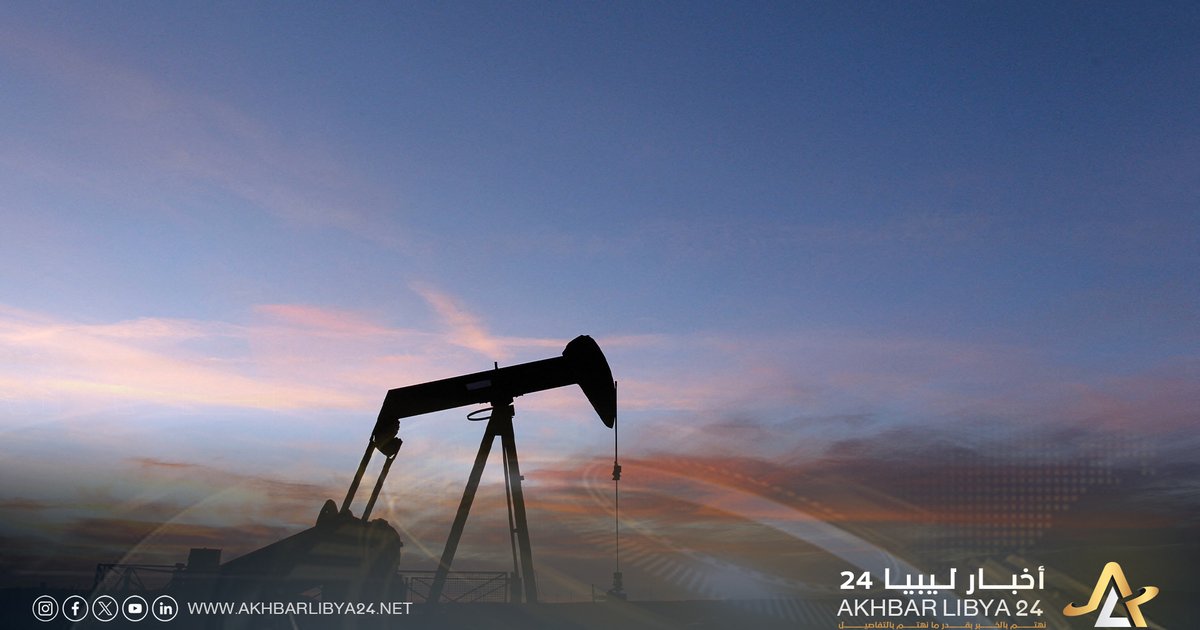
Oil prices have notably declined in global markets after reports indicated that the United States is seeking to end the ongoing war with Iran. This news has overshadowed information regarding the deployment of additional U.S. troops to the region, reflecting a potential shift in U.S. policy towards the Iranian conflict.
According to reports, U.S. diplomatic moves may include direct talks with Iranian officials, which could pave the way for easing tensions that have persisted for years. This development comes at a sensitive time, as fears of escalating military conflict in the Middle East are on the rise.
Details of the Event
Oil prices have dropped by as much as 2%, with crude oil futures falling to levels not seen in several months. This decline follows a period during which prices had significantly increased due to concerns over escalating conflict in the region. However, news of U.S. diplomatic efforts has rekindled some hope for stability in the markets.
The United States is looking to reassess its strategy in the Middle East, having recently sent more troops to the region as part of its response to Iranian threats. Nevertheless, the current diplomatic moves indicate a desire to reduce military escalation and seek peaceful solutions to the conflict.
Background & Context
Historically, relations between the United States and Iran have been tense since the Islamic Revolution in 1979. These relations have seen significant escalation in recent years, particularly following the U.S. withdrawal from the Iranian nuclear deal in 2018. Since then, the U.S. has imposed stringent economic sanctions on Iran, exacerbating the country’s economic conditions and increasing military tensions in the region.
In recent years, the region has witnessed a rise in armed conflicts, with Iran supporting armed groups in Iraq, Syria, and Lebanon, further heightening tensions with the U.S. and its allies. However, the current diplomatic moves may indicate a possibility for progress towards easing these tensions.
Impact & Consequences
If U.S. diplomatic efforts succeed in ending the conflict with Iran, it could lead to stabilization of oil prices in global markets, which would positively impact the global economy. Additionally, easing military tensions could contribute to improving security conditions in the Middle East, which has been plagued by ongoing conflicts.
However, there are concerns that any failure in these efforts could lead to greater escalation in the conflict, negatively affecting oil prices and increasing instability in the region. Therefore, observers are closely monitoring the current diplomatic developments.
Regional Significance
The Arab region is one of the most affected areas by the conflict between the United States and Iran. Ongoing tensions impact security and stability in countries such as Iraq, Syria, and Lebanon. If the United States can make progress in its diplomatic efforts, it may help improve security conditions in these countries and reduce the influence of Iran-backed armed groups.
In conclusion, the situation in the region remains volatile, and the future of U.S.-Iran relations depends on the success of current diplomatic efforts. Achieving peace and stability in the region requires international cooperation and ongoing efforts from all parties involved.