Oil prices have recorded a decline of 1% following reports that the United States is preparing to end the ongoing conflict in Iran. This development comes at a sensitive time for global markets, as oil-producing countries seek to stabilize prices amid increasing geopolitical fluctuations.
Recent reports suggest that the U.S. administration may take steps to ease tensions with Iran, which could lead to an increase in oil supplies from this country, one of the largest oil producers in the world. This situation could directly affect global oil prices, which have experienced notable fluctuations recently.
Details of the Event
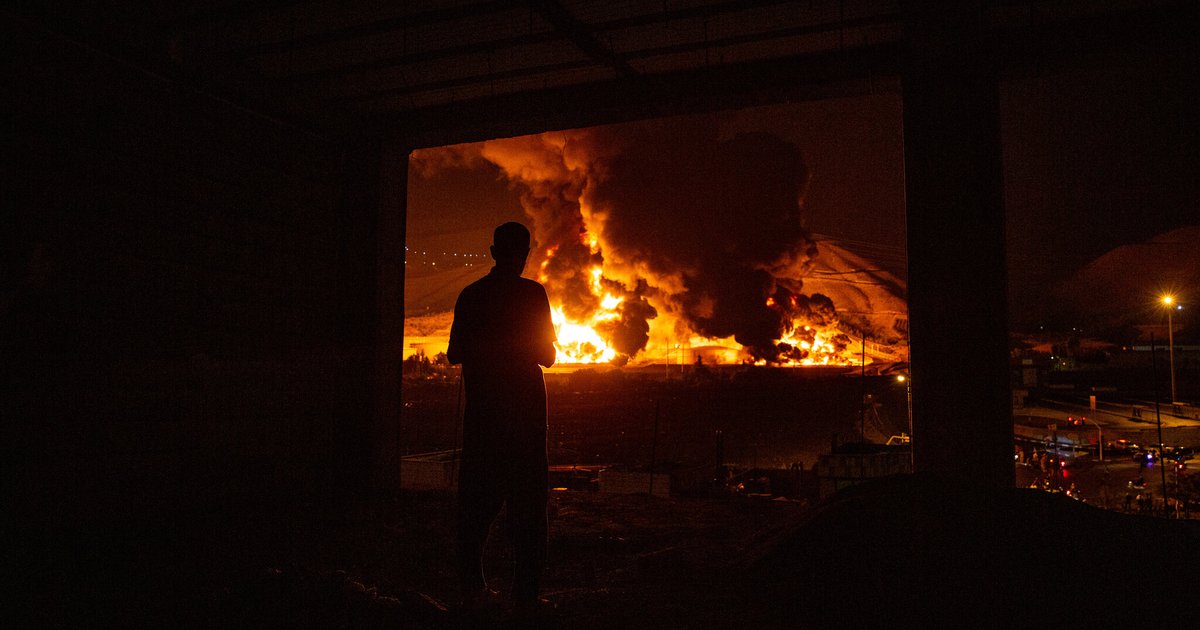
Earlier, oil prices had seen a significant increase due to fears of escalating tensions in the Middle East, particularly following attacks on oil facilities in the region. However, the recent reports regarding the U.S. readiness to end the Iranian conflict have restored balance to the markets, leading to a decrease in prices.
Iran is considered one of the key countries in the OPEC organization, and any changes in its oil policy could significantly impact the global market. If the conflict is resolved, this could lead to an increase in Iranian oil production, potentially resulting in further price declines.
Background & Context
Over the past few years, relations between the United States and Iran have been extremely tense, especially after the previous U.S. administration withdrew from the nuclear agreement in 2018. This withdrawal led to the imposition of severe economic sanctions on Iran, significantly affecting its economy and oil production.
In recent years, oil prices have experienced considerable volatility due to these tensions, as markets react to any news related to the conflict in the region. However, any improvement in U.S.-Iran relations could lead to greater stability in oil prices.
Impact & Consequences
If the Iranian conflict is resolved, it could lead to a significant increase in oil supplies, which may notably affect global prices. This situation could have direct implications for oil-importing countries, especially in the Arab region, which heavily relies on energy supplies.
Moreover, stabilizing oil prices could improve economic conditions in many oil-producing countries, enhancing their investments and increasing their capacity to face economic challenges.
Regional Significance
Arab oil-producing countries are among the most affected by fluctuations in oil prices. Any decrease in prices resulting from increased Iranian supplies could impact the budgets of these countries, potentially leading to reduced public spending and negative effects on economic development.
Conversely, price stability could provide an opportunity for Arab countries to enhance their investments in sustainable development projects, contributing to long-term economic growth.
In conclusion, the situation in the region remains volatile, as much depends on how U.S.-Iran relations evolve. Any changes in this context could have far-reaching effects on global oil markets and Arab economies.