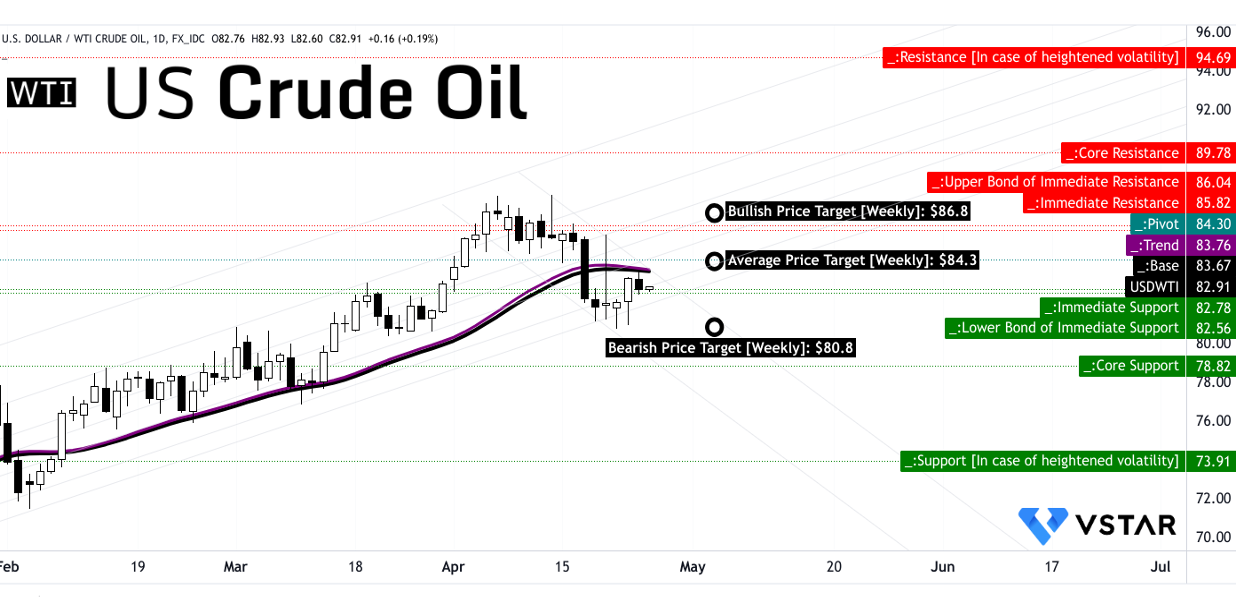
Economic expert Dmitriev anticipates a notable increase in oil prices that may surpass $150 per barrel over the next two weeks, which could significantly impact the global economy.
This prediction arises at a sensitive time, as geopolitical tensions in major oil-producing areas are escalating, contributing to increased pressure on prices. The oil markets have already experienced substantial volatility due to recent events.
Details of the Forecast
Dmitriev reported that factors influencing oil prices include rising global demand, particularly from developing countries, alongside production cuts by certain producing nations. He also noted that political crises in some oil-producing countries could lead to further market disruptions.
He added that this anticipated price increase could have negative effects on the global economy, as it would lead to higher transportation and energy costs, which may be reflected in the prices of goods and services.
Background & Context
Historically, oil prices have experienced significant fluctuations due to political and economic crises. For instance, in 2008, prices surged dramatically before facing a sharp decline. These dynamics remind us of the importance of monitoring geopolitical events and their impact on markets.
Oil prices are considered a key economic indicator that affects various sectors, including transportation and industry. Therefore, any significant changes in prices could lead to widespread repercussions on the global economy.
Impact & Consequences
If Dmitriev's prediction holds true, an increase in oil prices to $150 could lead to rising inflation in many countries, placing additional pressure on governments. This surge may also affect the budgets of oil-importing nations, potentially resulting in reduced public spending.
On the other hand, oil-producing countries may benefit from this increase, as it would boost their revenues. However, reliance on high oil prices could be perilous in the long term, as it may lead to economic instability.
Regional Significance
In the Arab region, oil is a primary source of revenue. Thus, any price increase could enhance the budgets of producing countries like Saudi Arabia and the UAE. Conversely, oil-importing nations such as Egypt and Jordan may face greater economic challenges due to rising prices.
These dynamics are crucial for understanding how oil prices affect economic stability in the region and how they may influence economic and social policies.
In light of the expectations for rising oil prices, the question remains how markets and countries will respond to this challenge. Monitoring developments in this area will be essential for understanding the potential impacts on the global economy.