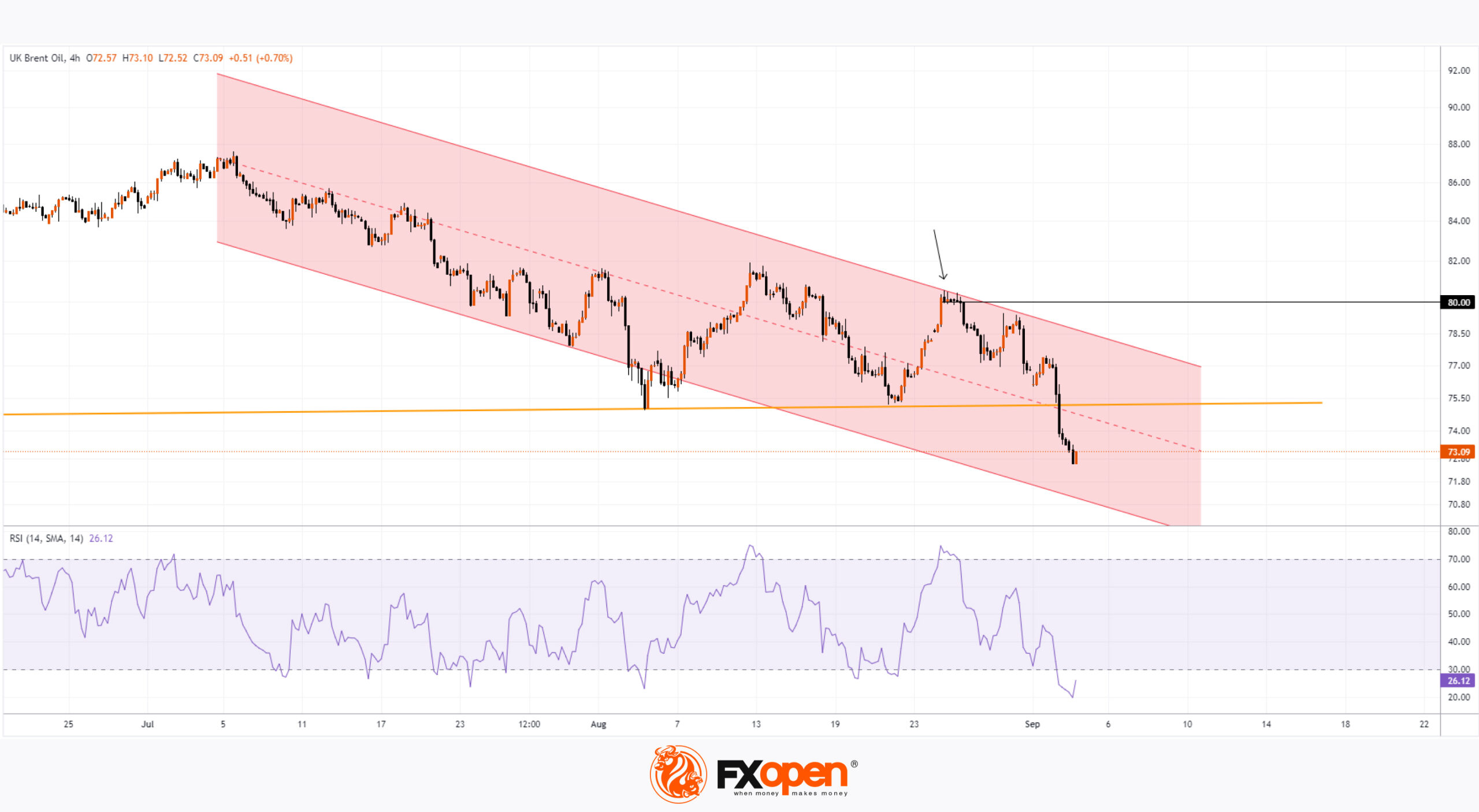
Oil prices have surged once more, with Brent crude reaching $118.3 per barrel. This increase comes amid rising global demand and geopolitical tensions affecting energy markets.
This price rise is a response to several factors, including increased demand in Asian markets, as well as concerns over supply shortages due to political crises in some oil-producing countries.
Details of the Event
Global oil prices have seen a continuous rise over the past few weeks, with Brent crude experiencing a significant increase. Data has shown that prices rose by 5% just last week, reflecting ongoing tensions in the Middle East and their impact on supplies.
Oil prices are also influenced by rising demand from China, one of the largest oil consumers in the world, as the Chinese government seeks to boost economic growth following a period of restrictions due to the COVID-19 pandemic.
Background & Context
Historically, oil prices have experienced significant fluctuations due to geopolitical events, where political crises in oil-producing countries play a key role in determining prices. For instance, oil prices saw sharp increases during conflicts in the Middle East, such as the Syrian crisis and the crises in Libya and Venezuela.
Additionally, decisions made by OPEC and its allies, known as OPEC+, significantly affect oil prices through production level determinations. Recently, OPEC+ has made decisions to maintain production levels amid global economic challenges.
Impact & Consequences
The increase in oil prices can lead to multiple effects on the global economy. On one hand, oil-producing countries may benefit from increased revenues, boosting their economies. On the other hand, oil-importing countries may face economic challenges due to rising energy costs.
Furthermore, rising oil prices may lead to increased inflation rates in many countries, affecting consumers' purchasing power and increasing pressure on governments to take measures to mitigate the effects of this rise.
Regional Significance
Arab oil-producing countries, such as Saudi Arabia and Iraq, are among the primary beneficiaries of rising oil prices, as this increase can contribute to enhancing their public budgets and improving economic conditions. However, these countries must remain cautious of future price fluctuations.
Conversely, Arab oil-importing countries, such as Egypt and Jordan, may face greater challenges due to rising energy costs, which could impact their economic development plans and increase social pressures.
In conclusion, the rise in oil prices is an indicator of the ongoing changes in global energy markets and reflects the challenges faced by both producing and consuming countries alike. It is crucial to closely monitor these developments to understand their impact on the global economy.