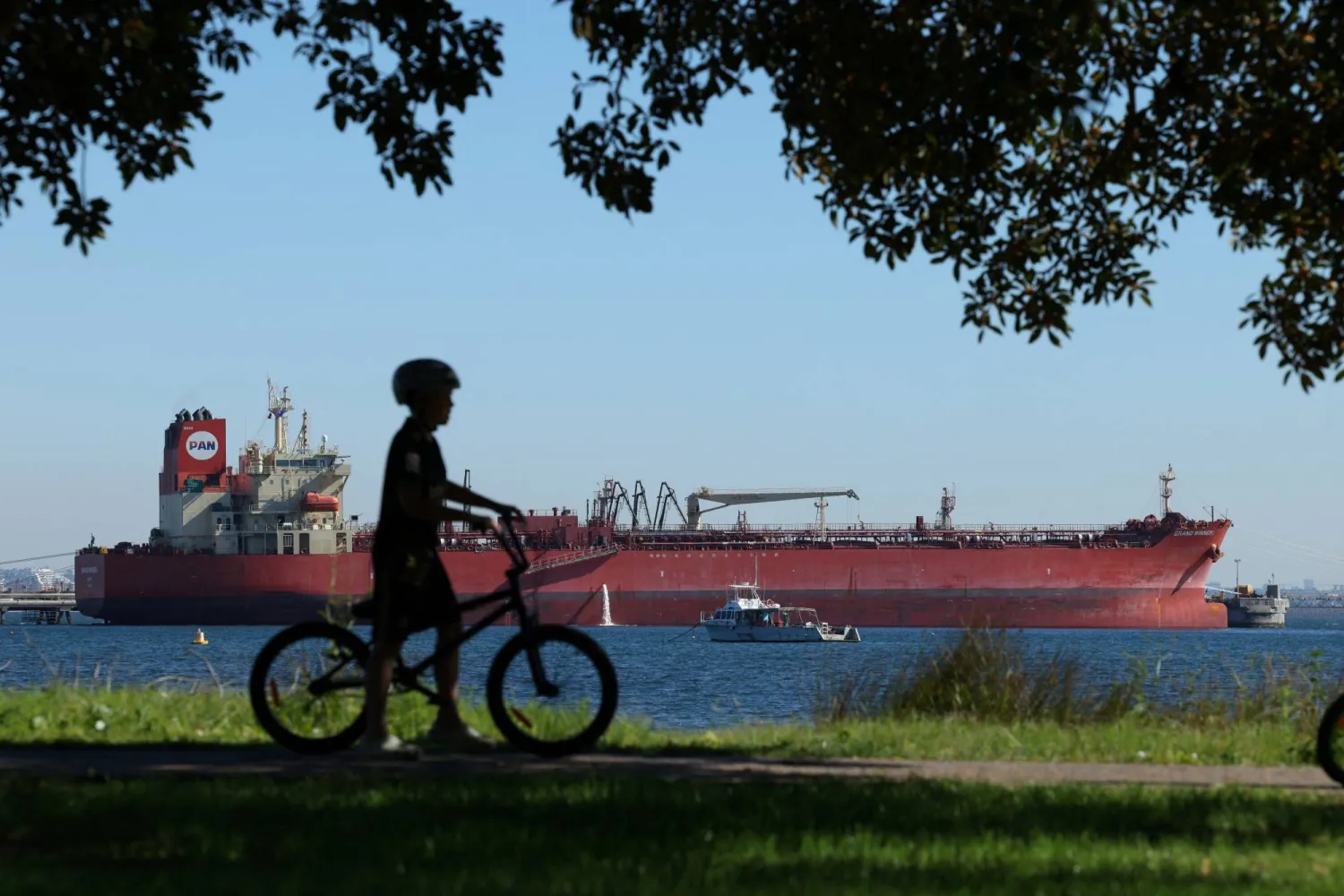
Oil prices saw a significant increase during trading on Wednesday, driven by reports that the United States intends to extend its blockade on Iranian ports. This development has heightened concerns regarding the stability of oil supplies from the Middle East, which is considered one of the most important energy sources in the world.
Media reports indicate that the U.S. administration is preparing to intensify economic pressure on Iran by restricting shipping movements to and from its ports. This comes amid ongoing political and security tensions related to Iran's nuclear program, which raises alarms for many Western nations.
Details of the Event
Brent crude recorded gains for the eighth consecutive session, while West Texas Intermediate continued its upward trend, supported by a decline in U.S. crude oil, gasoline, and distillate inventories. According to preliminary data, forecasts suggest that this price increase may persist under the current conditions.
Concerns over supply disruptions through the Strait of Hormuz, a vital corridor for a significant portion of global oil exports, have also contributed to the upward trend in prices. The uncertainty regarding the future of tensions in the region remains a crucial factor in determining prices.
Background & Context
Historically, the Middle East has been a focal point for geopolitical tensions, where economic and political interests intersect. The sanctions imposed on Iran for years due to its nuclear program have led to fluctuations in oil prices, impacting global markets.
In recent years, relations between the United States and Iran have escalated notably, with Washington seeking to impose further pressure on Tehran. This escalation occurs at a sensitive time as many countries attempt to balance their economic and security interests.
Impact & Consequences
The rise in oil prices could affect the global economy, as increasing energy costs may lead to inflation in many countries. Oil-importing nations may face challenges in managing their budgets, potentially impacting economic growth.
Moreover, the continuation of tensions in the region could lead to greater volatility in the markets, keeping investors on high alert. Companies that rely on oil as a primary energy source may face cost challenges, affecting their profits.
Regional Significance
For Arab countries, rising oil prices can have both positive and negative effects. Oil-producing nations may benefit from increased revenues, while importing countries may face mounting economic pressures.
The Gulf region is among the most affected areas by geopolitical tensions, playing a pivotal role in the global oil market. Any escalation in tensions could impact the overall stability of the region.
In conclusion, oil prices remain influenced by several factors, including U.S. policies and regional tensions. It is crucial to monitor developments closely, as any changes could significantly impact global markets.