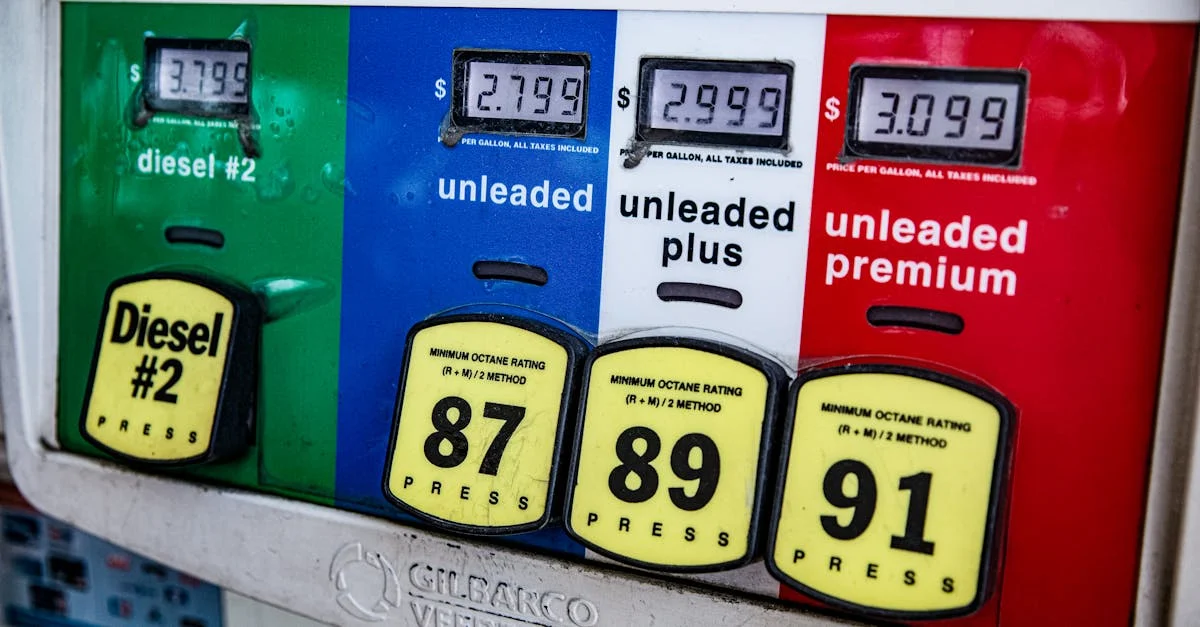
Oil prices surged on Monday, following the Easter holiday, as tensions among the United States, Israel, and Iran continue to affect global oil supplies. Brent crude futures recorded an increase of $2.4, or approximately 2.2%, reaching $111.43 per barrel. Meanwhile, West Texas Intermediate crude futures rose by $3, or 2.7%, trading at $114.57 per barrel.
This price increase comes at a sensitive time, as US President Donald Trump threatens Iran in a social media post, indicating that he would target Iranian power stations and bridges if the strategic Strait of Hormuz is not reopened. These statements reflect an escalation in tensions between the two nations, raising concerns about the stability of oil supplies in global markets.
Details of the Event
The Strait of Hormuz is one of the most critical maritime passages in the world, through which approximately 20% of global oil supplies pass. Any escalation in conflict in this region could lead to significant disruptions in the oil market, negatively impacting the global economy. Additionally, the current tensions come at a sensitive time for the global economy, which is still recovering from the impacts of the COVID-19 pandemic.
In light of these circumstances, markets are closely monitoring any new developments in the conflict between the United States and Iran. Some analysts have pointed out that any military escalation could lead to a substantial increase in oil prices, which may affect energy costs worldwide.
Background & Context
Historically, relations between the United States and Iran have experienced increasing tensions since the Iranian Revolution in 1979. These tensions have particularly escalated following the US withdrawal from the Iranian nuclear deal in 2018, which led to the imposition of stringent economic sanctions on Iran. These sanctions have significantly impacted the Iranian economy and deteriorated relations between Iran and Western countries.
Israel is also a key player in this conflict, viewing Iran as an existential threat. Israel has conducted several military operations against Iranian targets in Syria, further complicating the situation in the region. These dynamics make it challenging to predict the future of relations between these countries and their impact on oil markets.
Impact & Consequences
The increase in oil prices could have negative effects on the global economy, as rising energy prices can lead to increased transportation and production costs, which will be reflected in the prices of goods and services. Additionally, oil-importing countries may face greater economic pressures, potentially affecting economic growth.
Moreover, rising oil prices could lead to heightened political tensions in countries reliant on oil imports, as public pressure may increase due to rising living costs. This situation could lead to political instability in some nations, further complicating the political landscape in the region.
Regional Significance
Arab oil-producing countries, such as Saudi Arabia and the UAE, stand to benefit from rising oil prices, as this could lead to increased government revenues. However, Arab oil-importing countries may face greater challenges amid rising prices, which could impact their economic stability.
Ultimately, the situation in the region remains complex and fluid, as any escalation in the conflict between the United States and Iran could have far-reaching effects on oil markets and global economies. It is crucial to closely monitor developments to understand how they will impact the region and the world.