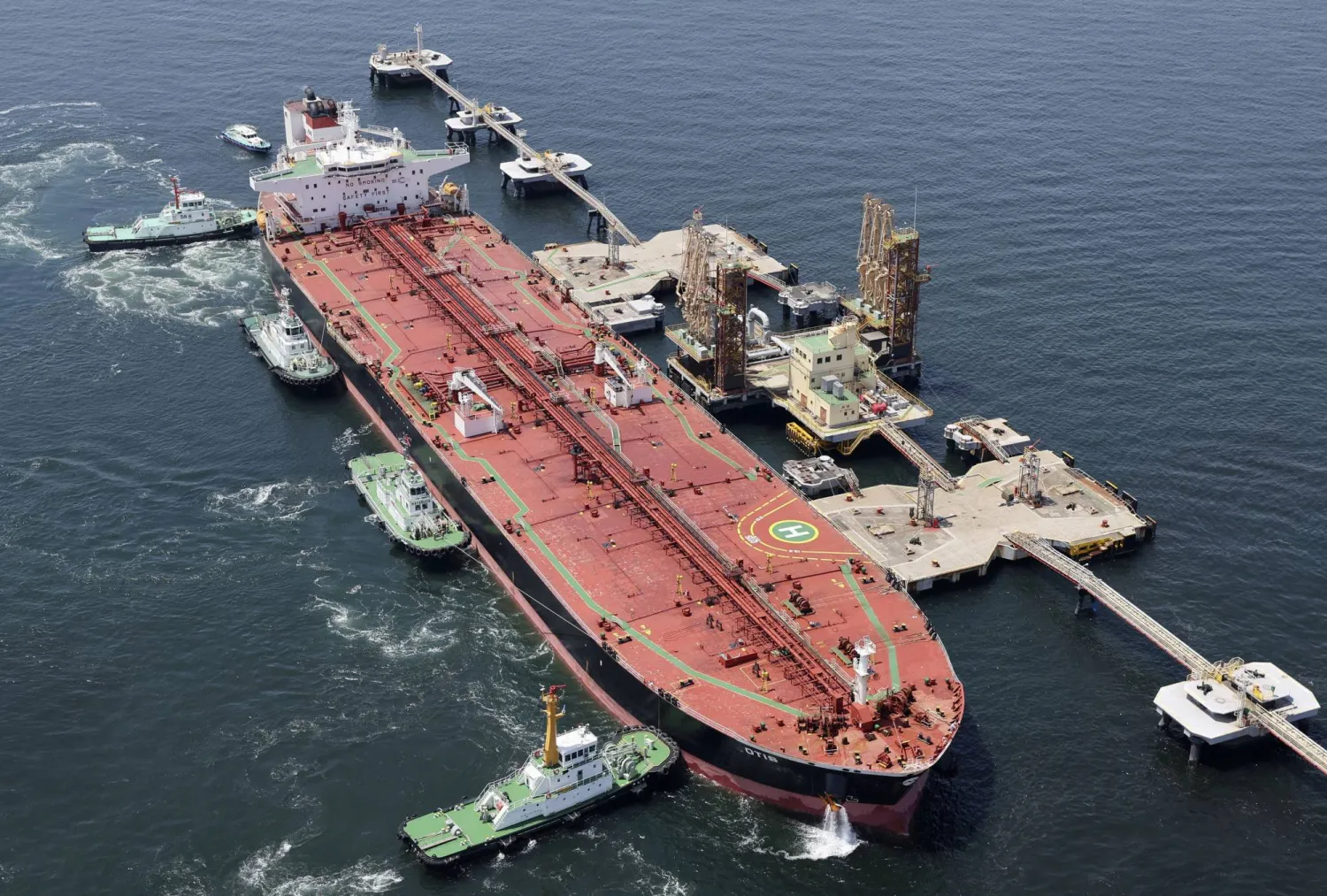
Global oil prices rose by approximately 1% on Tuesday, reflecting continued gains for the seventh consecutive session. This increase comes amid rising tensions between the United States and Iran, along with stalled diplomatic efforts aimed at resolving the conflict between the two parties.
The price surge was driven by the ongoing closure of the Strait of Hormuz, which is considered one of the most important maritime routes for energy transportation worldwide, through which approximately 20% of global oil and gas consumption passes. This situation has raised widespread concerns about disruptions to supplies in international markets.
Details of the Event
Brent crude futures for June delivery recorded an increase of $1.41, or 1.3%, reaching $109.64 per barrel, following a 2.8% rise in the previous session, marking the highest closing level since early April. Meanwhile, West Texas Intermediate (WTI) crude rose by $1.27, or 1.3%, to $97.64 per barrel.
The escalation in oil prices followed an announcement from a U.S. official indicating that President Donald Trump was dissatisfied with Iran's latest proposal to halt the conflict, while Iranian sources noted that the proposal included postponing discussions on the nuclear issue until military operations ceased and maritime disputes in the Gulf were resolved.
Background & Context
This political stalemate has directly impacted energy markets, as Iran has maintained the closure of navigation in the Strait of Hormuz, while the United States continues to impose sanctions on Iranian ports. This situation has led to disruptions in shipping movements and caused several Iranian oil tankers to divert from their routes.
Conversely, ship tracking data showed that a liquefied natural gas tanker belonging to ADNOC crossed the strait heading towards India, indicating limited continuity for some shipments despite the ongoing tensions.
Impact & Consequences
Analysts believe that oil markets are currently focusing more on geopolitical risks than on demand indicators, predicting continued volatility and an upward price trend until the end of May, unless a genuine political breakthrough occurs. Markets are also awaiting the release of U.S. inventory data this week, with expectations of an increase in crude stocks by approximately 300,000 barrels, a factor that could later influence price direction.
Attention is directed towards how these developments will affect global economic stability, as any increase in oil prices could lead to higher energy costs, negatively impacting economies that heavily rely on these resources.
Regional Significance
These developments are particularly significant for the Arab region, where many countries depend on oil exports as a primary source of revenue. Any rise in prices could enhance oil revenues, but at the same time, it may increase economic pressures on oil-importing nations.
In conclusion, the situation in the Strait of Hormuz and the negotiations between Washington and Tehran remain at the forefront of events, as any changes in this context could significantly impact global energy markets.