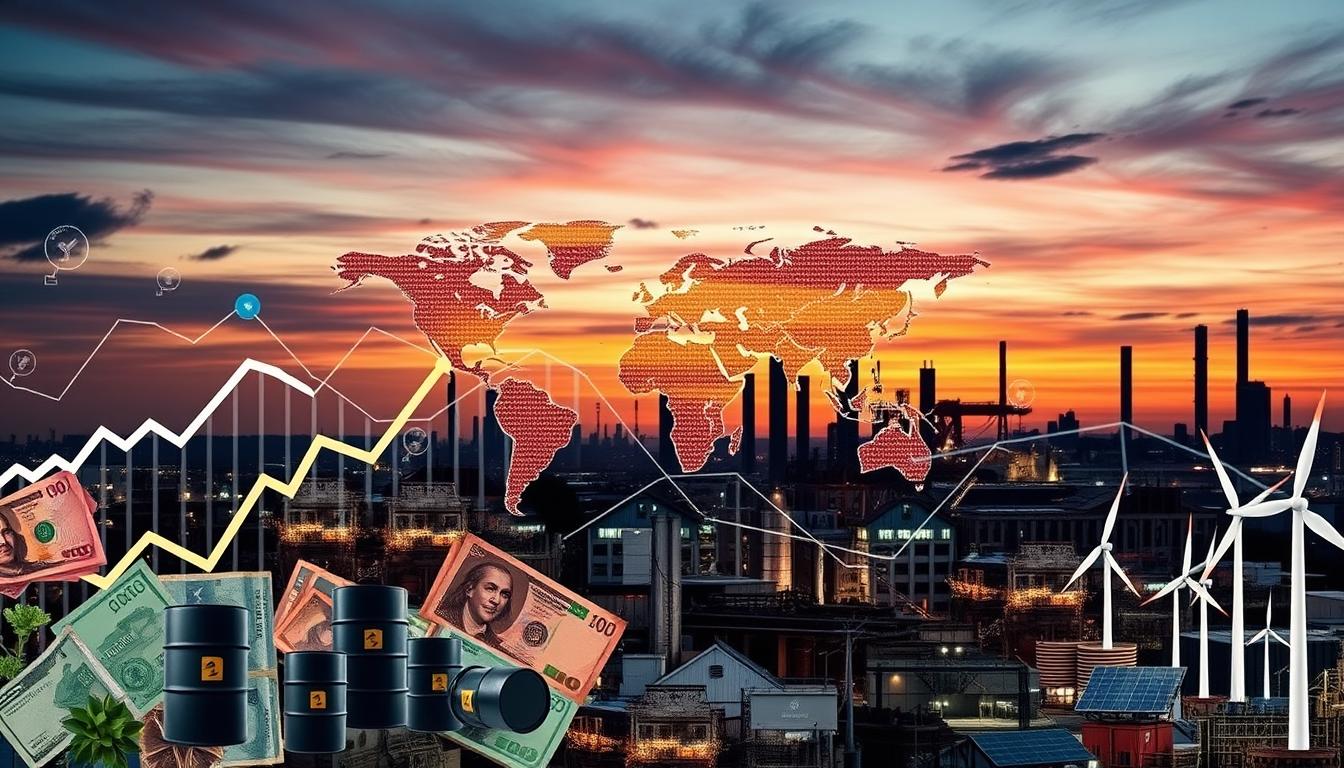
Oil prices have seen a significant increase of 53%, indicating the strength of the global market and rising demand expectations. This surge comes amid geopolitical tensions and rising production costs, raising questions about the sustainability of this increase and its impact on the global economy.
Reports indicate that oil prices have risen notably in recent months, surpassing $80 per barrel. This increase reflects the growing demand for oil in global markets, especially with the economic recovery following the COVID-19 pandemic and increased industrial activity.
Details of the Event
Recently, oil prices have experienced significant fluctuations, rising sharply due to several factors. Among these factors are the increasing demand from major countries such as China and the United States, along with production cuts by the OPEC organization and other producing countries. Additionally, geopolitical tensions in regions like the Middle East significantly affect market stability.
The rising production costs due to increased prices of raw materials and labor have also contributed to this increase. Analysts have pointed out that these factors may lead to continued price hikes in the near future, increasing pressure on consumers and businesses.
Background & Context
Historically, oil prices have experienced significant fluctuations due to global events. For example, in 2008, prices surged sharply due to the global financial crisis, while they fell significantly in 2014 due to increased production from the United States.
In recent years, oil has become more affected by geopolitical factors, as conflicts in regions like the Middle East impact supply and oil prices. Additionally, shifts in environmental policies and the transition towards renewable energy may affect future oil demand.
Impact & Consequences
The rise in oil prices has wide-ranging effects on the global economy. On one hand, it can lead to increased revenues for oil-producing countries, bolstering their public budgets. However, on the other hand, it may lead to higher transportation and production costs, negatively impacting prices for consumers.
Moreover, rising prices may affect inflation, as they can lead to increased prices for goods and services. This situation may place additional pressure on central banks, which may need to take measures to contain inflation.
Regional Significance
For Arab countries, oil is a primary source of revenue. Therefore, rising prices can enhance economic stability in some countries like Saudi Arabia and the United Arab Emirates. However, countries that rely on oil imports may face economic challenges due to rising prices.
Furthermore, this increase may exacerbate political tensions in the region, as countries strive to balance increased oil revenues with maintaining price stability for consumers.
In conclusion, the rise in oil prices remains a complex issue that requires close monitoring by economists and policymakers. While it may provide economic benefits for some countries, it also carries significant challenges that require effective responses.