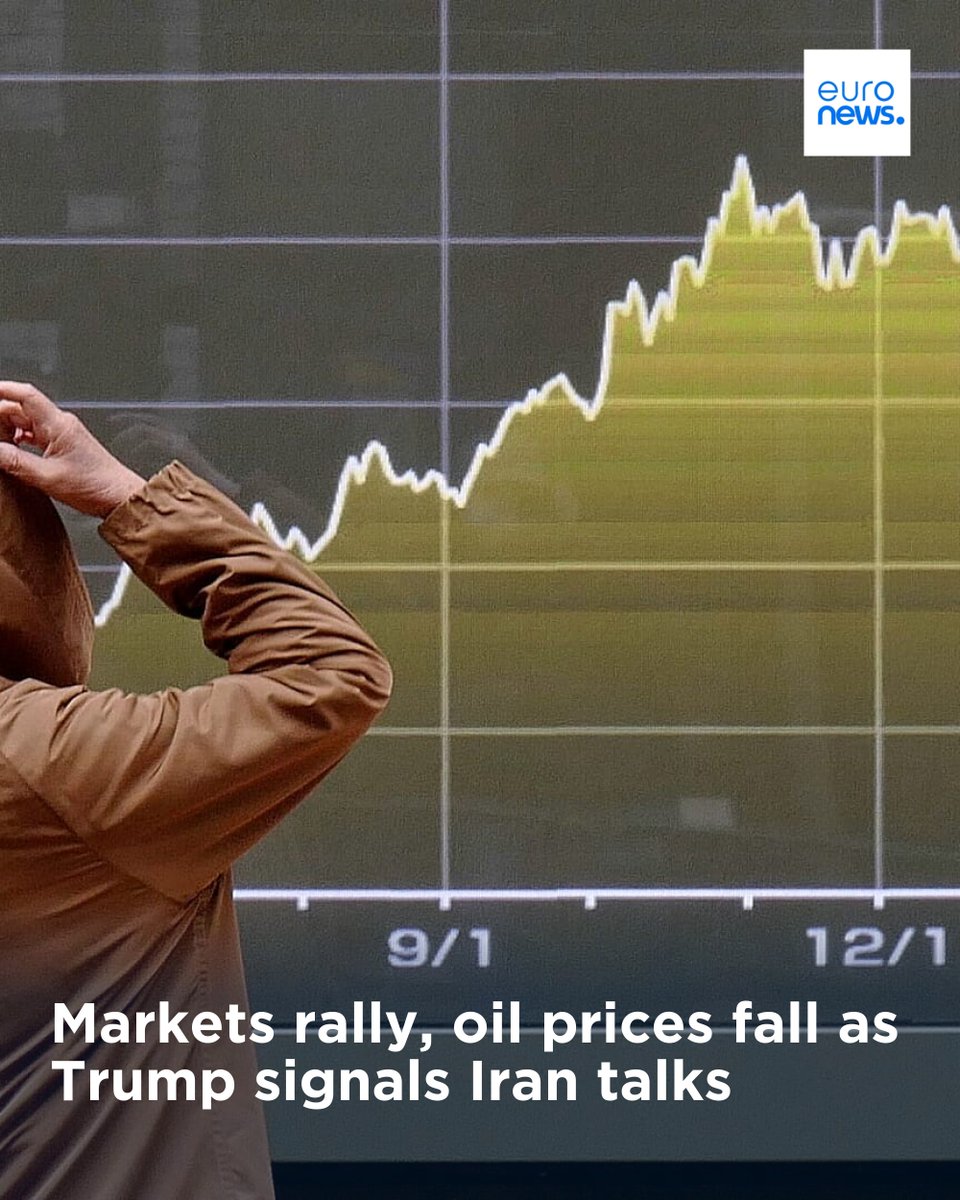
Oil prices have significantly jumped following U.S. President Donald Trump's commitment to escalate military actions in Iran in the coming weeks. This has raised concerns about ongoing disruptions in energy flow through the vital Strait of Hormuz. This statement comes at a sensitive time as the world seeks stability in energy markets amidst rising tensions in the region.
Trump, who announced plans to increase military pressure on Iran, indicated that these steps could exacerbate the situation in the Gulf region, negatively impacting oil prices and increasing uncertainty in the market. This announcement led to an immediate rise in oil prices, reflecting growing anxiety among investors.
Event Details
As tensions escalate between the United States and Iran, oil prices showed a swift response to Trump's statements. Brent crude prices rose by over 3% in global markets, reflecting fears of supply disruptions should military conflict escalate. The Strait of Hormuz, through which approximately 20% of the world's oil passes, is a critical point in this context.
The U.S. statements come at a time when pressures on Iran are increasing, as the country faces stringent economic sanctions from the United States. These sanctions have significantly reduced Iranian oil exports, heightening tensions in the region.
Background & Context
Historically, U.S.-Iran relations have seen increasing tensions since the Iranian Revolution in 1979. Since then, there have been several attempts to reach diplomatic agreements, most of which have failed. In 2018, the United States withdrew from the nuclear agreement with Iran, significantly escalating tensions.
Iran is considered a key player in the global oil market, having exported large quantities of oil before sanctions were imposed. As pressures mount, Iran has increasingly relied on other markets such as China, but military tensions could also affect these relationships.
Impact & Consequences
Escalating military conflict in the Gulf could lead to further increases in oil prices, impacting the global economy. Rising prices could negatively affect oil-importing countries, increasing energy costs, which could lead to economic inflation in many nations.
Moreover, these tensions may lead to increased investments in alternative energy sources, as many countries seek to reduce their reliance on traditional oil. Additionally, escalating conflict could impact political stability in the region, increasing uncertainty.
Regional Significance
Arab oil-producing countries, such as Saudi Arabia and the UAE, find themselves in a sensitive position due to these developments. Any escalation in conflict could affect global oil prices, which may reflect on Arab economies that heavily depend on oil revenues.
Moreover, tensions in the Gulf could lead to increased attacks on oil tankers, posing a direct threat to energy security in the region. Under these circumstances, Arab countries may need to take proactive steps to ensure market stability and protect their economic interests.
In conclusion, the situation in the Gulf remains under close observation, as any further escalation could lead to widespread repercussions on the global economy and energy markets. It is crucial for Arab nations to remain vigilant and work towards enhancing their economic stability in these volatile conditions.