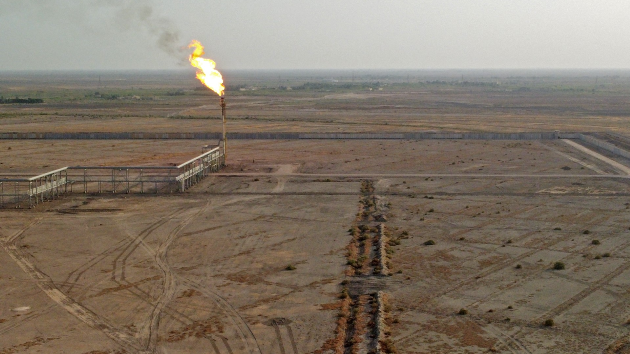
Oil prices have risen significantly in global markets, reflecting the contrasting statements issued by the United States and Iran regarding efforts to end the ongoing conflict in the region. This increase comes at a time when the world faces rising risks related to energy security, particularly with the closure of the Strait of Hormuz, one of the most crucial maritime routes for oil transportation.
The conflicting statements between Washington and Tehran indicate a lack of consensus on how to resolve the dispute, which heightens uncertainty in the markets. Reports suggest that the United States is seeking to pressure Iran through sanctions, while Iran continues to assert its steadfast position in the face of these pressures.
Details of the Event
As oil prices witness notable increases, concerns are growing about the impact of the conflict on global supplies. Data has shown that crude oil prices have surged by up to 3% in recent days, reflecting the increasing anxiety over the effects of the dispute on supplies.
These developments come at a highly sensitive time, as many countries rely on oil supplies from the region. Analysts have indicated that ongoing tensions could lead to even greater price hikes, negatively impacting the global economy.
Background & Context
The Strait of Hormuz is a vital transit point for oil, with approximately 20% of the world's total oil supplies passing through it. The region has seen escalating tensions in recent years, particularly following the United States' withdrawal from the nuclear agreement with Iran in 2018, which intensified the conflict between the two parties.
There is also a long history of tensions in U.S.-Iranian relations, with both countries exchanging accusations regarding support for armed groups in the region. These tensions have exacerbated humanitarian and economic crises in countries like Iraq and Syria.
Impact & Consequences
Experts assert that the continuation of the conflict between the United States and Iran could worsen the global energy crisis. Rising oil prices can affect transportation and production costs, negatively reflecting on prices in local markets.
Moreover, these tensions may increase pressures on oil-importing countries, potentially exacerbating economic crises in some developing nations. There are also concerns that rising prices could lead to increased inflation, impacting citizens' purchasing power.
Regional Significance
Arab oil-producing countries are among the most affected by developments in oil prices. While rising prices may benefit the economies of these nations, they could simultaneously lead to increased political tensions in the region.
The conflict between the United States and Iran may also affect relations between Arab countries and Iran, as some nations seek to strengthen their ties with Washington amid these tensions. It is crucial for Arab nations to remain vigilant regarding developments in the region and take proactive steps to protect their economic interests.
In light of these circumstances, the future of oil prices remains uncertain and heavily depends on how the conflict between the United States and Iran evolves. Continuing to monitor events will be essential to understand the potential impacts on the global and regional economy.