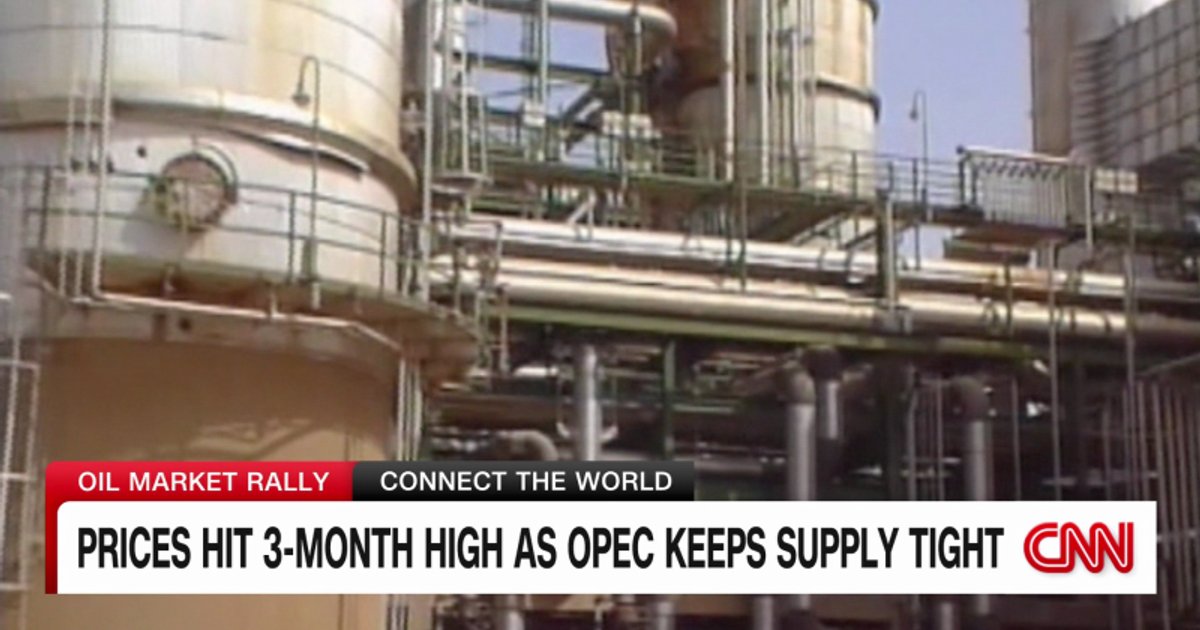
Brent crude oil prices experienced a notable rise on Thursday (April 9), exceeding $97 per barrel, after sharply declining on Wednesday to around $90, the lowest level in over a month. This increase comes at a time when concerns are growing about global energy supplies due to escalating tensions in the Gulf region.
This price hike follows reports from Iranian media indicating that Iran may reconsider its commitment to a recently established ceasefire with the United States. The Tasnim news agency reported that Tehran might withdraw its support for the truce if Israeli violations in Lebanon continue.
Details of the Situation
While markets were expecting relative stability following the ceasefire agreement, fears returned to dominate the market after reports showed that shipping traffic through the Strait of Hormuz, a vital transit point for oil, had once again come to a halt. This stoppage occurred after a series of Israeli attacks on targets in Lebanon, heightening concerns about the safety of oil shipments.
Iranian media also reported that a significant number of ships are stuck in this strategic corridor, raising questions about the market's ability to meet the increasing global energy demand. Another report indicated that vessels wishing to transit the strait must cooperate with the Iranian Revolutionary Guard, complicating the situation further.
Background & Context
Historically, the Strait of Hormuz is one of the most important maritime corridors in the world, through which approximately 20% of the world's total oil passes. The region has witnessed ongoing tensions due to regional conflicts, particularly between Iran and Israel, directly impacting global oil prices.
In recent months, there have been multiple attempts to reach calming agreements between the United States and Iran, but these efforts are often tested by the rapidly changing events in the region. The recent ceasefire agreement aimed to ease tensions, but recent developments indicate that the situation remains fragile.
Impact & Consequences
These escalating tensions could lead to further increases in oil prices, potentially affecting the global economy. Rising oil prices may result in increased transportation and production costs, negatively impacting the prices of goods and services.
Moreover, the continued unrest in the Gulf region could lead to volatility in financial markets, as investors seek to protect themselves from potential risks. This situation may create uncertainty in the markets, making it difficult to predict price trends in the near future.
Regional Significance
For Arab countries, rising oil prices may have varying impacts. Oil-producing nations could benefit from increased revenues, while importing countries may face greater economic challenges due to rising energy costs.
Investments in infrastructure and renewable energy projects are also affected, as rising prices may lead to a reassessment of government spending priorities. In this context, Arab nations must consider long-term strategies to address oil price fluctuations and their effects on their economies.
In conclusion, oil prices remain under pressure from geopolitical tensions, making it essential to closely monitor developments in the region. Understanding these dynamics will enable Arab countries to make strategic decisions that align with their economic interests.