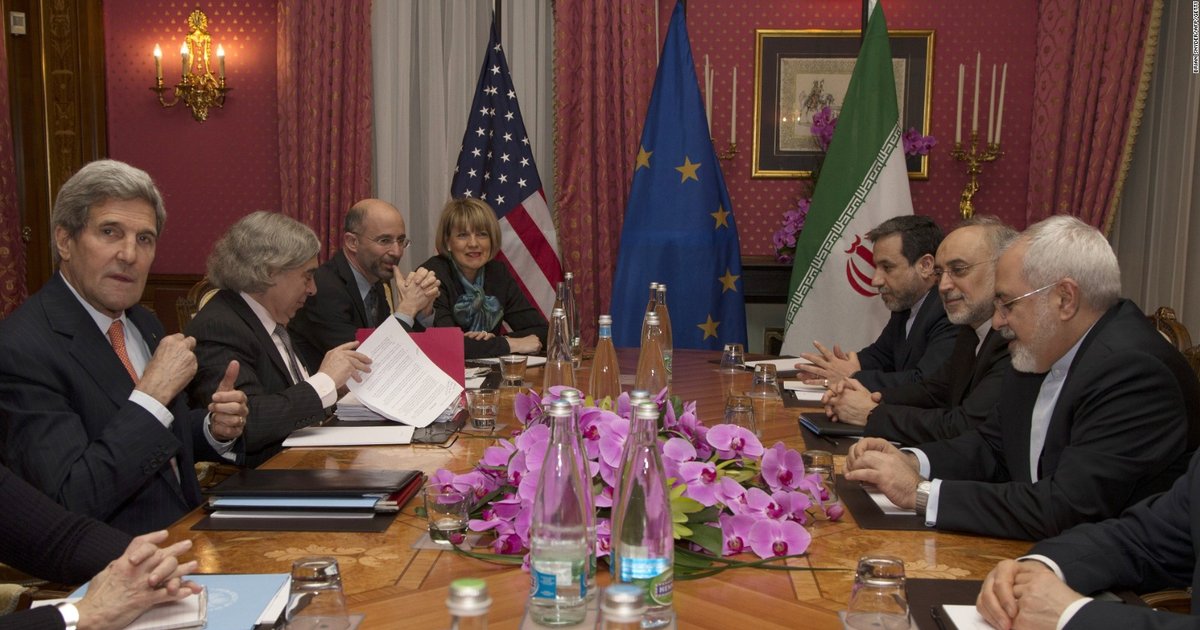
Global oil prices have experienced a notable increase, rising by as much as 3%, while US stock futures have fallen. This price change occurs amidst stalled negotiations between the United States and Iran, which aimed to revive the nuclear agreement signed in 2015.
The markets have been significantly affected by the lack of progress in negotiations, as hopes were pinned on reaching an agreement that would stabilize oil prices. With ongoing geopolitical pressures, the markets are now in a state of uncertainty, prompting investors to reassess their investments.
Details of the Situation
According to reports, talks between the United States and Iran have come to a halt, raising concerns about the potential escalation of tensions in the region. US officials have indicated that Iran may take unilateral steps that could impact global market stability.
At the same time, oil prices have risen to their highest levels in several months, with Brent crude reaching $90 per barrel. This increase reflects growing concerns over supply, especially amid ongoing tensions in the Middle East.
Background & Context
The roots of the current crisis trace back to the United States' withdrawal from the Iranian nuclear deal in 2018, which aimed to limit Iran's nuclear activities in exchange for sanctions relief. Since then, the United States has imposed stringent sanctions on Iran, significantly impacting its economy and leading to volatility in global oil markets.
Despite efforts to revive negotiations, disagreements over various issues remain, including Iran's ballistic missile program and its support for armed groups in the region. These issues complicate the path to a comprehensive agreement.
Impact & Consequences
These developments are directly affecting financial markets, with analysts predicting that oil prices will continue to rise if negotiations remain stalled. This increase could lead to higher energy costs worldwide, impacting inflation and economic growth.
Furthermore, escalating tensions may provoke reactions from other nations, complicating the situation further. Financial markets may experience increased volatility in the coming days as investors react to news and new developments.
Regional Significance
Arab oil-producing countries are among the most affected by these developments, as many of their economies heavily rely on oil revenues. Rising prices may positively impact some countries, but they could increase pressures on oil-importing nations.
Simultaneously, rising tensions could exacerbate political and economic crises in the region, prompting Arab nations to take proactive measures to address these challenges.
The stalling of US-Iran talks highlights the ongoing challenges facing global markets. Under these circumstances, investors and analysts remain vigilant for further developments that may impact price stability and market conditions.