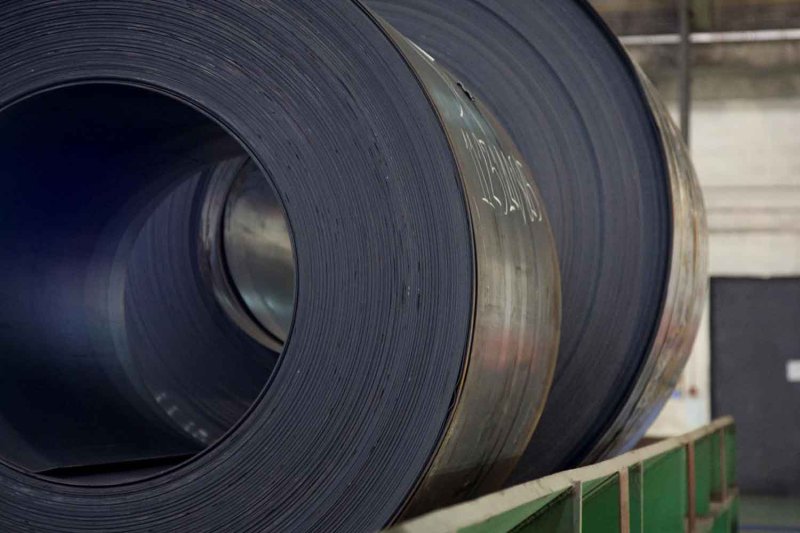
The steel industry in Thailand is experiencing negative impacts due to rising oil prices, exacerbated by conflicts in the Middle East. This has resulted in increased shipping costs for imported iron ore, significantly raising production expenses.
Nipha Chantanasaorakorn, Vice President of the Thai Industries Federation, cautioned that the current situation may drive up steel product prices, negatively affecting companies' production capacity. He emphasized that the federation is closely monitoring the situation and advises businesses to adjust their strategies to adapt to these changes.
Details of the Situation
The current energy crisis has led to higher electricity bills and increased prices for steel sheets, which are semi-finished products used in various sectors such as automotive, home appliances, furniture, and construction. Thai steel mills, most of which operate in the intermediate sector, heavily rely on imported iron ore and steel sheets.
Many companies plan to raise steel product prices by over 17% between April and May, with the first increase in April expected due to rising global iron ore prices, followed by another increase in May as a result of higher electricity costs.
Background & Context
Historically, Thailand's steel industry has suffered from low utilization of production capacity, with usage rates not exceeding 30% since 2017. The country witnessed an increase in steel consumption last year to 18 million tons, up from 16 million tons in 2024, which was the lowest level in recent years.
Private projects are expected to slow economic activity, while government initiatives in reform and infrastructure may help sustain demand. However, the industry still faces intense competition from low-cost steel imports from China, which pose a continuous challenge to markets in Southeast Asia.
Impact & Consequences
Amid rising costs and global market fluctuations, industry leaders fear that some companies may have to temporarily suspend operations. These challenges could lead to reduced production, affecting employment and the local economy overall.
Concerns are growing that the continuation of these conditions may exacerbate economic crises in the region, necessitating government intervention to support the local industry and ensure price stability.
Regional Significance
The steel industry is a vital sector for the Thai economy, and any changes in production costs could impact many other industries. The current situation highlights the interconnectedness of global markets and the importance of strategic planning for local businesses.
In conclusion, as the Thai steel industry navigates these turbulent waters, it remains crucial for stakeholders to adapt and respond effectively to the challenges posed by rising oil prices and global market dynamics.