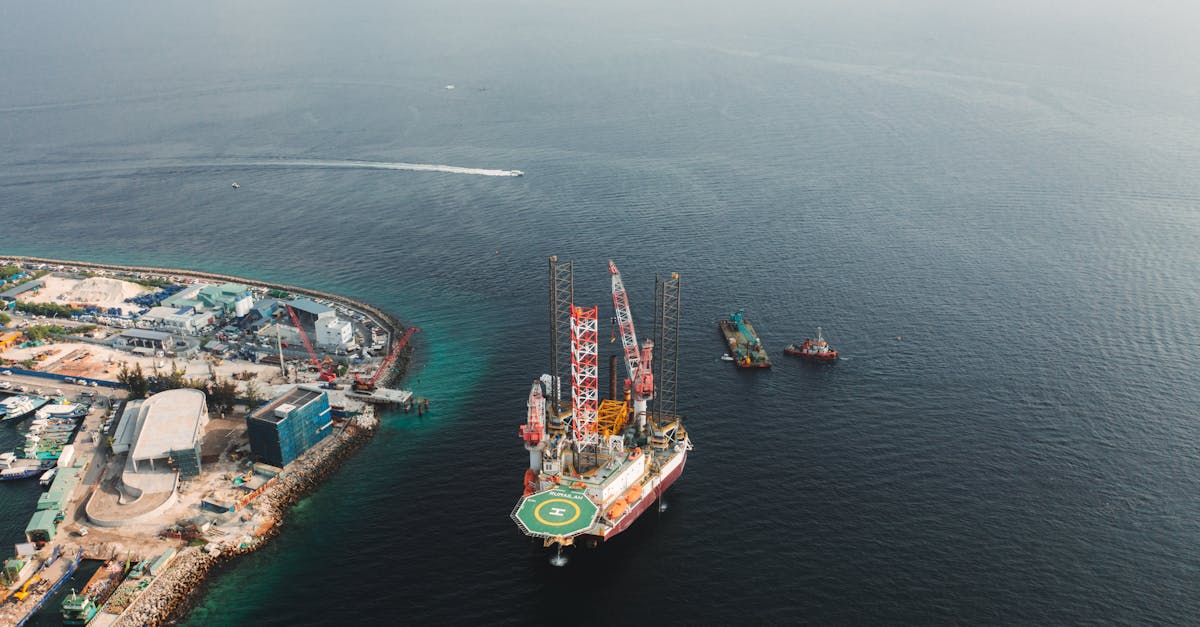
Brent crude oil prices have seen a significant increase, reaching $119 per barrel, which is close to the highest level since the beginning of the conflict between the United States, Israel, and Iran. This rise comes amid escalating tensions following airstrikes by the United States and Israel on Iran since February 28, leading to Iran's closure of the Strait of Hormuz, a vital oil transport corridor.
This situation has caused a sharp increase in oil prices, with fuel prices at gas stations reaching their highest levels in years. Countries have taken various measures to cope with this increase, with Australia deciding to make public transport free, while Egypt has requested stores and restaurants to close early to reduce energy consumption.
Event Details
In the United States, gas prices at stations have surpassed $4 per gallon, the highest level in nearly four years, according to the American Automobile Association. Meanwhile, in the United Kingdom, gasoline prices have reached 152.8 pence per liter, the highest level in two years, which is an increase of 20 pence since the start of the conflict. Diesel prices have also risen to 182.77 pence, the highest since December 2022.
As fuel prices continue to rise, airlines are also anticipating negative impacts, as jet fuel prices have surged significantly. The last shipment of jet fuel from the Middle East is expected to arrive in the UK this week, which is unusual as there have been no shipments en route.
Background & Context
Historically, the Strait of Hormuz is one of the most important waterways in the world, through which approximately 20% of the world's oil passes. This strait has witnessed numerous tensions in the past, but the current situation appears to be more severe amid the ongoing conflict between the United States, Israel, and Iran. This conflict reflects the geopolitical tensions in the region, which directly affect global energy markets.
Iran is one of the largest oil producers in the world, and any closure of the Strait of Hormuz could have significant effects on global oil prices. In recent years, there have been numerous attempts by Iran to enhance its influence in the region, increasing tensions with Western countries.
Impact & Consequences
With rising oil prices, it is expected that this increase will impact the global economy as a whole. Higher fuel prices can lead to increased transportation costs, negatively affecting the prices of goods and services. Additionally, oil-importing countries will face greater challenges in managing their budgets, potentially leading to increased inflation.
At the same time, oil-producing countries may benefit from this price increase, as it could boost their revenues. However, overall, the effects of rising oil prices will be felt worldwide, necessitating a response from governments to mitigate the adverse effects of this increase.
Regional Significance
For Arab countries, the rise in oil prices may have varying impacts. Oil-producing countries like Saudi Arabia and the UAE may benefit from increased revenues, while importing countries like Egypt and Jordan may face greater economic challenges due to rising energy costs.
Moreover, the situation in the region could lead to increased political tensions, as some countries may seek to enhance their influence amid changing circumstances. It is crucial for Arab nations to monitor developments in oil markets and be prepared to adapt to potential changes.