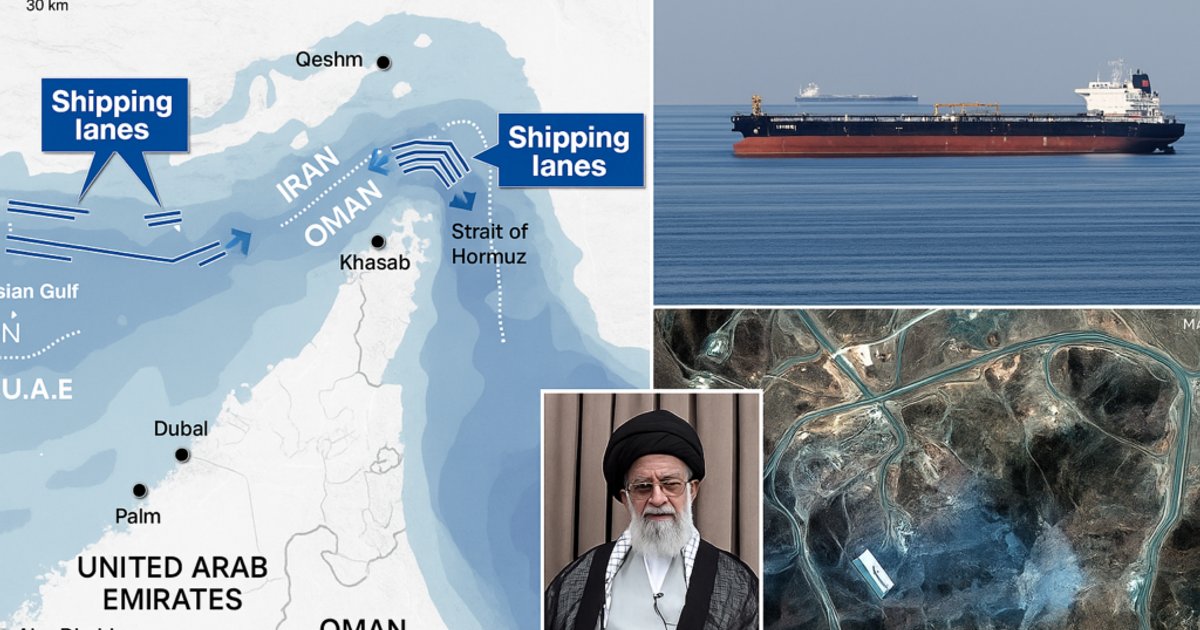
Global oil prices have risen sharply, approaching $150 per barrel, reflecting a worsening supply crisis stemming from the escalating conflict between the United States and Israel on one side and Iran on the other. The closure of the Strait of Hormuz, considered one of the most critical maritime routes for oil transport, has negatively affected global oil supplies.
Data indicates that prices for certain oil types have surpassed future prices, indicating a severe supply crisis. Last month, Brent crude prices reached $119.50 per barrel, the highest level since 2022, although it remains below the record of $147.50 set in 2008.
Details of the Current Crisis
The current crisis has led to a halt in the production of approximately 12 million barrels per day, equivalent to 12% of global supplies, due to Iran's closure of the Strait of Hormuz. Additionally, competition between European and Asian refiners has contributed to rising prices, as they seek to compensate for the shortfall in oil supplies from the Middle East.
In this context, the price of North Sea Forties crude has reached a record level of $146.09 per barrel, surpassing the 2008 record, due to market panic over actual supply shortages, making the demand for spot oil more urgent than for futures contracts.
Background & Context
Historically, the Strait of Hormuz is a vital point for oil transport, through which approximately 20% of global oil supplies pass. Political and military crises in the region often have a significant impact on oil prices. In recent years, we have witnessed several similar crises that led to sharp price fluctuations, reflecting the importance of stability in this region.
The current crisis is not the first of its kind; the region has experienced numerous tensions over the years, but its impact on prices this time appears more severe due to changing geopolitical conditions. Tensions between Iran and the United States could exacerbate the situation, increasing uncertainty in the market.
Impact & Consequences
Analyses suggest that rising oil prices could affect the global economy overall, as they may lead to increased transportation and production costs, negatively impacting prices for consumers. Additionally, rising fuel prices could contribute to inflation, putting additional pressure on governments.
At the same time, some oil-producing countries may benefit from these price increases, as they could boost their revenues. However, reliance on high oil prices can be risky, as any market changes could lead to sharp fluctuations.
Regional Significance
The implications of rising oil prices extend beyond immediate economic concerns, influencing geopolitical dynamics and energy markets globally. The ongoing tensions in the region highlight the delicate balance of supply and demand, which can shift rapidly with any new developments.
In conclusion, the current crisis underscores the fragility of global oil supply chains and the interconnectedness of geopolitical events and market stability. The world watches closely as the situation develops, aware that the repercussions could be far-reaching.