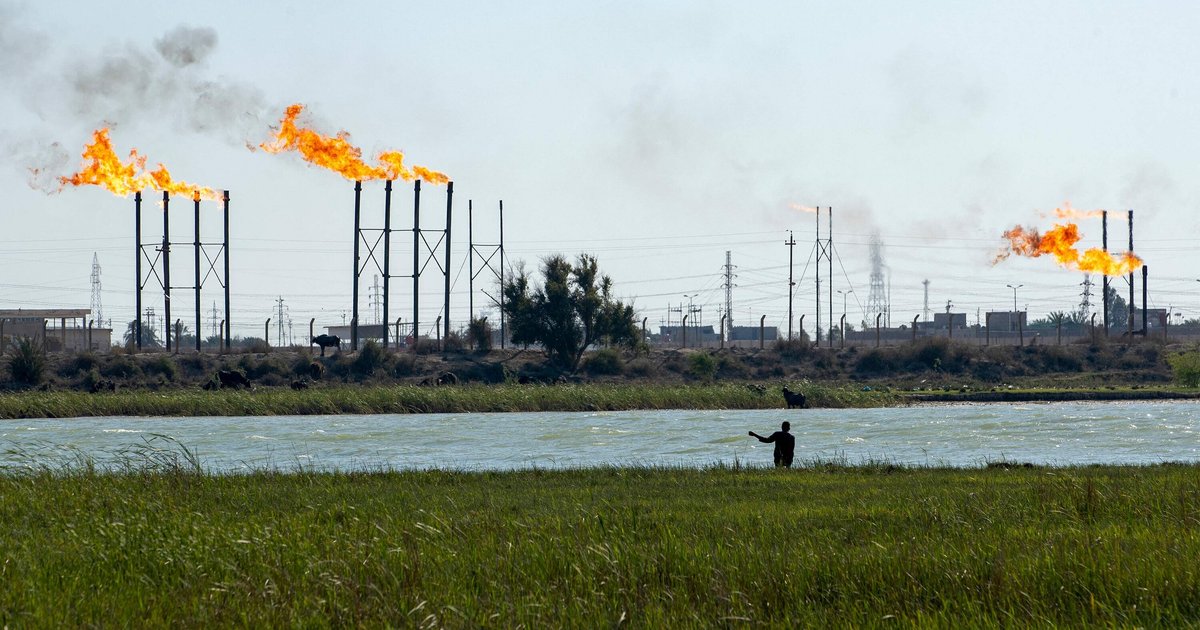
Reports indicate that oil prices are set to rise significantly this week due to escalating political and security tensions in the Middle East. This increase follows a series of events that have impacted the stability of the oil market, raising concerns about widespread implications for the global economy.
In recent days, the region has witnessed heightened tensions among several countries, leading to fears about the potential impact on oil supplies. Sources have reported that these tensions could result in production cuts or even disruptions in shipments, contributing to rising prices.
Event Details
Markets expect the price of a barrel of oil to increase by approximately $3 to $5 in the coming days. Analysts have noted that this rise comes at a sensitive time, as the global economy faces significant challenges due to inflation and rising prices of essential goods.
There is also growing concern regarding the stability of the Middle East, where clashes in certain areas are increasing uncertainty in the markets. Data has shown that demand for oil remains strong, which supports the potential for price increases.
Background & Context
Historically, oil prices have experienced significant fluctuations due to political events in the Middle East. For instance, in recent years, armed conflicts and economic sanctions have led to sudden changes in prices. The Arabian Gulf region is known to be one of the largest oil-producing areas in the world, making it sensitive to any political tensions.
Last year, oil prices saw a substantial increase due to the global energy crisis triggered by the COVID-19 pandemic, which led to production cuts during lockdowns. As economic activity resumed, prices rose significantly, prompting markets to anticipate further increases in the near future.
Impact & Consequences
The rise in oil prices could have negative effects on the global economy, as it will increase transportation and production costs, which may reflect on the prices of goods and services. Additionally, oil-importing countries will face greater challenges in their budgets, potentially leading to cuts in public spending.
On the other hand, oil-producing countries may benefit from this increase, as their revenues will rise, potentially helping to boost their economies. However, ongoing tensions in the region could lead to further price volatility, making it difficult to predict the future of the market.
Regional Significance
Arab oil-producing countries such as Saudi Arabia, the UAE, and Kuwait are among the most affected by rising prices. These countries heavily rely on oil revenues to finance their budgets. Therefore, any increase in prices could improve the financial situation of these nations.
However, political tensions may negatively impact the stability of these countries, potentially leading to unforeseen consequences for the regional economy. Continuous monitoring of events in the region will be essential to assess their impact on oil markets.
In conclusion, amid escalating tensions in the Middle East, it appears that oil prices will continue to rise, raising concerns about the impact on the global economy. It is important to closely follow developments in the region, as any changes in the political situation could lead to additional market volatility.