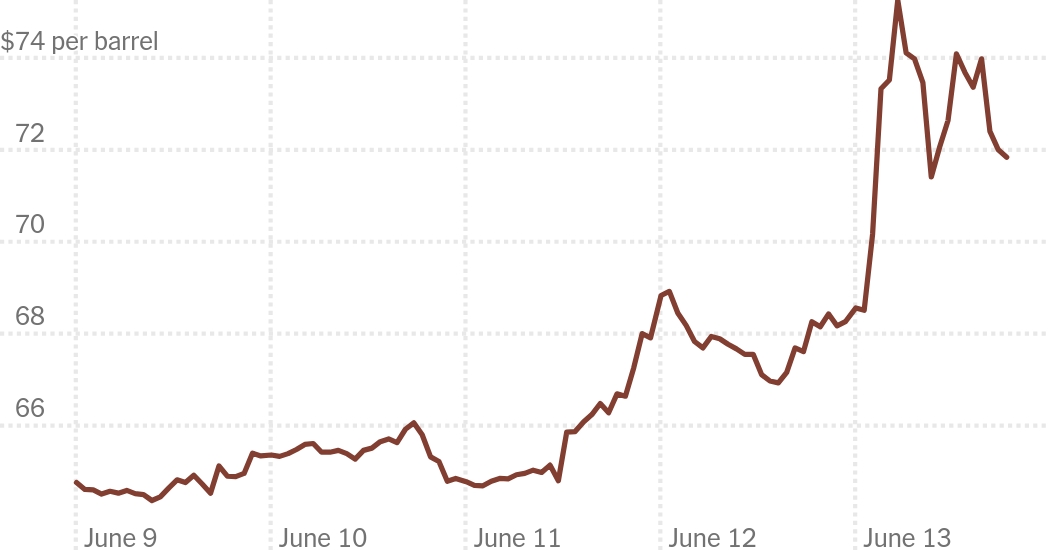
Brent crude oil prices have risen significantly to approximately $111 per barrel, amid ongoing uncertainty regarding the resolution of the current conflict. This increase follows reports of former U.S. President Donald Trump's dissatisfaction with the Iranian proposal to end the war. This situation reflects the ongoing tensions in the global energy market and their impact on prices.
Forecasts suggest that oil prices may continue to rise as geopolitical uncertainties persist. Any escalation in the conflict or instability in the Middle East could lead to increased demand for oil, thereby driving prices even higher.
Details of the Event
Futures contracts for Brent oil for June have risen to $111, reflecting investor concerns about potential developments in the conflict. Reports indicate that Trump is unhappy with the Iranian proposal, which adds to the uncertainty in the market. This rise comes at a sensitive time as the world seeks to recover from the impacts of the COVID-19 pandemic.
Oil is one of the key factors influencing the global economy, and any changes in its prices can directly affect numerous sectors. In this context, investors are closely monitoring any developments that may impact prices in the future.
Background & Context
Historically, oil prices have experienced significant fluctuations due to geopolitical events. Conflicts in the Middle East, such as the wars in Syria and Iraq, have had direct impacts on oil prices. Additionally, the relationship between the United States and Iran has always been a focal point in the energy market, as any escalation in these relations can lead to substantial price increases.
In recent years, we have witnessed significant changes in global energy policy, as countries strive to reduce their dependence on oil. However, oil still plays a vital role in the global economy, making any changes in its prices of great importance.
Impact & Consequences
The rise in oil prices has wide-ranging effects on the global economy. It can lead to increased transportation and production costs, which in turn affects market prices. Additionally, oil-importing countries may face economic pressures as a result of these increases, potentially leading to a slowdown in economic growth in some regions.
Moreover, this increase in prices can influence the economic policies of countries, as governments may need to take measures to mitigate the impact of rising prices on citizens. In this context, it is crucial for Arab countries to monitor oil market developments and their impact on their economies.
Regional Significance
Arab countries are among the largest oil producers in the world, and thus any changes in prices directly affect their economies. Rising prices may have a positive impact on oil-exporting countries, as it can lead to increased revenues. However, at the same time, these countries must be cautious of future market fluctuations.
Under these circumstances, it is important for Arab countries to adopt diverse development strategies to reduce reliance on oil as a primary source of revenue. There should also be efforts to enhance cooperation among Arab countries in the energy sector to ensure market stability.