The price of crude oil has seen a significant rise, reaching $150, as the deadline set by U.S. President Donald Trump for Iran approaches. This increase in prices comes at a sensitive time, as global markets seek price stability amid rising geopolitical tensions.
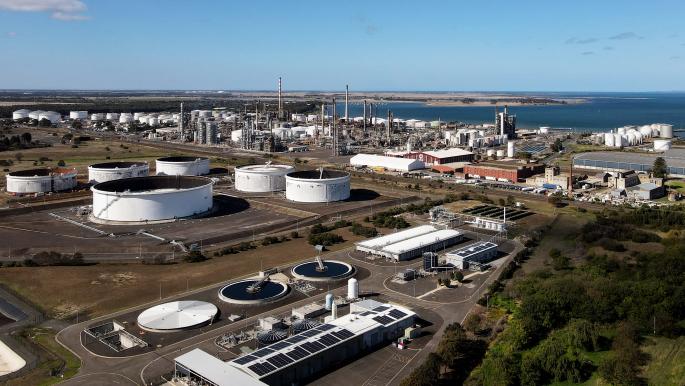
This price surge directly impacts oil refineries, which find themselves compelled to pay record prices for crude oil. This situation arises amidst ongoing tensions between the United States and Iran, which could affect global oil supplies.
Details of the Event
The pace of rising oil prices has accelerated as the deadline set by Trump nears, raising fears of potential new sanctions against Iran. Such sanctions could lead to a reduction in Iranian oil supplies, increasing pressure on the global market.
Reports indicate that demand for oil remains strong, particularly from major Asian countries such as China and India. This robust demand, coupled with concerns over supply shortages, has contributed to pushing prices to record levels.
Background & Context
Historically, oil prices have been significantly influenced by geopolitical tensions, especially in the Middle East. Since the United States withdrew from the nuclear deal with Iran in 2018, markets have experienced considerable volatility in oil prices.
Iran is considered one of the largest oil producers in the world, and any reduction in its production could lead to a rise in prices globally. Therefore, any developments in U.S.-Iranian relations directly impact oil markets.
Impact & Consequences
The rise in oil prices could have widespread economic repercussions. Oil-importing countries may face economic pressures due to increased energy costs, which could affect economic growth.
On the other hand, oil-producing countries may benefit from this price increase, as it can boost their revenues and help improve their public budgets. However, these countries must be cautious, as significant price hikes could lead to a decline in future demand.
Regional Significance
Arab oil-producing countries, such as Saudi Arabia and the UAE, are among the main beneficiaries of rising oil prices. These countries heavily rely on oil revenues to finance their development projects.
However, these nations must consider the impact of rising prices on the global economy, as any slowdown in economic growth could affect oil demand and, consequently, their revenues.
In conclusion, the future of oil prices remains tied to geopolitical developments, particularly in the Middle East. Investors and analysts must closely monitor these developments to understand future market trends.