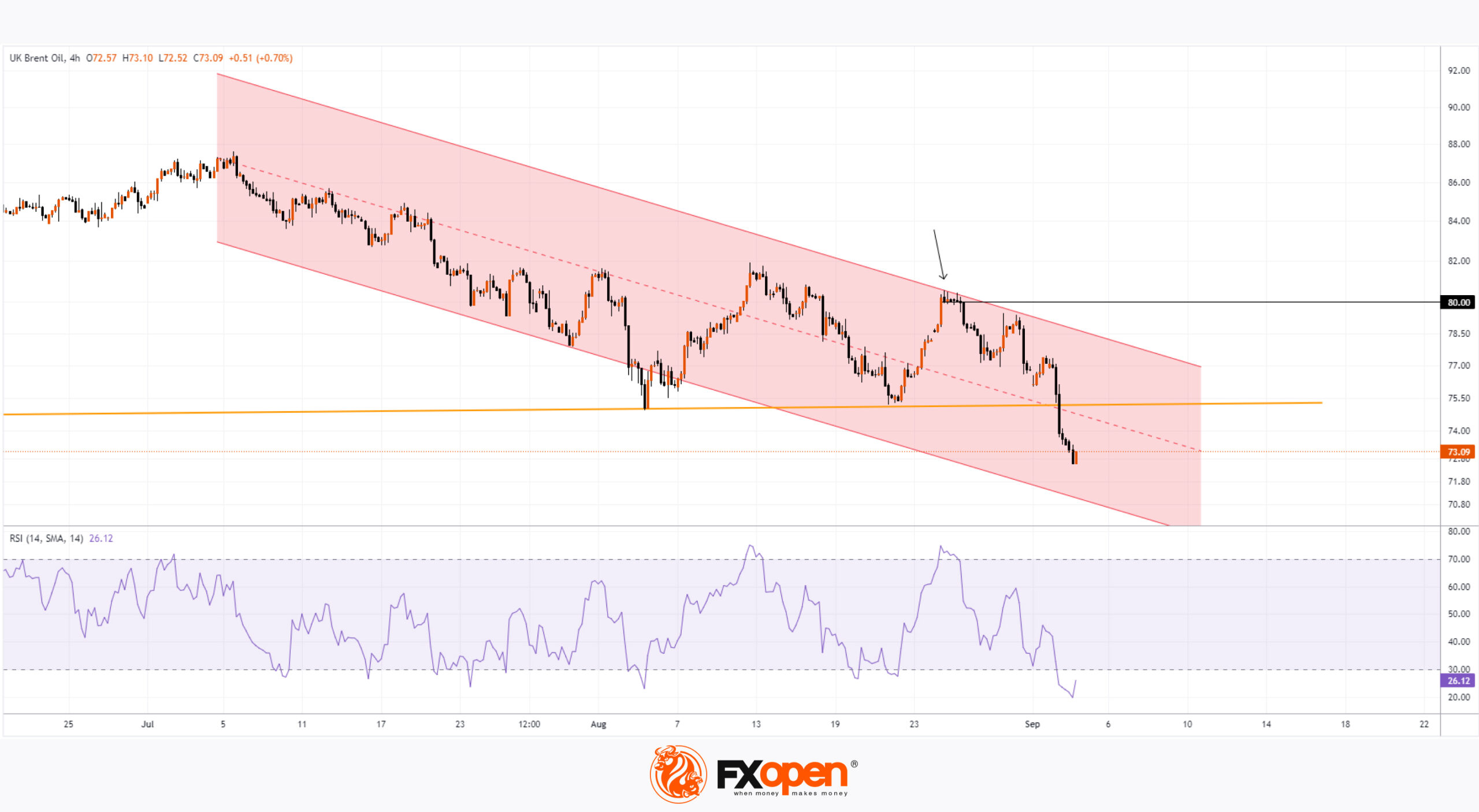
Oil prices are projected to keep rising until the Strait of Hormuz is reopened for shipping. This increase occurs at a time when the global market is experiencing heightened tensions, raising concerns about the stability of oil supplies.
Oil prices are considered a crucial economic indicator that impacts the global economy, with the Arabian Gulf region, particularly the Strait of Hormuz, being a vital point for oil transportation. Approximately 20% of the world's total oil supplies pass through this strait, making any disruption in this area have far-reaching effects.
Details of the Current Situation
In recent weeks, oil prices have seen a significant rise, heading towards the largest monthly increase in history. This surge is occurring amid escalating geopolitical tensions in the region, leading to fears of supply disruptions. Data has shown that Brent crude prices have increased by about 15% this month, reflecting the growing anxiety in the markets.
Price pressures are mounting due to ongoing tensions among oil-producing countries, as well as challenges faced by some nations in oil production. Additionally, global demand for oil remains strong, further increasing the pressure on prices.
Background & Context
Historically, oil prices have experienced significant fluctuations due to political and economic events in the region. The Strait of Hormuz, which connects the Arabian Gulf to the Gulf of Oman, is a crucial transit point for oil, and any threats or closures in this strait can lead to sharp price increases. In recent years, we have witnessed several crises that have resulted in price hikes, such as tensions between Iran and the United States, and civil wars in some oil-producing countries.
For instance, in 2019, oil prices surged significantly following attacks on Saudi oil facilities, leading to a temporary reduction in production. These events underscore the importance of regional stability and its direct impact on the global market.
Impact & Consequences
The ongoing rise in oil prices could have negative effects on the global economy, as it may lead to increased transportation and production costs, which will reflect on the prices of goods and services. Moreover, oil-importing countries may face economic pressures due to rising energy costs, potentially affecting economic growth.
On the other hand, oil-producing countries may benefit from these increases, as their revenues from oil exports will rise. However, these countries must be cautious about over-reliance on oil as a primary source of revenue, especially in light of global shifts towards renewable energy.
Regional Significance
For Arab countries, rising oil prices can have varied effects. Oil-rich nations like Saudi Arabia and the UAE may benefit from increased revenues, allowing them to boost development and investment projects. Conversely, countries that rely on oil imports may face economic challenges due to rising prices.
Additionally, regional tensions may impact political stability, increasing economic risks. Therefore, Arab nations should work on diversifying their economies and reducing reliance on oil as a primary revenue source.