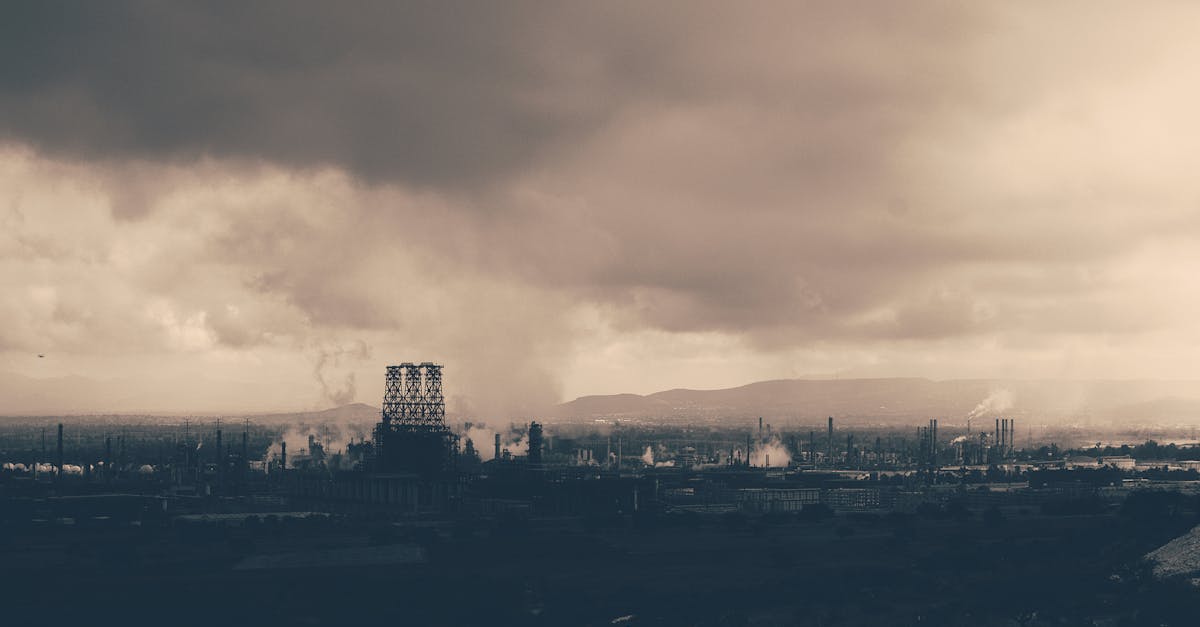
Reports indicate that oil-producing countries in the Arabian Gulf have reduced their output by between 25% and 80% since the onset of the conflict in the Middle East. This decline comes at a critical time, as the Strait of Hormuz is a key transit point for nearly one-quarter of global oil trade. This situation raises concerns about the stability of global energy markets and its impact on the world economy.
Data shows that the conflict has significantly affected the ability of Gulf countries to export oil, leading to a substantial reduction in production. This conflict is considered one of the most complex in the region, involving the interests of several countries and a long history of tensions.
Details of the Event
Since the beginning of the conflict, oil prices have experienced sharp fluctuations, with prices rising during certain periods due to fears of supply shortages. However, the reduction in production may lead to price stabilization in the long term if producing countries continue to cut output.
The Arabian Gulf region is one of the most important oil-producing areas in the world, with countries like Saudi Arabia, the UAE, and Kuwait holding massive oil reserves. However, political and security conflicts can significantly impact the stability of this industry.
Background & Context
Historically, the Middle East has witnessed numerous conflicts that have affected the oil industry. For example, the Gulf War in the 1990s led to significant disruptions in global oil markets. Ongoing conflicts in Iraq and Syria have also impacted oil production in those countries.
In recent years, there have been international efforts to reduce production to support prices, but current conflicts may reshape these dynamics. The ability of countries to export oil heavily depends on political and security stability in the region.
Impact & Consequences
The decline in oil production can have negative effects on the global economy, as many countries rely on oil as a primary energy source. Rising oil prices can lead to increased living costs in many nations, affecting the global economy as a whole.
Moreover, the reduction in production may increase tensions among producing countries, as each nation seeks to maintain its market share. This situation could lead to further conflicts in the future.
Regional Significance
For Arab countries, the decline in oil production may impact economies that heavily rely on oil revenues. Some nations may face difficulties in meeting their financial needs if this trend continues.
At the same time, this situation could create new opportunities for countries seeking to diversify their economies away from oil, potentially contributing to enhanced economic sustainability in the region.
In conclusion, the current conflict in the Middle East highlights the challenges facing the global oil industry and underscores the importance of political and security stability in the region to ensure sustainable production.