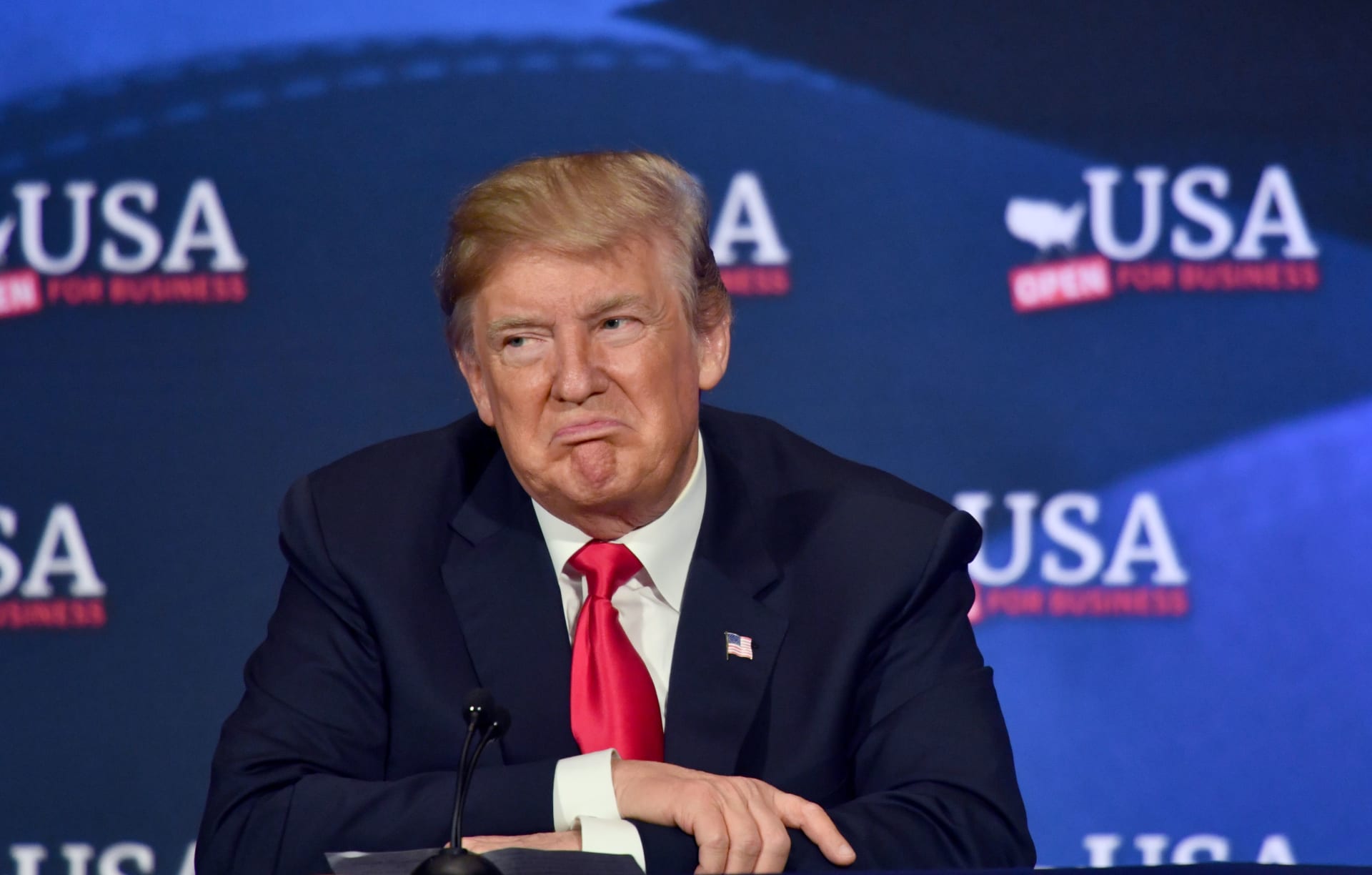
In a controversial move, oil traders placed massive bets exceeding $500 million in futures contracts just minutes before U.S. President Donald Trump announced 'good and productive' talks with Iran. This announcement, made at a sensitive time, led to a sharp decline in oil prices, raising questions about the timing of these transactions.
Data indicates that thousands of contracts for Brent and West Texas Intermediate were traded intensively before the statement, causing concern in financial markets about the possibility of illegal insider trading. One portfolio manager commented on the situation, saying, 'My feeling is that this is really abnormal. It seems that someone has suddenly become much richer.'
Details of the Event
These developments come at a time when U.S.-Iranian relations are increasingly strained. Iran has denied any talks with the United States, accusing Trump of attempting to manipulate oil and financial markets through his statements. This assertion reflects a state of uncertainty dominating the markets, as investors seek to understand the impact of these events on global oil prices.
The precise timing of these transactions raises suspicions about whether some traders had prior information, which could be considered a violation of trading laws. Under these circumstances, many are questioning the integrity of financial markets and the extent to which political statements influence price movements.
Background & Context
Historically, oil markets have witnessed numerous events that significantly impacted prices. Geopolitical tensions, such as conflicts in the Middle East, play a pivotal role in determining prices. In recent years, Iran has been a key player in these dynamics, especially following the U.S. withdrawal from the nuclear agreement in 2018.
Since then, the United States has imposed strict sanctions on Iran, affecting its oil exports and leading to significant market volatility. In this context, any statement from Trump regarding Iran is considered a significant factor influencing price movements, prompting traders to be more cautious and encouraging them to make swift decisions.
Impact & Consequences
These events could lead to widespread ramifications in global markets. If it is proven that there was illegal insider trading, it may increase pressure on regulatory bodies in financial markets. Additionally, the drop in oil prices resulting from these statements could impact the economies of oil-producing countries, creating a state of economic instability.
Moreover, these events could escalate tensions between the United States and Iran, which may negatively affect regional security. Under these circumstances, countries may resort to measures to protect their economic interests, further complicating the geopolitical landscape.
Regional Significance
The Arab region is among the most affected by fluctuations in oil prices. Gulf countries, which heavily rely on oil revenues, may face economic challenges if prices continue to decline. Furthermore, any escalation in tensions between the United States and Iran could impact security and stability in the region, increasing risks for neighboring countries.
Ultimately, the question remains about how these events will affect financial markets and local economies. Investors and analysts must closely monitor developments, as any changes in policies or statements could lead to significant shifts in the markets.