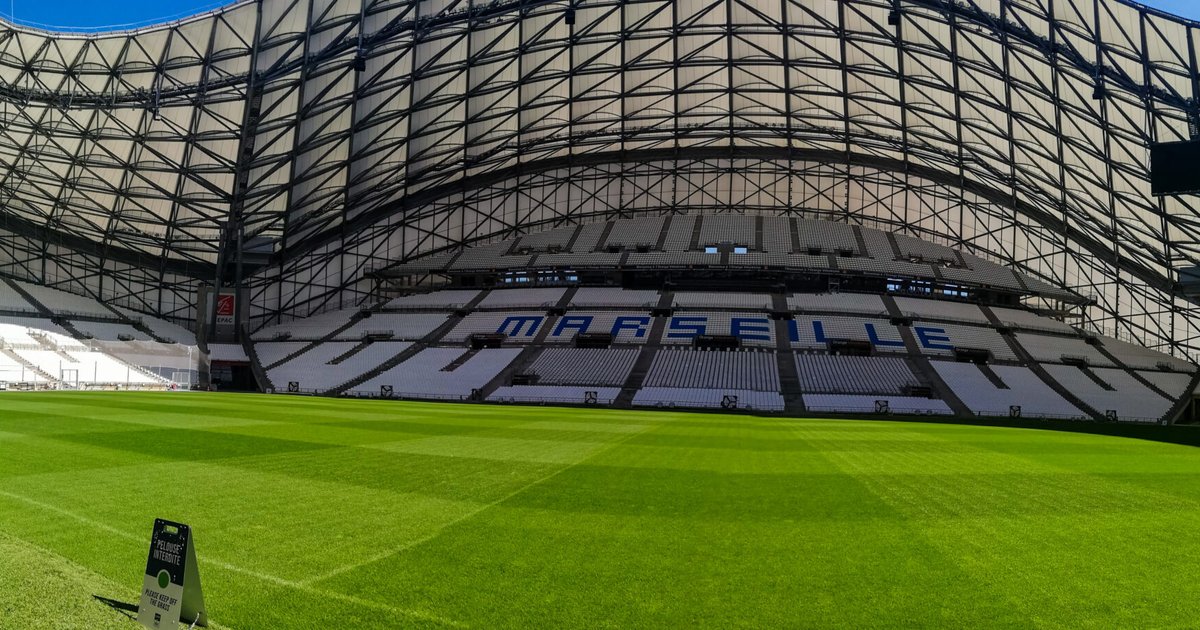
For the first time in the history of Olympique Marseille, the women's team played a match at the Velodrome, the home ground of the men's first team, last Saturday. The match was against Montpellier, and although Olympique Marseille lost the game with a score of 1-2, this step is considered a milestone in the club's history.
This match comes at a critical time for the club, as the men's team is striving to stay in Ligue 1. However, the participation of the women in this stadium reflects the significant progress in supporting women's football in France.
Event Details and Atmosphere
The match witnessed an enthusiastic atmosphere, with a large number of fans attending to support the women's team. The players expressed their happiness about playing in this historic stadium, considering it a "childhood dream" come true. This step demonstrates the club's commitment to promoting women's football and providing opportunities for women in this field.
Despite the loss, the strong performance of the team impressed the fans, reflecting the development of women's football at the club. The coach showed her support for the players, noting that this experience will help them grow and develop in the future.
Background & Context
Historically, women's football has suffered from a lack of support and attention compared to men's football. However, in recent years, major clubs in Europe, such as Olympique Marseille, have started investing in women's teams. This shift reflects a change in sports culture, with increasing recognition of the importance of women's football.
In France, women's football represents an increasingly important part of the sports scene, with local and international competitions witnessing a rise in the number of fans and participants. Additionally, the success of the French women's national team in international tournaments has contributed to enhancing this trend.
Impact & Consequences
This step by Olympique Marseille is a positive move towards promoting women's football, as it can inspire other clubs in France and beyond to adopt a similar approach. Playing in the men's stadium shows that women's football deserves the same attention and support, which could lead to increased investments in this area.
This experience may also contribute to changing the stereotype surrounding women's football, demonstrating to fans that women can compete at the highest levels in competitive environments.
Regional Significance
In the Arab region, women's football still faces significant challenges, but there are signs of change. Many Arab countries have begun developing programs to support women's football, reflecting a growing interest in enhancing the role of women in sports. The experience of Olympique Marseille could serve as an inspiration for Arab clubs to adopt a similar approach, potentially contributing to the development of women's football in the region.
In conclusion, the entry of the women's team of Olympique Marseille into the Velodrome stadium is a historic step that reflects progress in supporting women's football. This step is not just a sports event, but part of a larger movement towards achieving equality in sports.