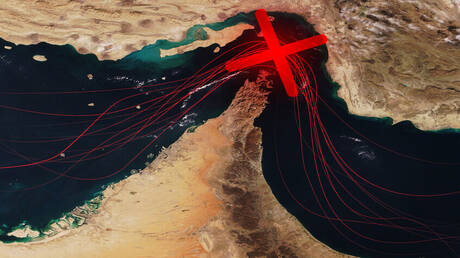
Oman and Iran explored ways to ensure smooth passage through the Hormuz Strait, which is one of the most important maritime routes in the world. This meeting comes against the backdrop of escalating tensions in the region, with Tehran having nearly closed the strait since the onset of the war in the Middle East, negatively impacting global trade.
The Hormuz Strait is a vital transit point for oil and natural gas, with approximately 20% of the world's total oil supply passing through it. Officials in Tehran indicated that this step is part of enhancing bilateral cooperation with Oman, which plays an important role as a mediator in the region.
Details of the Meeting
The meeting between the two sides took place in the Omani capital, Muscat, where discussions focused on enhancing maritime security and ensuring the movement of ships through the strait. Both sides emphasized the importance of maintaining stability in the region and called for comprehensive dialogue among all concerned parties.
Challenges facing maritime navigation were also addressed, including potential threats from armed groups in the area. Both sides expressed their readiness to work together to confront these challenges and ensure the safety of navigation.
Background & Context
Historically, the Hormuz Strait has witnessed numerous crises, serving as a major point of tension between Iran and Western countries. Since the outbreak of the war in the Middle East, fears of the strait's closure have increased, prompting concerned nations to seek diplomatic solutions.
Oman, which maintains good relations with both Iran and Western nations, consistently seeks to act as a bridge for communication among different parties. It has played a pivotal role in many previous negotiations, reflecting its status as a neutral country in the region.
Impact & Consequences
Any changes in maritime traffic through the Hormuz Strait affect global oil prices, potentially leading to fluctuations in financial markets. If Iran continues to close the strait, it could result in price increases and negatively impact the global economy.
Moreover, strengthening cooperation between Oman and Iran could help reduce tensions in the region, enhancing opportunities for peace and stability. This cooperation could serve as a model for other countries in the region facing similar challenges.
Regional Significance
These steps are crucial for neighboring Arab countries, as any escalation in the Hormuz Strait could affect regional security. Cooperation between Oman and Iran may contribute to enhancing maritime security, benefiting all countries bordering the Arabian Gulf.
In conclusion, dialogue and cooperation among nations remain the optimal path to ensure regional stability. The success of these negotiations could open new avenues for regional cooperation and bolster peace prospects in the Middle East.