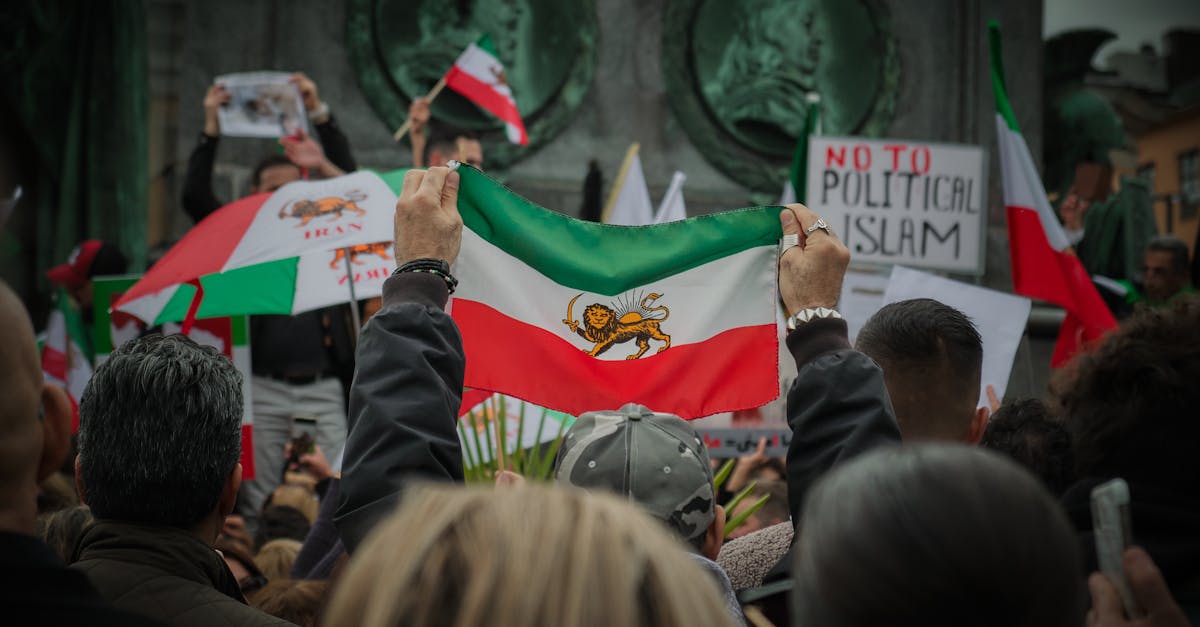
Israeli media sources have reported that the Israeli army has declared a state of maximum alert within its ranks, driven by fears of a possible return to war with Iran. This announcement comes at a time when the region is witnessing increasing tensions, heightening anxiety among military and political circles.
Reports indicate that the Israeli army has taken precautionary measures, including bolstering air defenses and intensifying military patrols along the borders. These steps are part of preparations to confront any potential threats from the Iranian side, which Israeli officials consider one of the biggest security challenges in the region.
Details of the Situation
Recently, the rhetoric between Iranian and Israeli officials has intensified, with Israeli military leaders warning that Iran may seek to further develop its nuclear program. In response, Tehran has reaffirmed its right to defend its sovereignty and security against these threats.
Moreover, recent events, including attacks on Iranian sites in Syria, have escalated tensions. The Israeli army is closely monitoring any Iranian movements in the region, considering that any escalation could lead to a full-scale military conflict.
Background & Context
Historically, relations between Iran and Israel have been marked by ongoing tensions, with each side viewing the other as an existential threat. Since the Iranian Revolution in 1979, the conflict between the two countries has become more complex, as Iran has supported armed groups hostile to Israel in the region, exacerbating the conflict.
In recent years, Israeli concerns over the Iranian nuclear program have intensified, with Tel Aviv accusing Tehran of seeking to acquire nuclear weapons. These fears have prompted Israel to carry out covert military operations against Iranian nuclear facilities, further increasing tensions between the two sides.
Impact & Consequences
If a new war were to break out between Iran and Israel, it would significantly impact the stability of the region. Any military confrontation could escalate the conflict in neighboring countries such as Syria and Lebanon, where armed groups supported by Iran are present.
The consequences of war could also include negative economic impacts on neighboring countries, along with an influx of refugees and heightened sectarian tensions. The international community would find itself in a difficult position, needing to take decisive stances regarding the potential conflict.
Regional Significance
Arab countries neighboring Israel and Iran find themselves in a precarious position, as they may be compelled to intervene or take specific stances if war breaks out. These nations could face security and economic challenges as a result of the conflict, potentially destabilizing their internal situations.
Ultimately, the situation in the region remains complex, with political and military interests intertwined. It is crucial for Arab nations to closely monitor the situation and work towards enhancing regional cooperation to avoid any potential escalation.