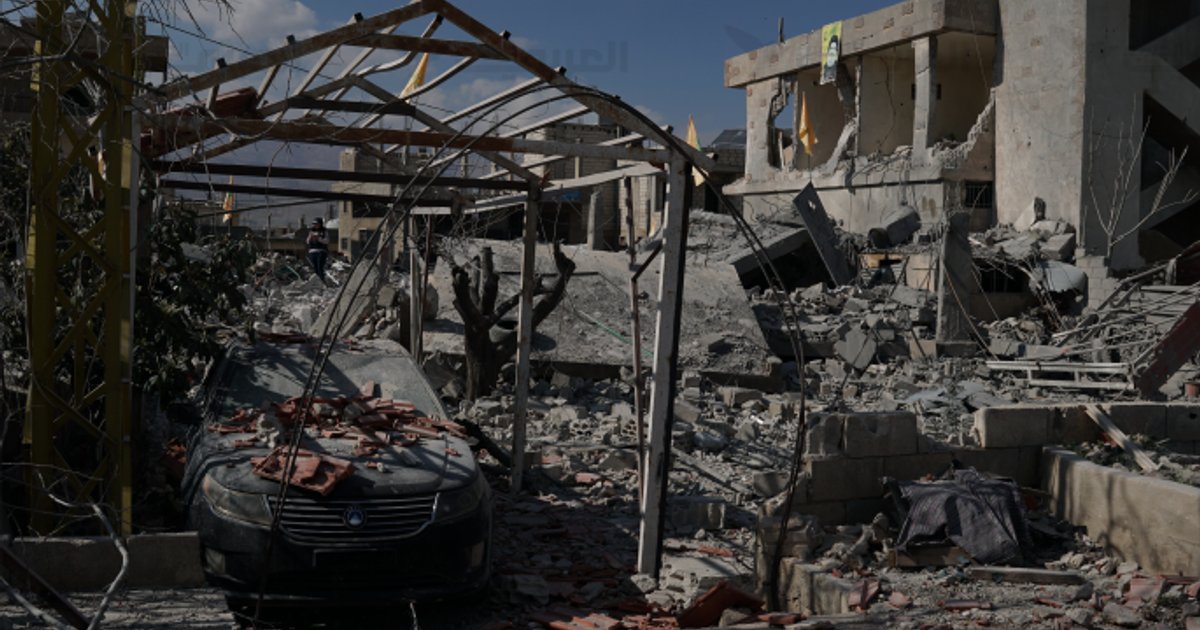
One month after the Israeli aggression against Lebanon, military operations have escalated, resulting in the deaths of more than 1,300 individuals and injuries to over 3,900 others. These events have led to the displacement of around 20% of the country's population, raising concerns about the deteriorating humanitarian situation.
Clashes continue in various Lebanese regions, with Israeli military operations focused on border areas, heightening tensions in the region. Meanwhile, hospitals are under significant pressure due to the increasing number of injured, necessitating urgent humanitarian interventions.
Details of the Conflict
Since the onset of the aggression, Lebanese areas have experienced intense bombardment, with Israeli warplanes targeting infrastructure and residential areas. Advanced weaponry has been employed, leading to widespread destruction in many cities and villages. Reports indicate that the aggression has not only targeted military objectives but has also affected civilians, exacerbating the suffering of the Lebanese people.
In a related context, humanitarian organizations have reported a deterioration in the humanitarian situation, with displaced individuals facing severe shortages of food and clean water. Health conditions in temporary camps are worsening, threatening the lives of many.
Background & Context
Historically, Lebanon has witnessed multiple conflicts with Israel, with the dispute dating back decades. The current aggression occurs against a backdrop of escalating regional tensions, particularly following recent events in Palestine. This military escalation also reflects the ongoing struggle for influence in the region, which is affected by various political and economic factors.
Analysts continue to link current events to previous developments, with many considering the Israeli aggression as part of a broader strategy aimed at strengthening control over the Lebanese border, raising fears of greater escalation in the future.
Impact & Consequences
The repercussions of the Israeli aggression on Lebanon will be far-reaching, not only on a humanitarian level but also on regional stability. These events are expected to exacerbate the economic and social crises in Lebanon, which is already suffering from multiple crises.
The military escalation may also affect relations between Lebanon and neighboring countries, increasing internal divisions. At the same time, it could lead to new diplomatic moves by the international community, although international action so far appears to be timid.
Regional Significance
The events in Lebanon are causing widespread concern in the Arab region, as they are seen as part of a series of conflicts affecting regional stability. Many Arab countries are closely monitoring the situation, as the escalation in Lebanon could have direct implications for the national security of neighboring states.
The situation in Lebanon highlights the urgent need for Arab efforts to unite in addressing common challenges, especially amid the multiple crises facing the region.
In conclusion, the situation in Lebanon remains complex, with an increasing need for urgent humanitarian and diplomatic efforts to alleviate human suffering and achieve lasting peace.