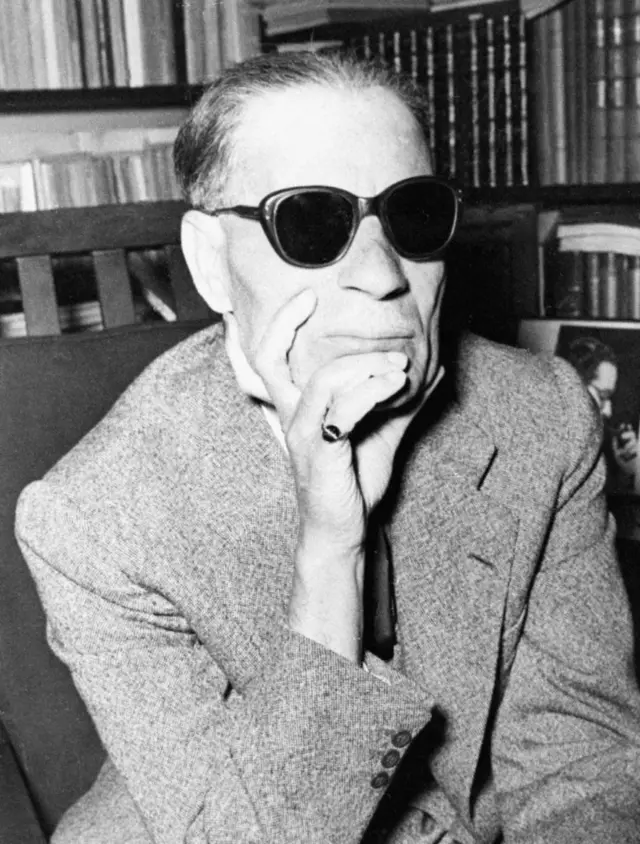
The debate surrounding Tahtawi's book 'In Pre-Islamic Poetry', published a century ago, continues to spark deep discussions about Arabic literature and its history. What has made this book a focal point for such controversy?
The book was published in 1926, and Tahtawi, who was 36 years old at the time, played a prominent role in stirring discussions about ancient Arabic poetry. The book was not just a literary study; it was a challenge to the traditional standards that prevailed at that time. Through it, Tahtawi sought to reconsider the Arabic literary heritage, leading to varied reactions among intellectuals and critics.
Details of the Event
'In Pre-Islamic Poetry' is considered one of the most significant literary works that sparked widespread controversy in the Arab world. In it, Tahtawi presented a new perspective on pre-Islamic poetry, questioning some texts that were considered sacred. This challenge to heritage was not easy; Tahtawi faced sharp criticism from some cultural and religious circles, which deemed his propositions to be in conflict with Islamic and Arab values.
Despite the criticisms, the book achieved great success and became a reference for many researchers and scholars. Tahtawi employed a distinctive literary style, combining literary criticism with historical analysis, which made his work unique.
Context and Background
The publication of the book coincided with a period of cultural and social transformations in Egypt and the Arab world. This period witnessed the rise of the national movement and an increase in cultural awareness among the youth. Tahtawi, who belonged to a generation of intellectuals striving to modernize Arab thought, was able to raise new issues related to identity and heritage.
Moreover, the book emerged at a time when literary studies in the Arab world needed renewal. Tahtawi was among the first to call for the use of modern critical methodologies, contributing to a change in how Arabic literature was studied.
Impact and Consequences
'In Pre-Islamic Poetry' had a profound impact on subsequent generations of writers and critics. It inspired many authors to explore the Arab heritage critically, leading to the emergence of new works that addressed ancient Arabic poetry from different angles. The book also contributed to the idea that Arabic literature could be studied using modern methods.
The influence extended beyond literature; it reached other fields such as history and philosophy. Tahtawi demonstrated that literature is not merely texts but part of the cultural and political identity of the nation. This understanding helped shape a new consciousness among Arab intellectuals.
Significance in the Arab Region
'In Pre-Islamic Poetry' remains a starting point for many discussions about Arab identity and heritage. In light of the political and social changes occurring in the region, the book remains an important reference for understanding how literature influences cultural identity. It also reflects the ongoing struggle between tradition and modernization in Arab thought.
In conclusion, Tahtawi's book 'In Pre-Islamic Poetry' stands as a landmark in the history of Arabic literature. The controversy it sparked continues, indicating the book's significance in shaping modern Arab thought.