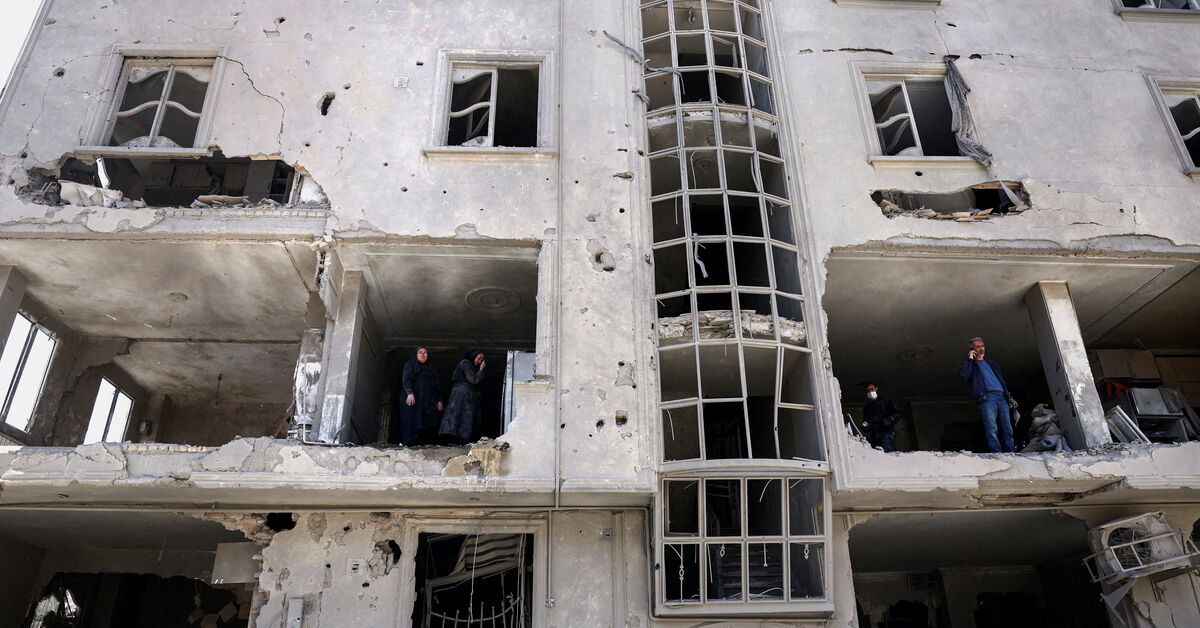
The International Monetary Fund (IMF) has issued a recent report warning that the war that erupted in the Middle East, starting with military strikes by the United States and Israel against Iran on February 28, has caused severe economic disruptions for developed countries in the region. The report indicates that this war leads to unequal global economic impacts, complicating financial conditions in many countries that had just begun to recover from previous crises.
In a blog published by senior economists at the IMF, it was emphasized that the war creates a global economic shock, but its effects vary from country to country. Neighboring countries to Iran are particularly suffering from the repercussions of this war, threatening their economic stability and increasing financial pressures on governments and businesses.
Details of the Event
These warnings come at a sensitive time, as many countries in the Middle East had begun to recover from the effects of the COVID-19 pandemic and previous economic crises. However, the escalation of military tensions in the region could exacerbate economic conditions, negatively affecting expected economic growth.
Estimates suggest that countries affected by the war may face difficulties attracting foreign investments, increasing the risks of economic recession. Additionally, rising oil prices due to military tensions could impact production costs across various sectors, leading to increased inflation.
Background & Context
Historically, the Middle East has witnessed numerous military conflicts that have significantly affected the global economy. Wars in Iraq and Syria, for example, led to deteriorating economic conditions in those countries and impacted regional stability. Today, the war against Iran adds to the list of conflicts threatening stability in the region, raising concerns among economists about the potential for new crises.
Since the beginning of the year, there have been signs of economic recovery in some Arab countries, but the current war could reverse these gains. Countries that rely on oil as a primary source of revenue may find themselves in a difficult position if oil prices continue to rise due to the conflict.
Impact & Consequences
The impacts of the war extend beyond geographical borders, as the global economy is closely interconnected. Any economic shock in the Middle East can affect global financial markets, leading to fluctuations in stock and currency prices. Furthermore, increased military tensions may lead to a decline in investor confidence, negatively impacting financial markets.
Moreover, countries that depend on tourism as a primary source of revenue may face significant challenges. As tensions rise, tourists may avoid visiting the region, adversely affecting the local economy and increasing unemployment rates.
Regional Significance
For Arab countries, the impact of the war in the Middle East could be profound. Neighboring countries to Iran, such as Iraq and Syria, may suffer direct repercussions from the conflict. Additionally, Gulf countries that rely on oil may find themselves in a challenging position if oil prices continue to rise.
Ultimately, Arab countries must take proactive steps to mitigate the effects of this war on their economies. It is essential to enhance regional economic cooperation and develop new strategies to address future crises.