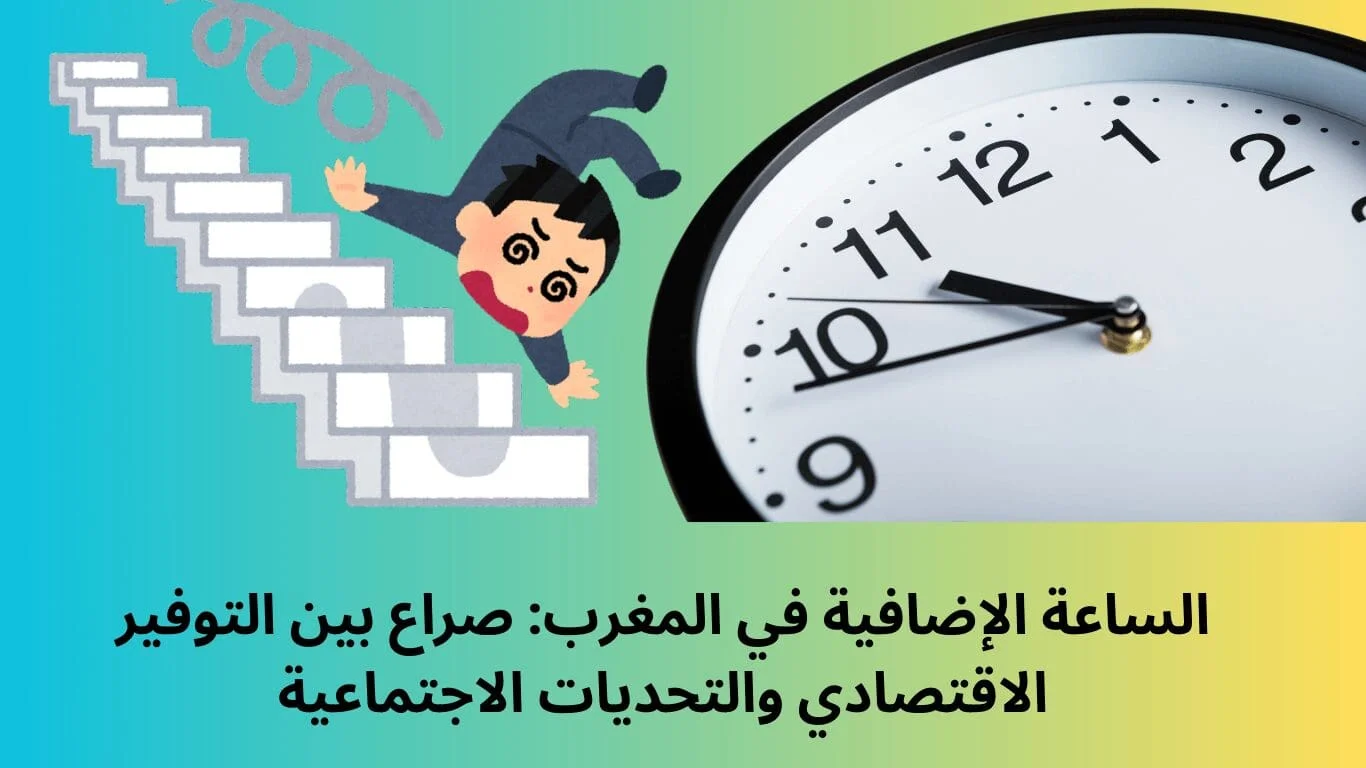
Moroccan citizens have launched a widespread online campaign against the implementation of the "daylight saving time" system, which sparks annual controversy. Many influencers on social media platforms have joined this campaign, expressing their rejection of this timing by posting images of themselves with tape over their mouths, symbolizing their inability to voice their opinions.
The number of signatures on the petition opposing the "daylight saving time" system has surpassed 250,000, reflecting the extent of public dissatisfaction with this system. Despite this momentum, there remains a clear governmental disregard for the citizens' demands, intensifying the debate surrounding this issue.
Details of the Campaign
Every year, discussions about "daylight saving time" resurface in Morocco, with many calling for its abolition due to its negative impact on daily life. Many believe that this system disrupts work and study schedules, adversely affecting the mental and physical health of citizens.
The recently launched online campaign showcases the level of discontent with this system, as numerous images and videos have circulated showing citizens expressing their rejection. Various hashtags have been launched on social media platforms, contributing to increased awareness around this issue.
Background & Context
The "daylight saving time" system has been in place in Morocco for several years as part of the government's efforts to conserve energy and improve productivity. However, numerous studies indicate that this system has not achieved the desired goals and has instead exacerbated social and psychological problems.
Historically, many Arab countries have witnessed similar discussions regarding work timing, implementing various systems in an attempt to balance work and life. However, experiences have shown that sudden changes in timing can lead to counterproductive results.
Impact & Consequences
If the government continues to ignore citizens' demands, it may lead to increased public discontent, which could negatively impact social and political stability in the country. Additionally, the continued implementation of the "daylight saving time" system may affect overall productivity, as employees and students feel fatigue and exhaustion due to the constant changes in their schedules.
This campaign serves as a call for the government to listen to the voice of the people and may open the door for further discussions on other issues affecting citizens' daily lives.
Regional Significance
The issue of "daylight saving time" in Morocco exemplifies the challenges faced by many Arab countries regarding time and work organization. Many nations suffer from similar problems related to work timing and its impact on daily life.
This campaign highlights the importance of listening to citizens' demands and the necessity of engaging with their issues, which may contribute to building trust between governments and peoples in the region.
In conclusion, the issue of "daylight saving time" in Morocco remains one that requires serious attention from the government, as ignoring citizens' demands could lead to negative repercussions at the social and political levels.