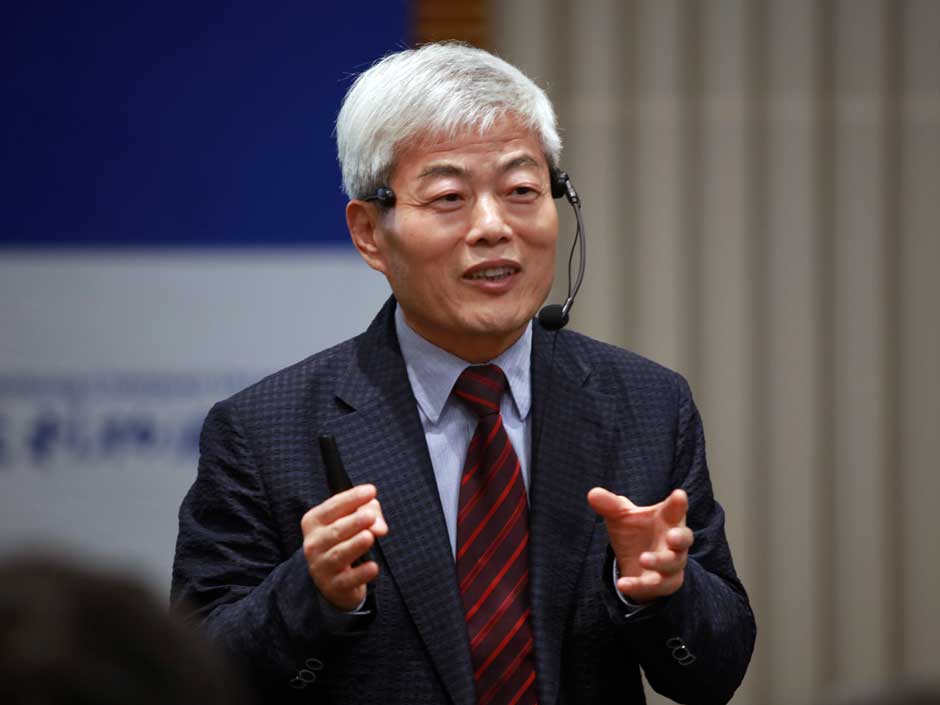
The XJTLU University, in partnership with the CP Group, has officially opened the XJTLU Syntegrative Education Centre in the Thai capital, Bangkok. This opening is part of ongoing efforts to enhance practical education and develop the skills necessary to meet the challenges of the job market.
The new center aims to provide short and flexible educational programs, including micro-credentials focused on human resource development. Additionally, the center will implement research and development projects in collaboration with the CP Group, thereby enhancing students' opportunities for direct practical experience.
Event Details
The inauguration ceremony was attended by several prominent figures, including Professor Xiaojun Zhang, the education officer at XJTLU, and Dr. Thiraphon Tanomsakyo, the sustainability and strategic development officer at CP Group. Professor Zhang emphasized the importance of collaboration between the two institutions, noting that students will work on real projects related to CP Group as part of their educational experience.
For his part, Dr. Tanomsakyo affirmed that this collaboration will contribute to developing a more responsive educational system that meets market needs by integrating academic expertise with business requirements.
Background & Context
XJTLU is one of the largest universities combining Chinese and foreign education in China, offering innovative educational programs aimed at equipping students with the knowledge and skills necessary to face modern challenges. Established in 2006, the university has become a leading center in higher education.
The CP Group, one of the largest business conglomerates in Thailand, operates in various sectors, including agriculture, industry, and commerce. Founded in 1921, the group has a long history of providing high-quality products and services.
Impact & Consequences
The opening of the XJTLU Syntegrative Education Centre represents a significant step towards enhancing practical education in Thailand. By providing flexible educational programs, students and professionals can continue learning without affecting their studies or jobs. This new educational model may encourage more educational institutions to adopt similar approaches.
Furthermore, the collaboration between the university and the business group reflects the importance of partnerships between the academic and private sectors in developing youth skills, contributing to strengthening the local economy and increasing job opportunities.
Regional Significance
This initiative could serve as a model for Arab countries, where many nations face challenges in their education systems and job markets. By fostering collaboration between universities and companies, the quality of education can be improved to better meet market needs.
In light of the rapid changes in the job market, developing practical skills is essential for Arab students, making such initiatives particularly significant.