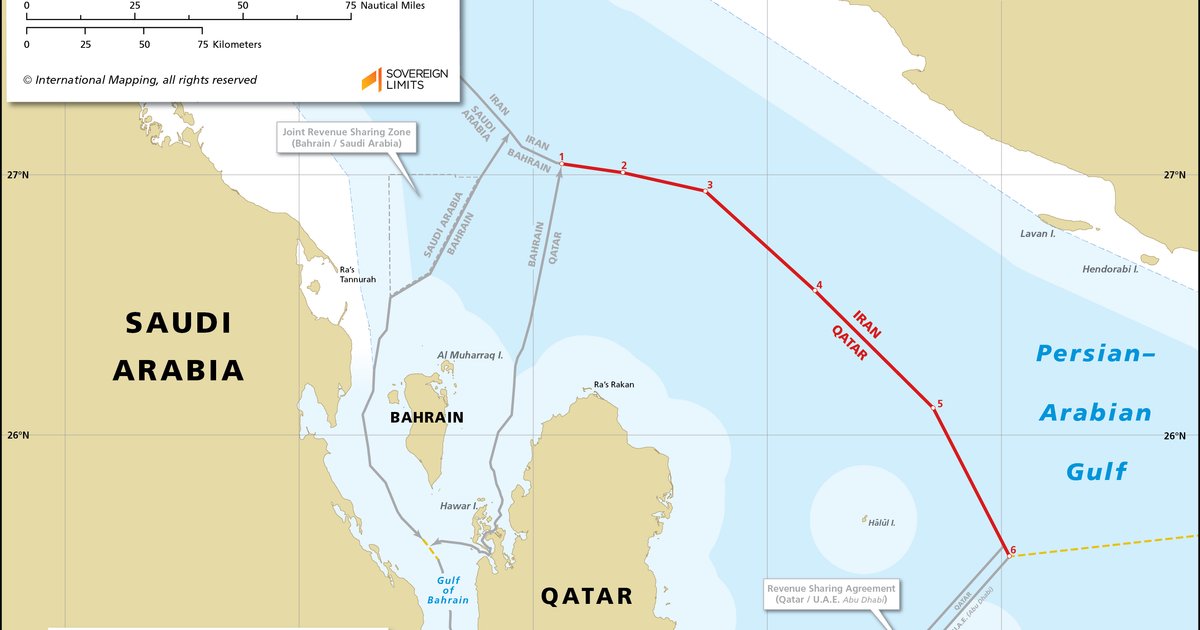
In a phone conversation between Qatari Prime Minister and Foreign Minister Sheikh Mohammed bin Abdulrahman Al Thani and Iranian Foreign Minister Abbas Araghchi, the importance of opening maritime corridors and not using them as tools for pressure or bargaining was emphasized. This call reflects a positive trend towards enhancing cooperation between the two countries amid current regional challenges.
During the discussion, joint efforts aimed at achieving peace and security in the region were reviewed. Sheikh Mohammed bin Abdulrahman highlighted the necessity for all concerned parties to respond to these efforts, reflecting Qatar's commitment to supporting regional stability.
Details of the Event
This call comes at a sensitive time for the region, where tensions are increasing in certain maritime points. The officials underscored the importance of cooperation in maritime security, especially given the challenges facing maritime navigation in the Arabian Gulf. They also discussed the significance of dialogue between countries to ensure the safety of maritime corridors.
Other regional issues affecting security and stability were also addressed, with both sides expressing concern over recent escalations in certain areas. They affirmed the need for joint action to confront these challenges.
Background & Context
Historically, maritime corridors in the Arabian Gulf have been the focal point of numerous conflicts and tensions. These corridors are vital for global trade, making them targets for various regional and international powers. In recent years, tensions have escalated between Iran and Gulf countries, increasing the importance of dialogue and cooperation.
Qatar, which plays a significant role in regional politics, continually seeks to strengthen relations with its neighbors. Doha has shown flexibility in dealing with regional issues, positioning itself as a potential mediator in many conflicts.
Impact & Consequences
Opening maritime corridors and not using them as a means of pressure could contribute to reducing tensions in the region. Furthermore, enhancing cooperation between Qatar and Iran may open new avenues for economic and political collaboration. This cooperation could lead to improved relations among Gulf states, positively impacting regional security.
These positive steps are expected to affect trade and navigation in the Gulf, contributing to market stability. Additionally, ongoing dialogue between the two countries may yield favorable outcomes in unresolved issues.
Regional Significance
These steps are crucial not only for Qatar and Iran but for the entire Arab region. Amid increasing tensions, any efforts to promote cooperation and peace can have positive effects on neighboring countries. The stability of the Arabian Gulf is vital for Arab national security.
In conclusion, this phone call stands out as an important step towards enhancing dialogue and cooperation between the two countries, potentially contributing to achieving peace and stability in the region.