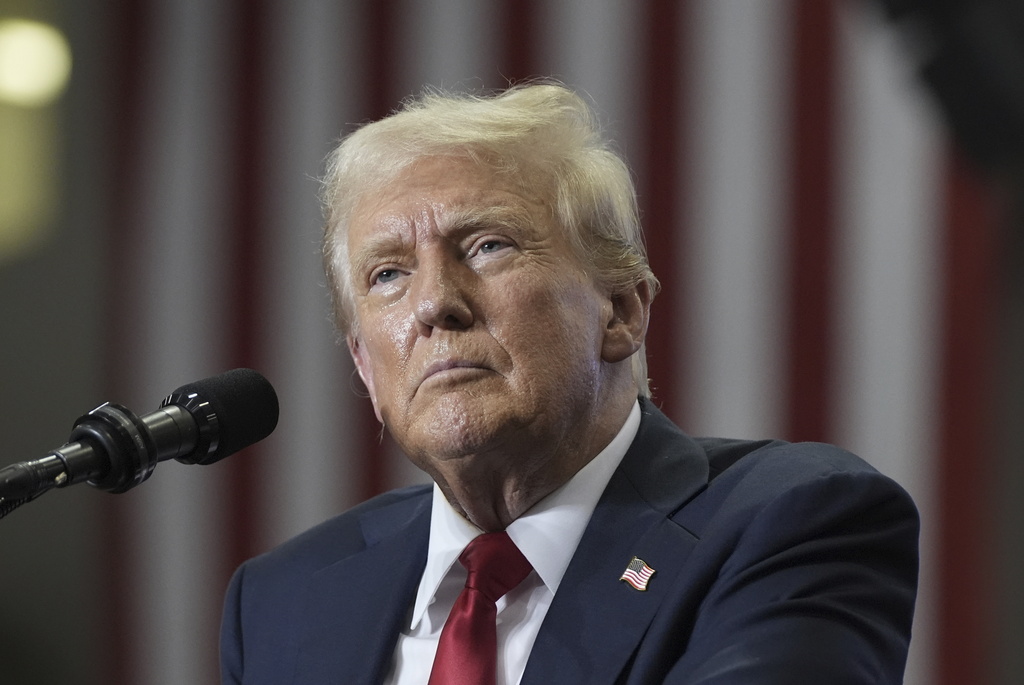
As tensions rise between the United States and Iran, questions arise about former President Donald Trump's potential role in saving the Iranian regime. These inquiries come at a sensitive time marked by significant geopolitical changes worldwide.
Concerns are growing that current U.S. policies may exacerbate conditions in the region, reminiscent of Trump's presidency, which saw radical changes in international relations. His tenure was filled with controversial decisions that had a significant impact on regional stability.
Details of the Situation
Attention is now focused on how the upcoming U.S. presidential elections will affect relations with Iran. As the elections approach, discussions about Trump's possible return to the White House are increasing, which could alter the course of events in the region. If Trump returns, he may adopt new policies toward Iran, potentially impacting the stability of the Iranian regime.
At the same time, Iran continues to bolster its military and nuclear capabilities, heightening tensions with the West. Some analysts have suggested that Trump might have the ability to reopen channels of dialogue with Tehran, which could contribute to easing tensions.
Background & Context
The history of U.S.-Iranian relations is fraught with tensions and conflicts. Since the Iranian Revolution in 1979, relations between the two countries have deteriorated continuously. The economic sanctions imposed on Iran have complicated the situation further, prompting the Iranian regime to seek new ways to survive.
During Trump's presidency, the United States withdrew from the Iranian nuclear deal, significantly escalating tensions. This move was seen by many as a severe blow to the Iranian regime, which relied on the easing of sanctions to improve its economy.
Impact & Consequences
If Trump returns to power, the Iranian regime may experience a period of relative stability, but this depends on the policies he adopts. On the other hand, continued economic pressures could exacerbate internal conditions in Iran, threatening the regime's stability.
Potential consequences include an increase in popular protests in Iran, as citizens express their dissatisfaction with economic and political conditions. Additionally, any change in U.S. policy could affect Iran's allies in the region, such as Hezbollah in Lebanon and the Houthis in Yemen.
Regional Significance
The Arab region is at the heart of the Iranian-American conflict, with Arab countries playing a pivotal role in shaping regional policy. Any changes in relations between Washington and Tehran could directly impact security and stability in the Gulf Arab states.
If Trump succeeds in rebuilding relations with Iran, it could lead to a reduction in tensions in the region; however, some Arab countries may feel uneasy about the rapprochement between the United States and Iran.
In conclusion, the question of Trump's role in saving the Iranian regime remains open, as political and economic interests intertwine complexly in this equation. Upcoming events may determine the fate of U.S.-Iran relations and their impact on the region as a whole.