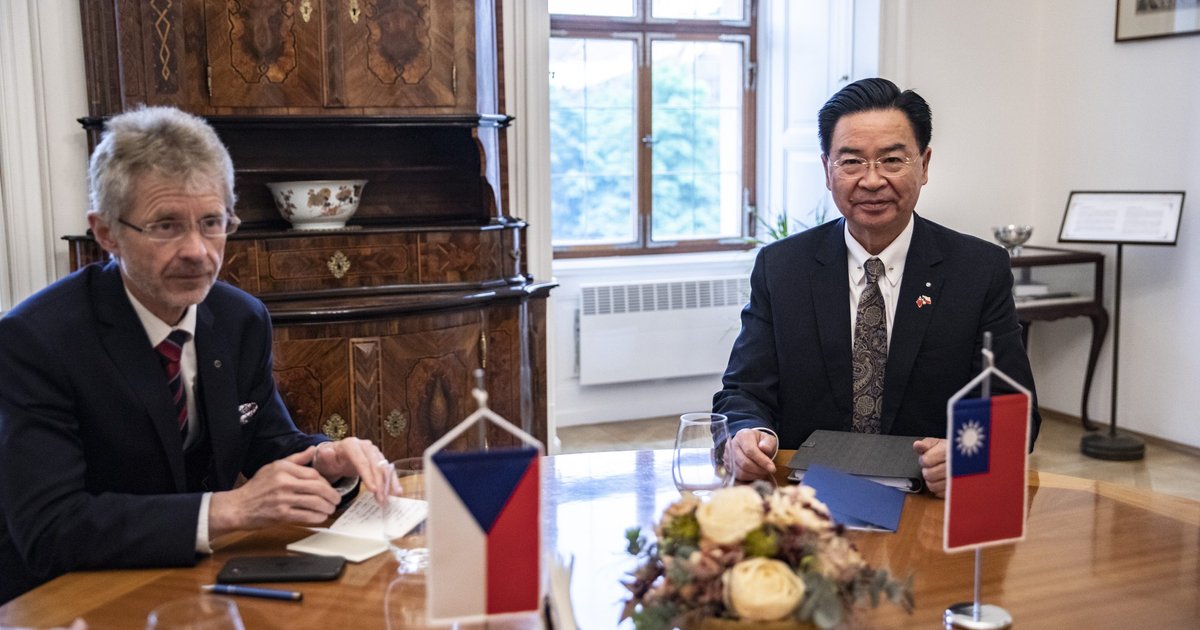
Taiwan's Foreign Minister, Joseph Wu, has stated that the nation will not back down in the face of political pressures from China, especially regarding civil aviation. This declaration was made during a press conference where Wu highlighted that Taiwan will continue to work on strengthening its independence and sovereign rights.
Wu added that China is using its political power to influence air and trade operations in the region, warning that such practices will not affect the will of the Taiwanese people. He assured that Taiwan will remain strong against any external interventions.
Details of the Event
The Taiwanese Foreign Minister's remarks come at a sensitive time, as pressure from Beijing on Taiwan has increased, particularly following heightened tensions between the two sides. China considers Taiwan a part of its territory and is working to enhance its influence in the region, raising concerns among many countries.
Wu also pointed out that Taiwan is actively working to strengthen its relations with other nations, including the United States, to ensure support in facing the challenges posed by China. He confirmed that Taiwan will continue to bolster its defensive and trade capabilities.
Background & Context
Historically, the relationship between Taiwan and China has been marked by increasing tensions since the end of the Chinese Civil War in 1949, when nationalists fled to Taiwan after their defeat. Since then, China has viewed Taiwan as a rebellious province, while Taiwan strives to maintain its independence.
In recent years, China has intensified its pressure on Taiwan, including military maneuvers near the island. This escalation has prompted Taiwan to strengthen its ties with Western countries, particularly the United States, which provides military and economic support to Taipei.
Impact & Consequences
Recent statements indicate that Taiwan is moving forward in reinforcing its independence, which may exacerbate tensions with China. This situation could affect stability in the region, as any military escalation could draw other countries into the conflict.
Furthermore, the ongoing Chinese pressures may drive Taiwan to seek more international support, potentially altering the dynamics of international relations in the region. These developments could lead to a reassessment of major powers' strategies towards China and Taiwan.
Regional Significance
Although the conflict between Taiwan and China may seem distant from the Arab region, its repercussions could impact regional security. Any military escalation in Asia could affect global markets, including oil prices and trade.
Additionally, relations between Arab countries and China may be influenced, as many Arab nations seek to strengthen their economic ties with Beijing. Therefore, any tension in Chinese-Taiwanese relations could reflect on Arab interests in the region.
In conclusion, Taiwan remains determined to uphold its independence, reflecting a strong will in the face of external pressures. As tensions continue, the world remains watchful for upcoming developments.