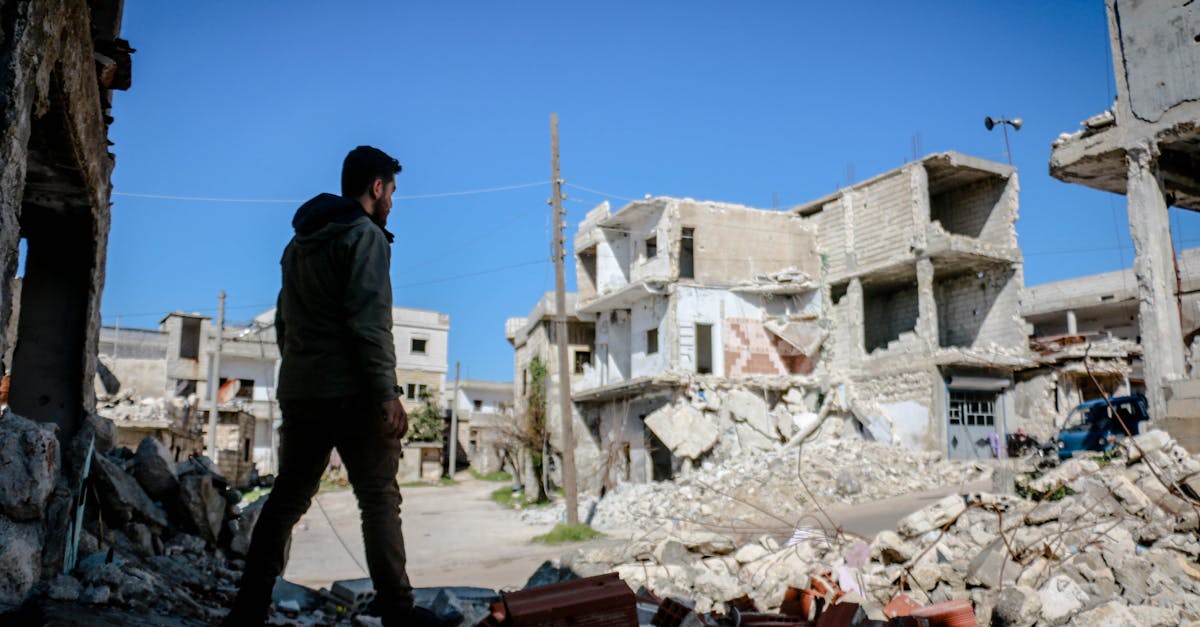
The Israeli forces have resumed their airstrikes in southern Lebanon, leading to the deaths of 14 people and injuring 37 others, according to a statement from the Lebanese Ministry of Health. These strikes come at a time when Israel has warned residents to leave seven towns located outside the 'buffer zone' it occupied, following a ceasefire that has failed to completely end hostilities.
The reported casualty figures announced by the ministry include two children and two women, while reports indicate that one Israeli soldier has also been killed, further complicating the deteriorating security situation. The Israeli forces have confirmed that the Lebanese Hezbollah is violating the ceasefire, stating that they will act against any threats.
Details of the Incident
Reports indicate that the Israeli strikes targeted Hezbollah fighters and weapon depots, with the Israeli Ministry of Defense affirming that military operations continue despite the ceasefire. An Israeli army spokesperson explained that warnings to residents include moving north and west away from the targeted towns, reflecting the escalating tensions in the region.
Meanwhile, Hezbollah has declared that it will not cease its attacks on Israeli forces within Lebanon or on towns in northern Israel, indicating that Israel has violated the ceasefire. The group further stated that it will not wait for diplomatic solutions that have proven ineffective.
Background & Context
The conflict between Israel and Hezbollah dates back decades, with the region witnessing numerous wars and disputes. Since the onset of the latest war on March 2, more than 2,500 people have died in Israeli strikes, including 277 women, 177 children, and 100 medical workers. These figures reflect the scale of the humanitarian suffering that Lebanon endures amid the ongoing conflict.
It is noteworthy that the ceasefire, brokered by the United States and initiated on April 16, has been extended until mid-May, leading to a reduction in hostilities, although exchanges of fire between both sides continue.
Impact & Consequences
The recent events underscore the fragility of the security situation in the region, as the continuation of Israeli strikes and Hezbollah attacks increases the likelihood of escalating conflict. The deaths of civilians, including children and women, raise international concern regarding the humanitarian conditions in Lebanon, highlighting the urgent need for a lasting peaceful resolution.
Moreover, the ongoing military operations may affect Israeli-Lebanese relations and complicate peace efforts in the region. It is clear that both sides are determined to achieve their military objectives, making it difficult to reach a settlement.
Regional Significance
The developments in Lebanon are part of a larger picture of conflict in the Middle East, as the dispute between Israel and Hezbollah has implications for neighboring countries. The continuation of violence could destabilize the region, affecting regional security and increasing tensions between Arab states and Israel.
Ultimately, the situation in Lebanon remains a focal point for the world, as everyone looks for a peaceful solution to end humanitarian suffering and restore stability to the region.