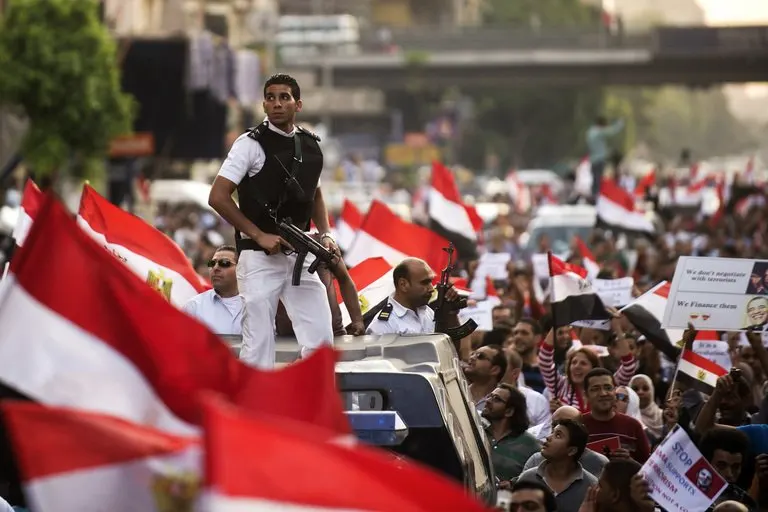
Egypt's opposition political parties have reversed their decision not to meet with Prime Minister Mustafa Madbouly, raising questions about the reasons behind this sudden shift. This decision comes amid a tense political atmosphere and widespread public protests, as many parties seek to reassess their strategies in dealing with the government.
In recent hours, there has been intense political maneuvering behind the scenes, with opposition party leaders meeting to discuss the current situation. Informed sources have reported that internal and external pressures prompted these parties to reconsider their stance, especially in light of the economic and social crises facing the country.
Details of the Event
The decision not to meet Madbouly was made earlier as part of the opposition's strategy to pressure the government to meet its demands. However, it appears that circumstances have changed, leading to a consensus that dialogue is the best way to express political positions and achieve change. A date for the anticipated meeting has been set, reflecting the parties' desire for active participation in the political process.
This meeting comes at a sensitive time, as the country is experiencing a wave of public protests due to difficult economic conditions, increasing the importance of dialogue between the government and the opposition. Some parties have expressed their willingness to present alternative proposals and solutions to the challenges facing the country, reflecting their desire to contribute to improving the situation.
Background & Context
Historically, the relationship between the government and opposition parties in Egypt has been tense, with parties often accusing the government of ignoring their demands. However, the current situation requires all parties to work together to address economic and social challenges. The country has witnessed significant political changes in recent years, impacting the overall political landscape.
This step by the opposition parties is seen as an attempt to rebuild trust with the government, as they seek to emphasize the importance of dialogue in achieving stability. This comes amid international and local calls to enhance democracy and human rights in the country, increasing pressure on the government to respond to the people's demands.
Impact & Consequences
This meeting could have a significant impact on the political landscape in Egypt, potentially opening new channels for dialogue between the government and the opposition. If the meeting succeeds in achieving positive results, it could contribute to improving economic and social conditions and enhance the country's stability.
On the other hand, if the two sides fail to reach an agreement, it could exacerbate the situation and increase public protests. Therefore, the outcomes of this meeting will be pivotal in determining the course of events in the coming period.
Regional Significance
The Egyptian experience serves as a model in the Arab region, where many countries are facing similar political and economic crises. The success of dialogue between the government and opposition in Egypt may encourage other countries to take similar steps, contributing to enhancing stability in the region.
In conclusion, all eyes remain on the outcomes of this meeting, as many hope it will mark a new beginning for a more positive relationship between the government and the opposition, positively reflecting on the situation in the country.