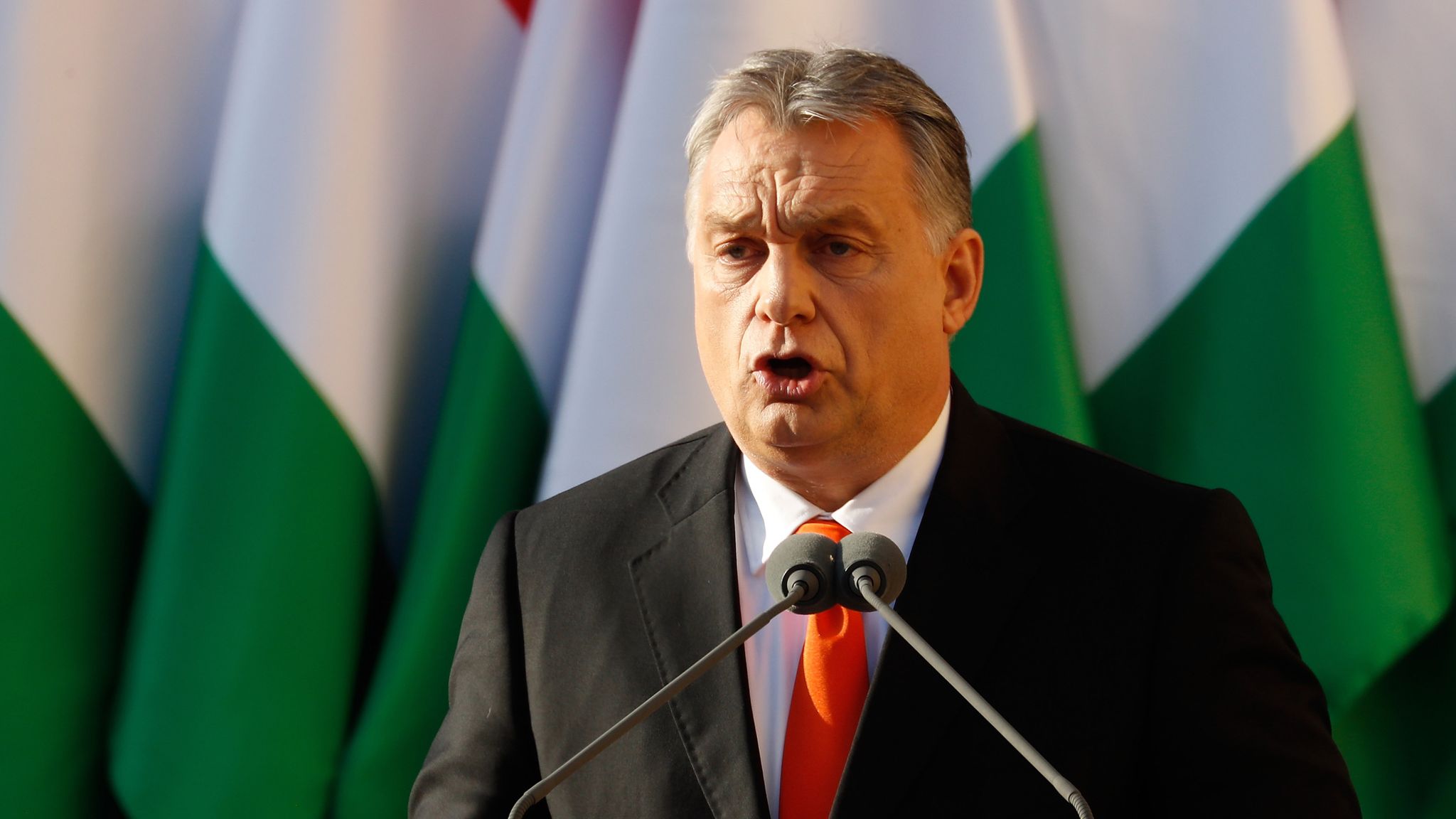
Hungarian Prime Minister Viktor Orban has declared that he will not assume his seat in parliament after his party Fidesz suffered a crushing defeat in the recent elections. This defeat, which took place on April 12, resulted in a reduction of the party's seats from 135 to 52, effectively ending his long-standing tenure of 16 years.
In a video statement shared on social media, Orban stated, "I am now needed to reorganize the national movement, not in parliament." Despite being re-elected as a member of parliament, Orban has decided to relinquish this seat.
Details of the Event
The Fidesz party, which Orban has led since 1990, has experienced a significant decline in popularity, with the new party Tiza, led by Peter Magar, winning more than two-thirds of the 199 parliamentary seats. This political shift opens the door for radical changes in Hungary's domestic policies and international relations.
Orban announced that the parliamentary group of his party will be led by Gulyas Gergo, who previously served as a minister in the Prime Minister's office. Orban confirmed that his mandate as the lead candidate for the Fidesz-KDNP list is, in fact, a parliamentary mandate for his party, prompting his decision to step down.
Background & Context
Historically, Orban has held the position of Prime Minister since 2010 and has become a prominent figure in Hungarian politics. However, dissatisfaction among voters has increased due to allegations of corruption and a decline in living standards. These factors have significantly contributed to his drop in popularity, leading to his defeat in the recent elections.
During his tenure, Orban sought to strengthen ties with leaders such as Donald Trump and Vladimir Putin, which drew widespread criticism. Conversely, the slogan "Russians go home" was a recurring chant among supporters of Tiza during the election campaign.
Impact & Consequences
Orban's defeat represents a turning point in Hungarian politics, as the new Prime Minister has pledged to reverse the changes Orban implemented in education, health, anti-corruption efforts, and restore judicial independence. Magar also aims to improve relations with the European Union and Ukraine, which could alter Hungary's foreign policy trajectory.
All eyes are now on the party conference scheduled for June, where Orban's fate as the leader of Fidesz will be determined. Orban has confirmed that he will continue to shape the national movement, indicating that he will not easily fade from the political scene.
Regional Significance
These developments in Hungary are significant for the Arab region, as political changes in European countries have direct implications for international relations. Shifts in Hungarian politics may influence the European Union's stance on Middle Eastern issues, particularly concerning migration and security.
Ultimately, this event marks a major shift in Hungarian politics and could have wide-ranging repercussions at both the regional and international levels.