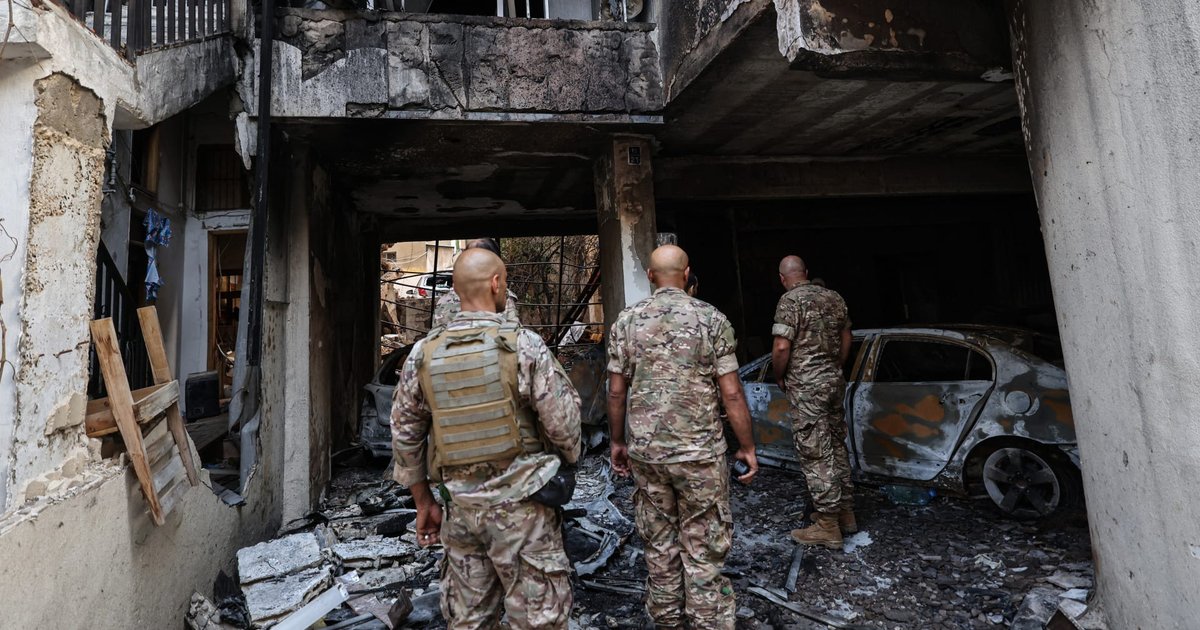
The Lebanese Ministry of Health has announced a rise in the death toll from Israeli attacks, reporting that 1,029 people have died since the onset of these assaults on March 2. Additionally, the ministry recorded 2,786 injuries, indicating a deterioration in the humanitarian and living conditions in the country.
These reports come amid rising tensions between Lebanon and Israel, which have seen significant military escalation in recent weeks. Attacks continue despite international calls for de-escalation, further complicating the humanitarian situation in Lebanon, which is already grappling with multiple crises including economic and health issues.
The background of the conflict between Lebanon and Israel dates back several decades, witnessing numerous wars and conflicts since Israel's occupation of southern Lebanon in 1982, along with periods of internal strife and the fragmentation of the Lebanese state, which has contributed to a tense environment between the two sides.
Gas and food are among the foremost issues currently facing Lebanon, as the blockade on populated areas is intensified, adding more economic pressure on the populace. The ramifications of these conditions extend beyond military conflict, encompassing economic, social, and health dimensions.
There is significant concern within the international community that hostilities will continue to affect civilians, as conditions worsen amid shortages of food, medicine, and electricity. This necessitates an urgent response from humanitarian organizations to meet the increasing needs of the population.
It is noteworthy that the security situation in Lebanon is linked to a range of larger regional crises, as the area undergoes radical political changes that affect the balance of power. While the international community focuses on calls for peace and de-escalation, political options appear limited, raising the specter of renewed violence.
In this context, these events reflect the long-term impact of the Israeli-Lebanese conflict on citizens. The recurring images of destruction and scenes of human tragedy bear witness to the successive crises faced by the Lebanese people.
One prevailing question is how the increasing number of victims will impact the Lebanese political landscape and humanitarian operations. According to some analysts, these figures could lead to increased pressure on the current Lebanese government to seek a political exit to resolve these crises.
The issue of Lebanon is an integral part of larger issues in the Arab homeland, including the Syrian and Iraqi crises, where military and political tensions directly affect stability in the region as a whole. Therefore, events in Lebanon cast shadows on the balance of power in the Middle East, prompting the international community to reconsider how it deals with these crises.
Consequently, the continued Israeli aggression against Lebanon constitutes a violation of human rights, necessitating international action to protect civilians and contribute to restoring stability in the country.