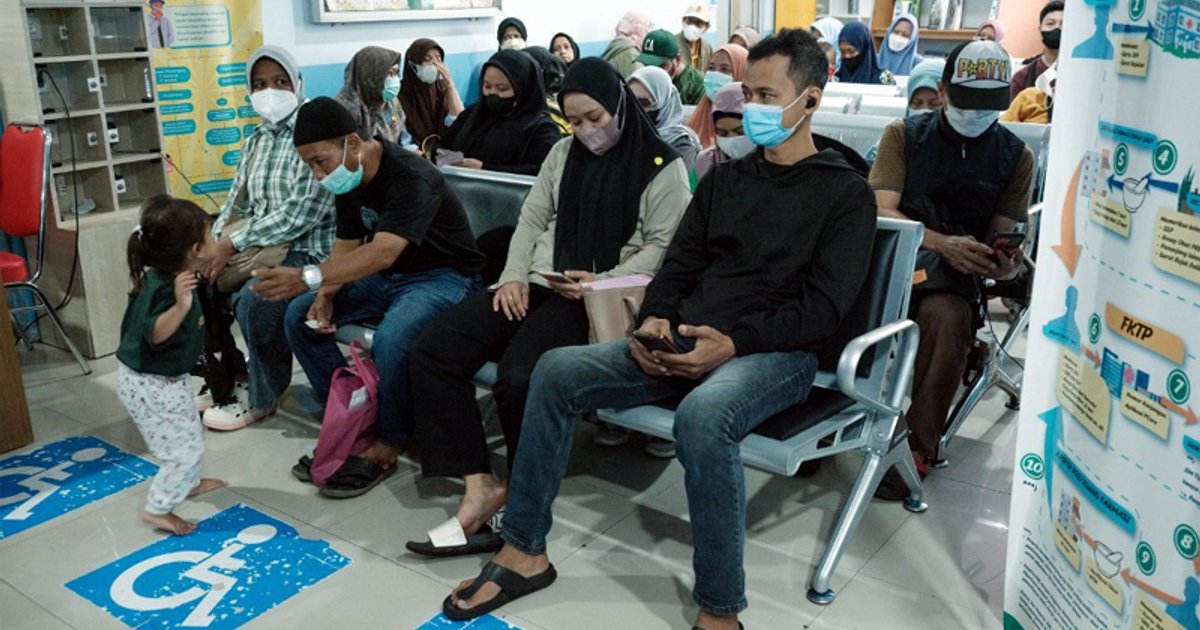
In the first four months of this year, a total of 23,927 citizens in South Jakarta's Cilandak area have benefited from free health screening services (CKG). This initiative is part of the Indonesian government's efforts for early disease detection and community health improvement.
The head of the center, Sunirsi Handani, reported that this number represents approximately 10% of the annual target set by the government, which aims for 46%. She noted that the program aims to enhance health awareness among citizens and empower them to access necessary healthcare in a timely manner.
Details of the Health Screening Program
The free health screening services include two main types: CKG Quick Package and CKG Full Package. The quick screening is conducted in local communities, such as primary healthcare centers, takes less than an hour, and includes tests like blood sugar level, weight, and height measurements.
On the other hand, the full package is conducted at the health center and includes more comprehensive examinations, including laboratory tests and dental health assessments, taking about half a day. Sunirsi confirmed that citizens benefiting from the quick package will receive invitations via WhatsApp to transition to the full package.
Background & Context
The free health screening program was launched as a gift from the Indonesian president and has seen significant development since its inception. In its first year, approximately 70.8 million people participated in the program, representing 24.9% of Indonesia's total population. The program aims to increase health awareness and improve access to healthcare.
The Indonesian Ministry of Health aims to achieve comprehensive coverage of free health screenings reaching 46% by the year 2026. This is part of the government's evaluation of previous public health programs and setting new priorities to enhance citizen health.
Impact & Consequences
This program is considered a significant step towards enhancing public health in Indonesia, contributing to early disease detection and improving the healthcare system's ability to address health issues more swiftly and effectively. It also fosters a culture of regular screening among citizens.
The Ministry of Health anticipates that this program will help reduce chronic disease rates and improve citizens' quality of life, which will positively impact the national economy by lowering long-term healthcare costs.
Regional Significance
Indonesia's experience in implementing free health screening programs could serve as a model for Arab countries, many of which face public health challenges. Enhancing health awareness and early screening can contribute to better public health and reduce health burdens.
Given the current global health conditions, adopting such programs could have a positive impact on Arab communities, strengthening health systems' ability to face future health challenges.