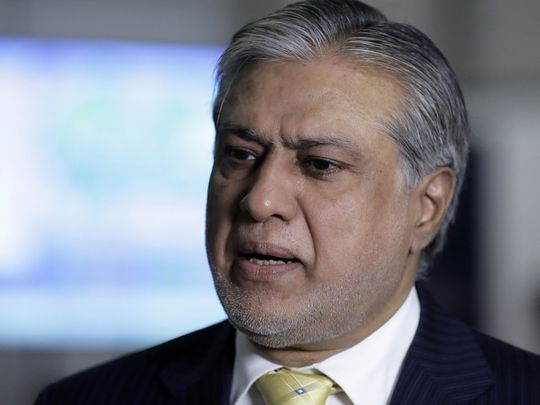
The foreign ministers of Pakistan, Bilawal Bhutto Zardari, and China, Wang Yi, have met to introduce a new five-point initiative aimed at breaking the deadlock in the Gulf conflict. This initiative comes at a time when tensions are rising between Iran on one side and the United States and Israel on the other, necessitating urgent diplomatic moves.
Despite the significance of the initiative, it does not present any notably new proposals, as many points have been reiterated from previous initiatives. However, this step may be seen as a continuation of the quadrilateral coordination among Egypt, Pakistan, Saudi Arabia, and Turkey, reflecting increasing efforts by these nations to halt the war and promote stability in the region.
Details of the Initiative
The initiative proposed by the foreign ministers of Pakistan and China includes five main points aimed at addressing the outstanding issues in the Gulf. These points encompass calls for a ceasefire, the initiation of comprehensive dialogue among the concerned parties, humanitarian support for those affected by the conflict, and the enhancement of economic cooperation among the involved nations.
This initiative arises within a context of complex geopolitical changes, as fears of escalating conflicts in the region grow. The Pakistani foreign minister emphasized the importance of international cooperation in achieving peace, stressing the need for collective efforts to avoid further escalation.
Background & Context
For years, the Gulf region has been experiencing increasing tensions, particularly following the United States' withdrawal from the Iranian nuclear agreement in 2018. This withdrawal has led to heightened tensions between Iran and Western countries, adversely affecting regional stability. Additionally, the conflict in Yemen, which is one of the most prominent manifestations of these tensions, has further complicated the situation.
In this context, Pakistan and China are seeking to present an initiative that contributes to alleviating these tensions, especially amid the humanitarian crises faced by civilians in conflict zones. Both countries have expressed readiness to collaborate with other nations in the region to achieve this goal.
Impact & Consequences
This initiative could have significant implications for the overall situation in the Gulf. If successfully implemented, it may help reduce tensions and promote dialogue among the concerned parties. Furthermore, the success of this initiative could encourage other countries to engage in similar diplomatic efforts, thereby enhancing the prospects for peace in the region.
However, the greatest challenge remains how the involved parties will respond to this initiative. History indicates that such initiatives may face difficulties in implementation, especially in light of the mutual distrust among the parties involved.
Regional Significance
The Gulf region is a vital hub for trade and energy, and any escalation in conflicts could directly impact neighboring Arab countries. If the initiative succeeds in achieving stability, it may open new avenues for economic and trade cooperation among Arab nations.
Ultimately, hopes rest on this initiative, as many look forward to it being a step towards achieving peace and stability in a region beset by multiple crises.