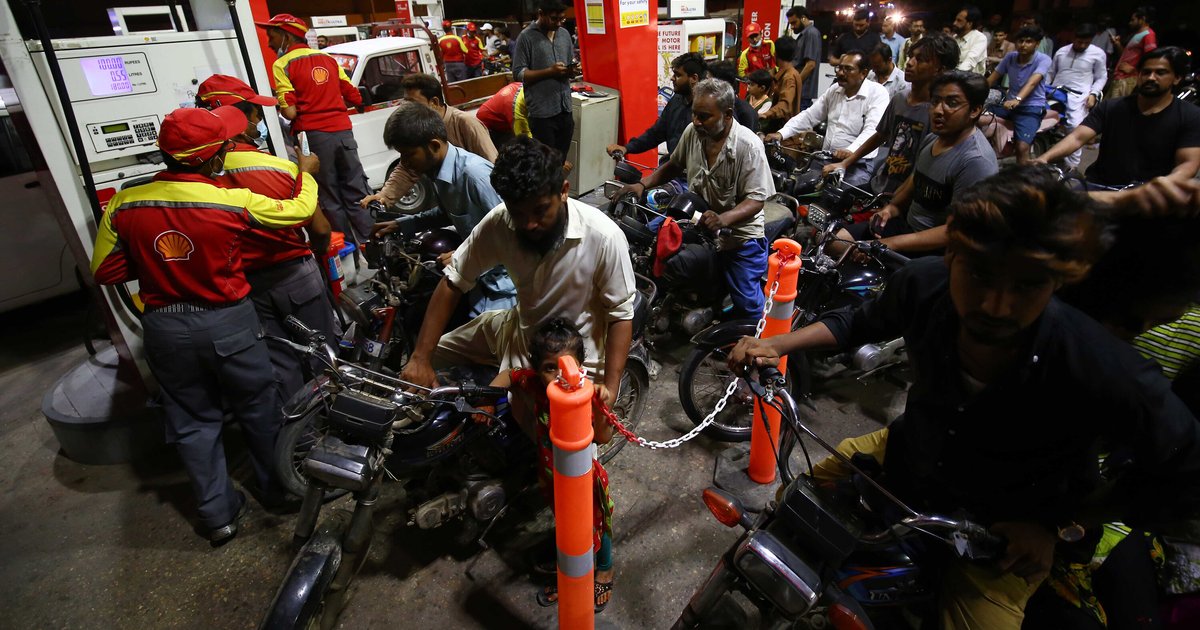
The Pakistani government has announced a decision to close markets at 8 PM as part of its efforts to address the escalating fuel crisis in the country. This decision comes at a critical time as Pakistan faces significant economic challenges, including rising fuel prices and supply shortages.
The aim of this measure is to reduce fuel consumption during nighttime hours, as the government seeks to alleviate pressure on available resources. Officials have indicated that this decision will impact various sectors, including trade and restaurants, which may increase economic pressures on citizens.
Details of the Event
This step comes after Pakistan has witnessed a notable rise in fuel prices, leading to growing discontent among citizens. Reports have shown that gasoline and diesel prices have surged significantly in recent weeks, adversely affecting the purchasing power of families.
Additionally, the fuel shortage has resulted in increased queues at gas stations, exacerbating the crisis. The government hopes that this decision will help reduce consumption and thus improve the overall situation in the country.
Background & Context
Historically, Pakistan has suffered from recurring fuel crises, but the current situation is considered among the worst. Part of this crisis can be attributed to the political and economic turmoil the country has experienced in recent years, along with the impacts of the COVID-19 pandemic that led to a decline in economic activity.
In recent years, the government has taken several steps to improve the economic situation, including attempts to attract foreign investments and boost local production. However, challenges remain, making it difficult to achieve the desired economic stability.
Impact & Consequences
This decision is expected to have widespread effects on the Pakistani economy. Closing markets early may lead to reduced commercial revenues, impacting small and medium business owners. Furthermore, this measure may increase pressures on families that rely on trade as their primary source of income.
Moreover, this decision could exacerbate social discontent, as citizens are concerned about the effects of the crisis on their daily lives. The government needs to take additional steps to comprehensively address these issues.
Regional Significance
The fuel crisis in Pakistan serves as an example of the economic challenges faced by many developing countries. In the Arab region, some countries have also experienced similar crises due to rising oil prices and political unrest. This situation highlights the importance of regional coordination to tackle common economic challenges.
Additionally, the effects of these crises may extend to global markets, as any fluctuations in fuel prices in Pakistan could impact oil prices overall, reflecting on Arab countries that heavily rely on oil exports.
In conclusion, the situation in Pakistan requires urgent attention from the government and the international community. Effective strategies must be in place to address the fuel crisis and improve the economic conditions for citizens.