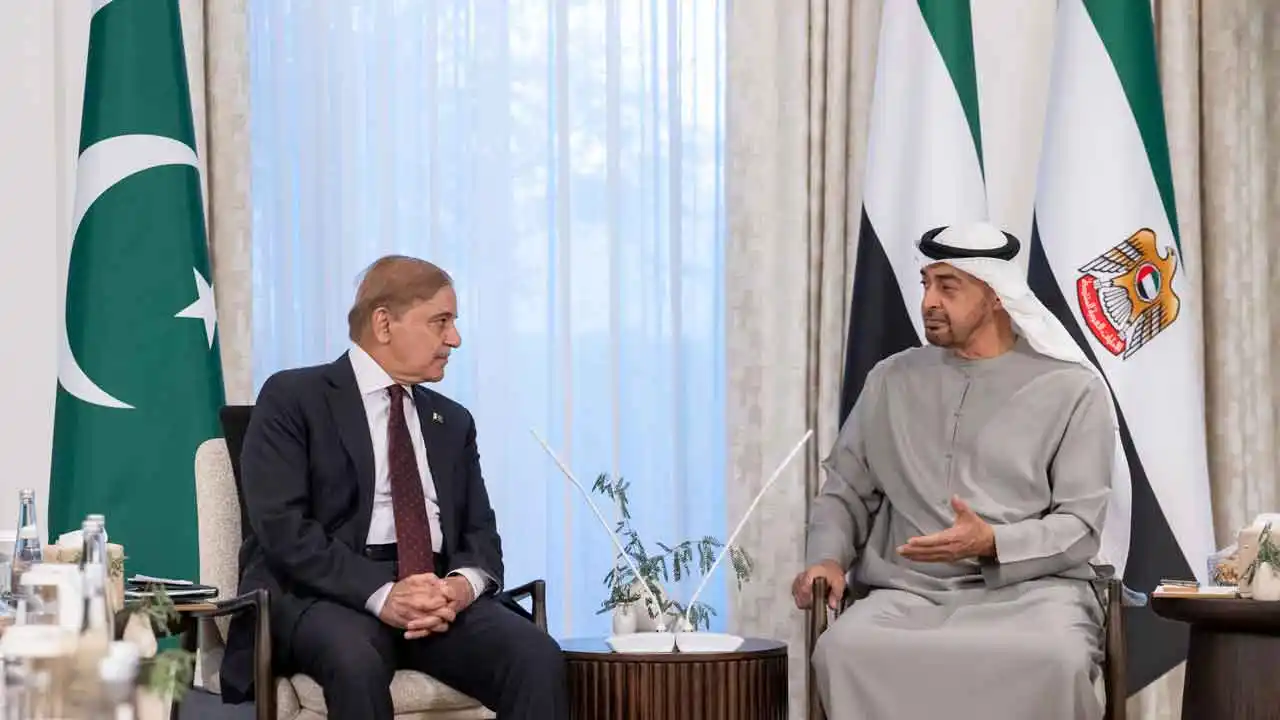
Pakistan is encountering increasing economic challenges after failing to secure an agreement with the United Arab Emirates for the renewal of a $3 billion loan. This marks the first time in seven years that such a renewal has not been achieved, intensifying the pressures on an already struggling Pakistani economy impacted by soaring oil prices.
This crisis comes at a sensitive time, as Pakistan has relied on financial support from the UAE to alleviate its debt burdens. The failure of negotiations reflects growing economic tensions between the two countries and indicates that Pakistan may face greater difficulties in securing the necessary funding to support its financial stability.
Details of the Event
The UAE has been one of the key financial supporters of Pakistan, having previously provided financial assistance to bolster the Pakistani economy. However, the failure to renew the loan signifies a shift in the UAE's financial policy towards Pakistan, which could adversely affect the economic relations between the two nations.
Pakistan is seeking to restructure its debts with creditor nations, but its inability to secure UAE support may hinder these efforts. This situation highlights the urgent need for Pakistan to diversify its funding sources and reduce its reliance on external loans.
Background & Context
Over the years, Pakistan has faced recurring economic challenges, including high inflation and unemployment rates. The country has also been severely affected by rising global oil prices, which have exacerbated pressures on its balance of payments. In recent years, Pakistan has heavily depended on foreign aid to meet its financial needs.
Historically, the relationship between Pakistan and the UAE has been strong, with the UAE contributing to developmental projects in Pakistan. However, changes in economic policies may lead to a reevaluation of these relations in the future.
Impact & Consequences
The failure of Pakistan to renew the loan could exacerbate economic crises, potentially negatively impacting political stability in the country. Under the current circumstances, the government may be forced to implement austerity measures that could affect citizens.
Moreover, the lack of financial support from the UAE may make Pakistan more vulnerable to fluctuations in global financial markets, increasing the risks of economic instability.
Regional Significance
The economic situation in Pakistan is of particular importance to the Arab region, as economic stability in Pakistan affects trade and investment relations between Arab countries and Pakistan. Additionally, any deterioration in economic conditions could lead to increased migration from Pakistan to Arab states, impacting the labor market.
Ultimately, the current situation in Pakistan requires urgent attention from the international community and Arab nations to ensure the country’s stability and prevent the worsening of economic crises.