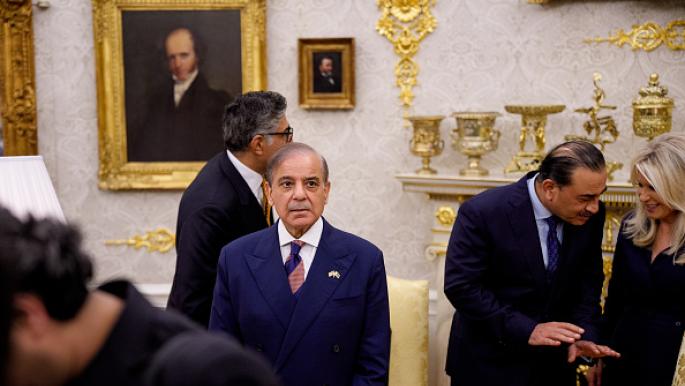
Diplomatic sources indicate that Pakistan's mediation efforts between Tehran and Washington have progressed to a new phase, resulting in a two-week ceasefire. This development highlights Pakistan's growing role in managing regional crises.
This mediation comes at a time when relations between the United States and Iran are increasingly strained, with fears of potential military escalation on the rise. Pakistan has facilitated dialogue between the two parties, reflecting its ability to influence the regional diplomatic landscape.
Details of the Mediation Efforts
The Pakistani mediation involves both direct and indirect communications between officials in Tehran and Washington, focusing on the core issues that are fueling tensions. Reports have indicated that both sides have shown a willingness to negotiate, contributing to a temporary agreement to halt escalation.
The agreed-upon ceasefire for two weeks is seen as a positive step, providing both parties with an opportunity to reflect on their options and avoid military escalation. Pakistan has confirmed its commitment to continue its diplomatic efforts to promote stability in the region.
Background & Context
Historically, relations between the United States and Iran have been tense since the Islamic Revolution in 1979. Recent years have seen an escalation in tensions, particularly following the U.S. withdrawal from the Iranian nuclear deal in 2018. This withdrawal led to the imposition of stringent economic sanctions on Iran, exacerbating regional tensions.
In this context, Pakistan seeks to play the role of mediator, leveraging its good relations with both parties. Pakistan has expressed its desire to promote peace and stability in the region, aligning with its national interests.
Impact & Consequences
The Pakistani mediation is a significant step in the context of international relations, as it could lead to a de-escalation of tensions in the Middle East. If these efforts succeed, they may open doors for broader dialogue between Iran and the United States, potentially contributing to greater stability in the region.
Moreover, this mediation could influence the relationships between other countries in the region, especially those with shared interests with both parties. The success of the mediation may also enhance Pakistan's status as an influential player in regional and international affairs.
Regional Significance
Arab countries are directly affected by the tensions between Iran and the United States, as these relationships play a crucial role in the stability of the region. If Pakistan succeeds in achieving a lasting ceasefire, it could reduce security risks in neighboring countries, such as Iraq and Syria.
Additionally, improved relations between Tehran and Washington may help alleviate conflicts in the region, benefiting Arab nations that are suffering from the repercussions of these tensions. Stability in the relationships among major powers in the region could open new avenues for regional cooperation.
In conclusion, Pakistan's mediation between Washington and Tehran represents an important step towards containing escalation and underscores the significance of diplomacy in crisis management. It remains to be seen how events will unfold in the coming weeks and whether these efforts will yield positive long-term results.