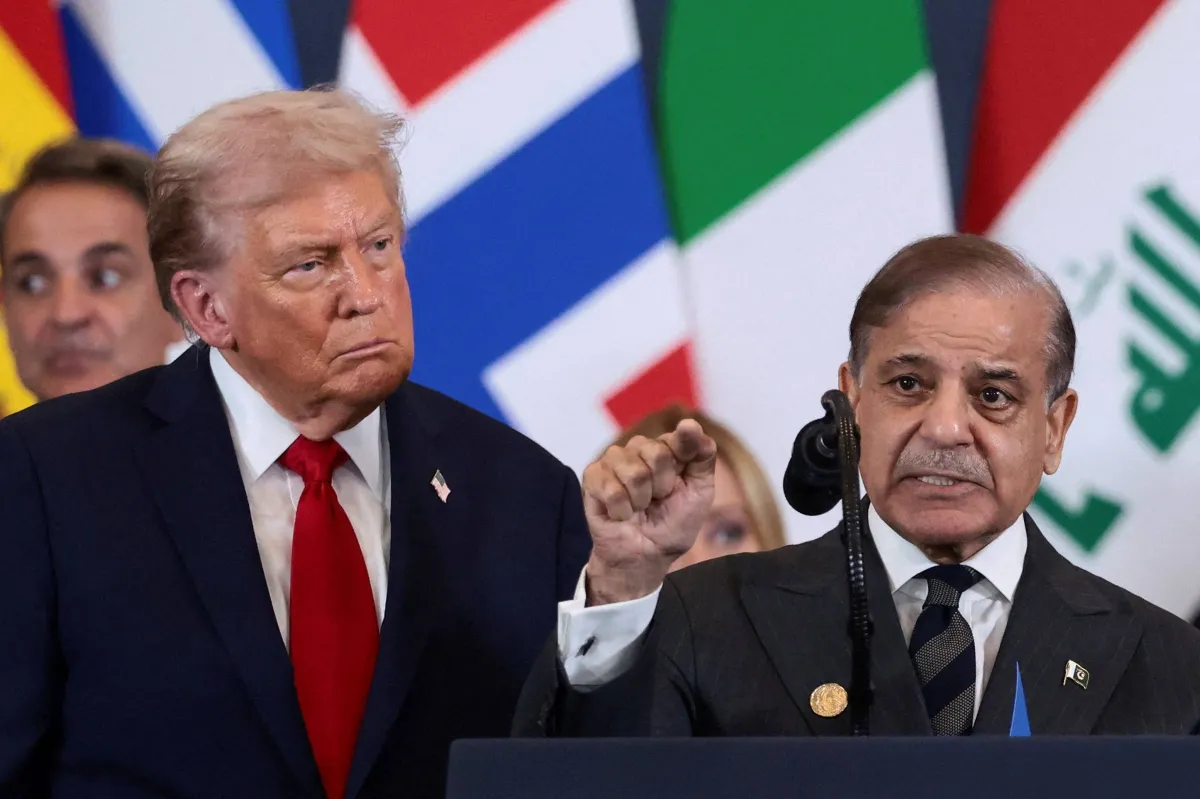
Pakistan has announced its success in mediating between Iran and the United States to reach a ceasefire agreement, following intensive diplomatic efforts by the Pakistani government. This announcement was made by Prime Minister Shahbaz Sharif, who confirmed that the two countries agreed to a ceasefire "everywhere," paving the way for new talks in the capital Islamabad.
The agreed ceasefire will last for two weeks and was announced after Pakistan's mediation, which has proven its ability to play a pivotal role in resolving regional conflicts. Michael Kugelman, a South Asia expert, noted that Pakistan has achieved a significant diplomatic victory, overcoming doubts surrounding its capacity to carry out such a sensitive mission.
Details of the Ceasefire Agreement
In his statements, Shahbaz Sharif clarified that the ceasefire includes all parties involved, including Iran and the United States' allies. He confirmed that negotiations will begin on April 10, reflecting both sides' desire for sustainable peace. He also pointed out that Pakistan enjoys good relations with both Tehran and Washington, making it an ideal mediator.
Historically, Pakistan and Iran have maintained close relations, with Iran being the first country to recognize Pakistan after its independence in 1947. The two countries share a common border extending over 900 kilometers, along with strong cultural and religious ties. Additionally, Pakistan hosts the second-largest population of Shia Muslims in the world, further enhancing its position as a mediator.
Background & Context
These developments come at a sensitive time, as the region has witnessed escalating tensions due to the ongoing conflict between Iran and the United States. The attack launched by the United States and Israel on Iran last February escalated the situation, resulting in the death of Iranian leader Ali Khamenei, prompting Iran to retaliate with strikes on Gulf states and Israel.
The situation in Lebanon has also been significantly affected, with Iranian-backed Hezbollah firing rockets at Israel, leading to military responses from the Israeli side. These events prompted Pakistan to take urgent steps to mediate between the conflicting parties.
Impact & Consequences
Pakistan's success in achieving a ceasefire could enhance its international standing, especially amid ongoing tensions with India and Afghanistan. Furthermore, stability in the region will have a positive impact on the Pakistani economy, which heavily relies on importing oil and gas through the Strait of Hormuz.
Pakistan aims to avoid engaging in new conflicts, as continued unrest could exacerbate fuel supply crises and rising prices, burdening the debt-laden Pakistani government.
Regional Significance
The success of Pakistan's mediation could open new avenues for peace in the Middle East and bolster the efforts of Arab nations to achieve regional stability. This step may also encourage other countries to take similar actions in resolving existing conflicts.
In conclusion, this development represents a turning point in the relations between Iran and the United States, reflecting Pakistan's ability to play a pivotal role on the international stage, potentially contributing to peace and security in the region.