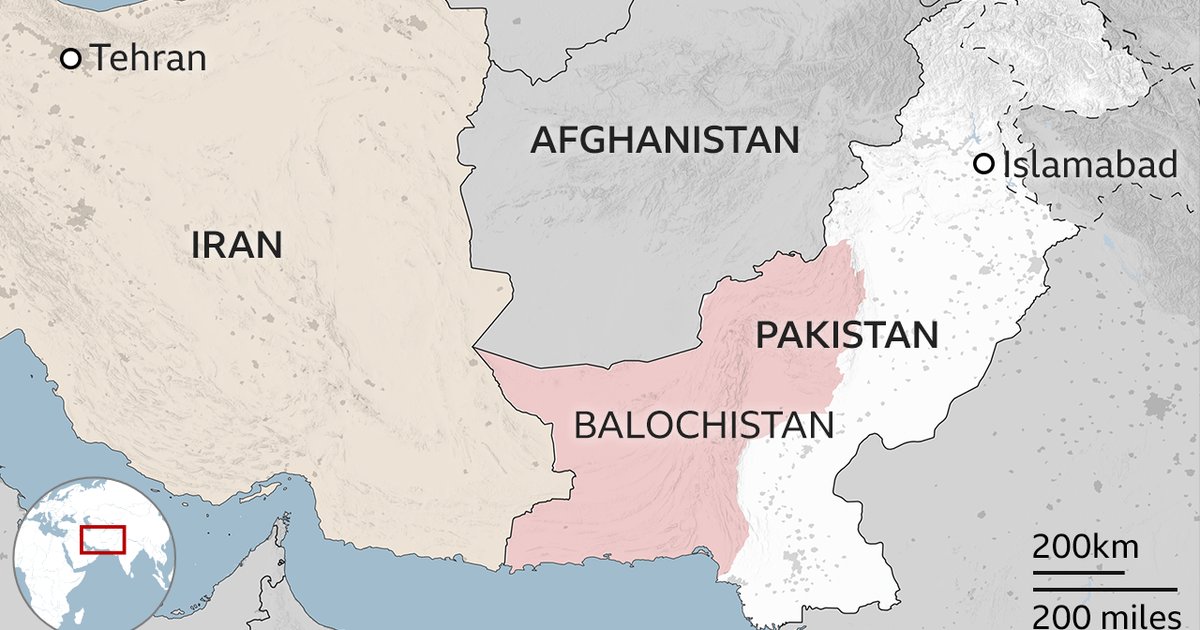
In a significant diplomatic move, Pakistan has managed to avert a major escalation in the Iranian conflict, with Prime Minister Shahbaz Sharif playing a pivotal role in mediating a ceasefire. These efforts come at a sensitive time as tensions in the region have been rising, highlighting the crucial role Pakistan can play in fostering regional stability.
Since taking office in April 2022, Shahbaz Sharif has utilized his extensive international relations with major powers to engage with the parties involved in the Iranian conflict. Reports indicate that Pakistan has successfully persuaded Iran to accept a ceasefire as a first step towards resuming dialogue.
Details of the Development
These developments occur at a time when Iran is facing increasing pressure from the international community due to its nuclear activities and support for armed groups in the region. Pakistan has provided a platform for dialogue between Iran and other countries, reflecting its ability to influence regional issues.
The efforts made by Pakistan were not merely an attempt to halt hostilities but also a means to buy time for deeper discussions on the core issues affecting regional security. Shahbaz Sharif emphasized the importance of dialogue as a way to resolve disputes rather than resorting to military escalation.
Background & Context
Historically, the relationship between Iran and Pakistan has been complex, characterized by periods of cooperation and tension. However, the current situation necessitates that Pakistan assume the role of mediator, especially amid rising tensions between Iran and the United States. Pakistan has worked to strengthen its relations with Iran in recent years, making it a crucial starting point for dialogue.
It is important to note that the Iranian conflict has far-reaching implications for the region, affecting the stability of countries like Iraq, Syria, and Lebanon. Therefore, any efforts to de-escalate are seen as a positive step towards achieving peace.
Impact & Consequences
This initiative serves as a test of Pakistan's ability to influence regional politics. If Pakistan succeeds in achieving positive outcomes through this mediation, it could enhance its status as a reliable mediator in regional conflicts. Additionally, success in this area may open new avenues in its relations with major powers.
Conversely, failure in these efforts could exacerbate the situation in the region, increasing tensions and negatively impacting regional security. Observers are closely monitoring the developments of this issue.
Regional Significance
Considering the situation in the Arab region, any escalation in the Iranian conflict could directly affect neighboring Arab countries, especially those suffering from the impacts of regional conflicts. Thus, Pakistan's efforts to halt escalation are significant not only for Iran but also for Arab countries striving for stability.
In conclusion, Pakistan's efforts stand out as a positive step towards promoting dialogue and peace in the region, reflecting the importance of diplomacy in addressing conflicts. The success of these efforts could have far-reaching effects on regional security and inter-state relations.