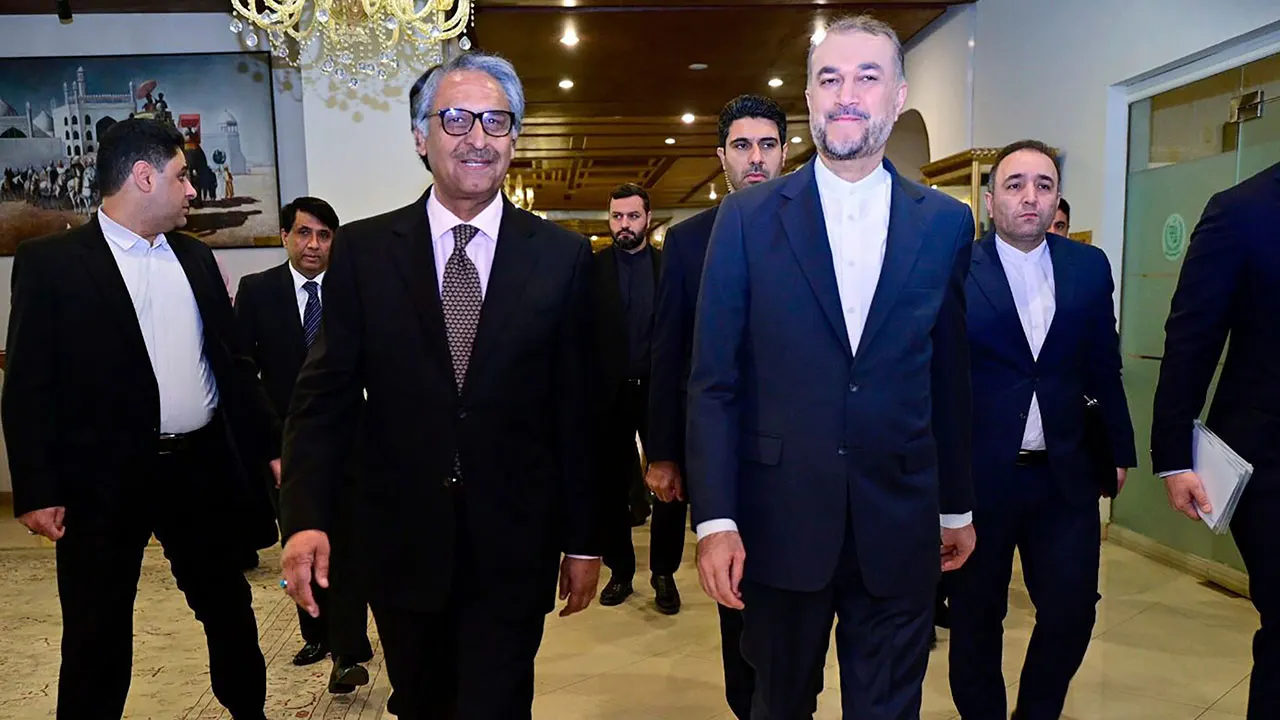
Sources revealed today that Pakistan has sent a comprehensive plan aimed at ending hostilities between Iran and the United States. This initiative comes at a critical time, with expectations that the plan may be implemented today, which could lead to the reopening of the Strait of Hormuz, one of the world's most vital waterways.
This Pakistani initiative is a significant step amid rising tensions between Tehran and Washington, as relations between the two have notably deteriorated in recent years. These tensions have greatly impacted regional security and the global economy, particularly in the energy sector.
Details of the Proposal
The Pakistani plan includes several provisions aimed at achieving a comprehensive ceasefire, including an immediate call for a ceasefire and a prisoner exchange. Pakistan also seeks to facilitate direct dialogue between the two sides, which could help build trust and restore diplomatic relations.
This initiative comes at a sensitive time as the world faces significant challenges related to security and energy, with the Strait of Hormuz being a critical point for oil and gas transportation. Any escalation in the region could lead to rising energy prices and destabilize global markets.
Background & Context
Historically, relations between Iran and the United States have been marked by recurring tensions, especially following Washington's withdrawal from the Iranian nuclear agreement in 2018. Since then, the US has imposed stringent economic sanctions on Iran, exacerbating the situation in the region.
Pakistan is considered a key player in regional politics, aiming to enhance its role as a mediator in conflicts. It has previously played a similar role in other issues, reflecting its desire to achieve stability in the region.
Impact & Consequences
If the Pakistani plan succeeds in achieving a ceasefire, it could help alleviate tensions in the region, positively impacting regional security. Moreover, reopening the Strait of Hormuz could lead to stabilized oil prices, which is vital for global economies.
On the other hand, this initiative may open the door for further dialogue between Iran and the United States, potentially contributing to lasting solutions for ongoing disputes. However, the biggest challenge remains how to build trust between the two sides after years of hostility.
Regional Significance
Developments in the relationship between Iran and the United States have a direct impact on Arab countries, particularly those reliant on stable oil prices. Any escalation in the region could lead to significant economic and political repercussions.
Furthermore, Pakistan's success in mediation could enhance its position in the region, potentially opening new opportunities for relations with Arab nations. At the same time, Arab countries must closely monitor the developments of this initiative and its potential impact on their security and stability.
In conclusion, all eyes are on Pakistan and the outcomes of its mediation efforts between Iran and the United States. The success of this initiative could mark a turning point in relations between the two sides and enhance stability in a region plagued by tensions and conflicts.