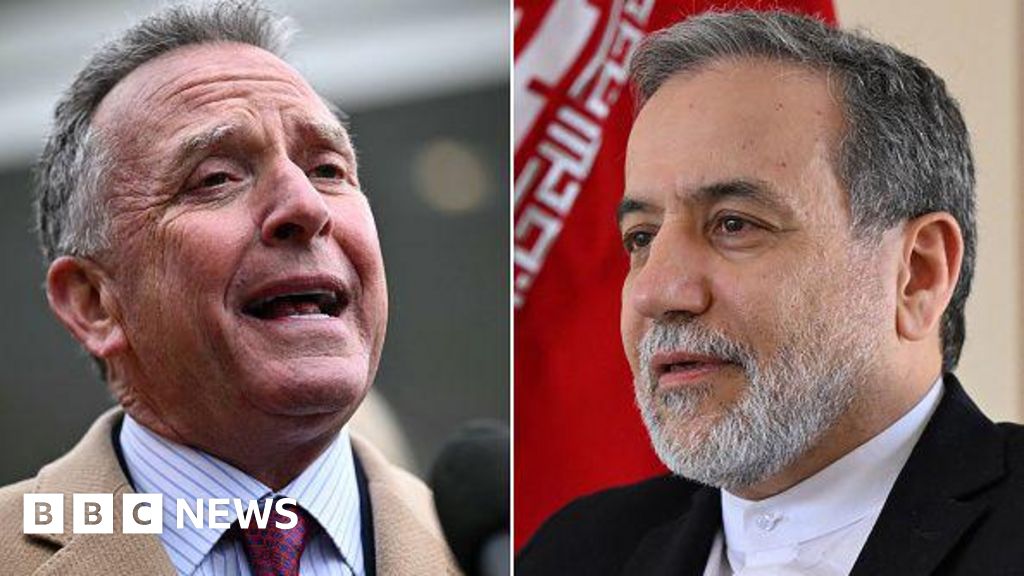
Pakistan has played a crucial role in securing a temporary ceasefire between the United States and Iran, just as negotiations were on the brink of collapse prior to the official announcement. Islamabad's intensive diplomatic efforts resulted in a direct negotiation channel between the two parties, instilling hope for regional stability.
According to informed Pakistani sources, the mediation efforts were nearly derailed following an Iranian attack on a petrochemical facility in Saudi Arabia, which heightened tensions significantly. However, Pakistani officials swiftly moved to relay messages between Tehran and Washington, at a time when U.S. President Donald Trump was threatening to end the deadline given to Iran.
Details of the Event
Sources confirmed that communications included senior officials from all parties involved, including Trump, Vice President J.D. Vance, Iranian Foreign Minister Abbas Araghchi, and Iranian Revolutionary Guard Commander Ahmad Vahidi. The discussions continued throughout the night, contributing to the eventual ceasefire agreement.
The hours of negotiations were intense, with talks nearly collapsing before Iran agreed to a temporary ceasefire without preconditions. The situation was challenging for Tehran following the attack on Saudi Arabia, but they recognized that the specified deadline would not be extended.
Background & Context
These developments come at a highly sensitive time, as tensions between Iran and the United States are escalating. The mutual attacks between both sides, along with Israeli pressures, have complicated the situation further. Pakistan, which maintains close ties with both parties, has worked diligently to prevent an escalation of the conflict.
While Pakistan expressed its discontent over the Iranian attack on Saudi Arabia, it also sought guarantees from Washington to restrain Israeli military operations against Iran. This delicate balance between supporting its Saudi ally and maintaining communication channels with Iran was pivotal in the mediation efforts.
Impact & Consequences
Securing a ceasefire is a significant step towards de-escalating tensions in the region and may pave the way for broader negotiations covering sensitive issues such as the Iranian nuclear program. However, substantial challenges remain, as consensus among the involved parties is required.
The upcoming negotiations will address complex issues, including recognition of Iran's sovereignty over the Strait of Hormuz and its right to develop a nuclear program for peaceful purposes. These demands may face rejection from the U.S. side, complicating the situation further.
Regional Significance
The impact of these developments on the Arab region will be substantial, as any escalation in the conflict between Iran and the United States could destabilize Gulf countries. Relations between Arab states and Iran will remain under scrutiny, especially given the existence of defense agreements between some of these countries and the United States.
In conclusion, Pakistan's success in mediation could enhance its role as a regional intermediary, potentially opening new avenues for cooperation among major powers in the region. However, the greatest challenge remains how to manage the upcoming negotiations and achieve tangible results.