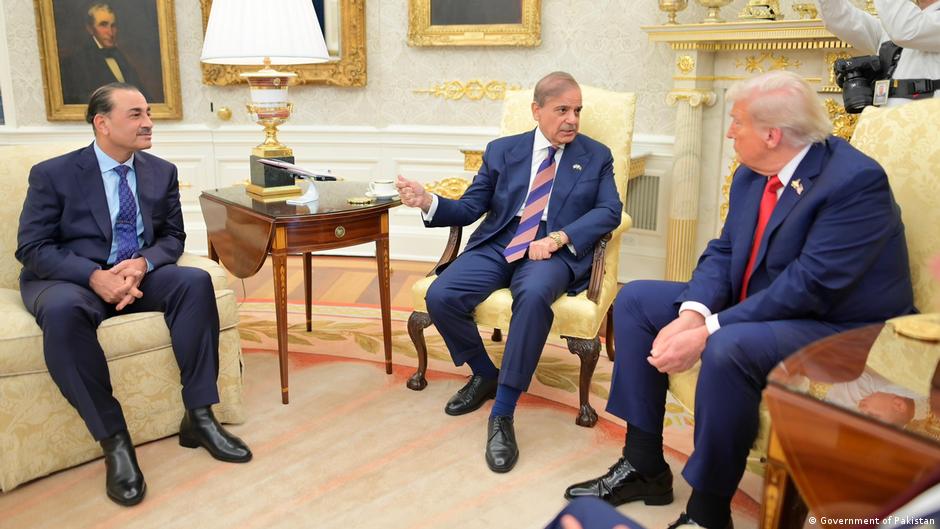
Pakistan is striving to enhance its role as a diplomatic mediator in potential talks between the United States and Iran, as regional pressures mount with escalating military tensions. Pakistani Foreign Minister Ishaq Dar announced that Pakistan would be "proud" to host discussions between the two parties in the coming days.
In light of the lack of signs indicating a de-escalation of conflict, Pakistan has held high-level meetings with both Turkey, Egypt, and Saudi Arabia to lay the groundwork for potential talks. Dar emphasized that Pakistan enjoys the trust of both Iran and the United States to facilitate these discussions.
Details of the Event
These efforts come at a time when the region is witnessing heightened tensions, as Mohammad Baqer Qalibaf, the Iranian Parliament Speaker, indicated that plans for talks in Pakistan are viewed as a "cover" for an invasion, coinciding with the arrival of 2,500 U.S. Marines in the Middle East. Qalibaf threatened to ignite the region if these tensions continue.
In a related context, Iran rejected a U.S. peace plan consisting of 15 points, deeming it "exaggerated and unrealistic," as it included demands to cease uranium enrichment and dismantle nuclear facilities.
Background & Context
Historically, Pakistan has played a significant role in regional politics, maintaining strategic relations with both the United States and Iran. However, the current situation requires Pakistan to balance its diplomacy carefully, especially given its defense agreement with Saudi Arabia and a 900-kilometer border with Iran.
Pakistan is considered one of the few countries capable of engaging with both sides without being seen as a party to the conflict. Analysts suggest that Pakistan is seeking to manage the conflict in a way that prevents any internal repercussions that could affect its stability.
Impact & Consequences
Regional conflicts pose a direct threat to Pakistan's economic stability, as the country relies on energy flows from the Gulf and remittances from expatriates. A failure in the talks could exacerbate economic conditions, with the potential for disruptions in energy supplies through the Strait of Hormuz, increasing inflationary pressures.
Moreover, the continuation of conflict may heighten tensions along Pakistan's western border with Iran, potentially leading to an escalation of terrorist activities and an increase in refugee flows.
Regional Significance
Developments in Pakistan are particularly significant for Arab countries, as any escalation in the conflict between the United States and Iran could impact regional security. Should Gulf states become involved in the conflict, Pakistan may face pressure to provide at least symbolic support, complicating its diplomatic stance.
In conclusion, the question remains regarding Pakistan's ability to effectively manage these tensions, as any escalation could have dire consequences for the country's stability and security.